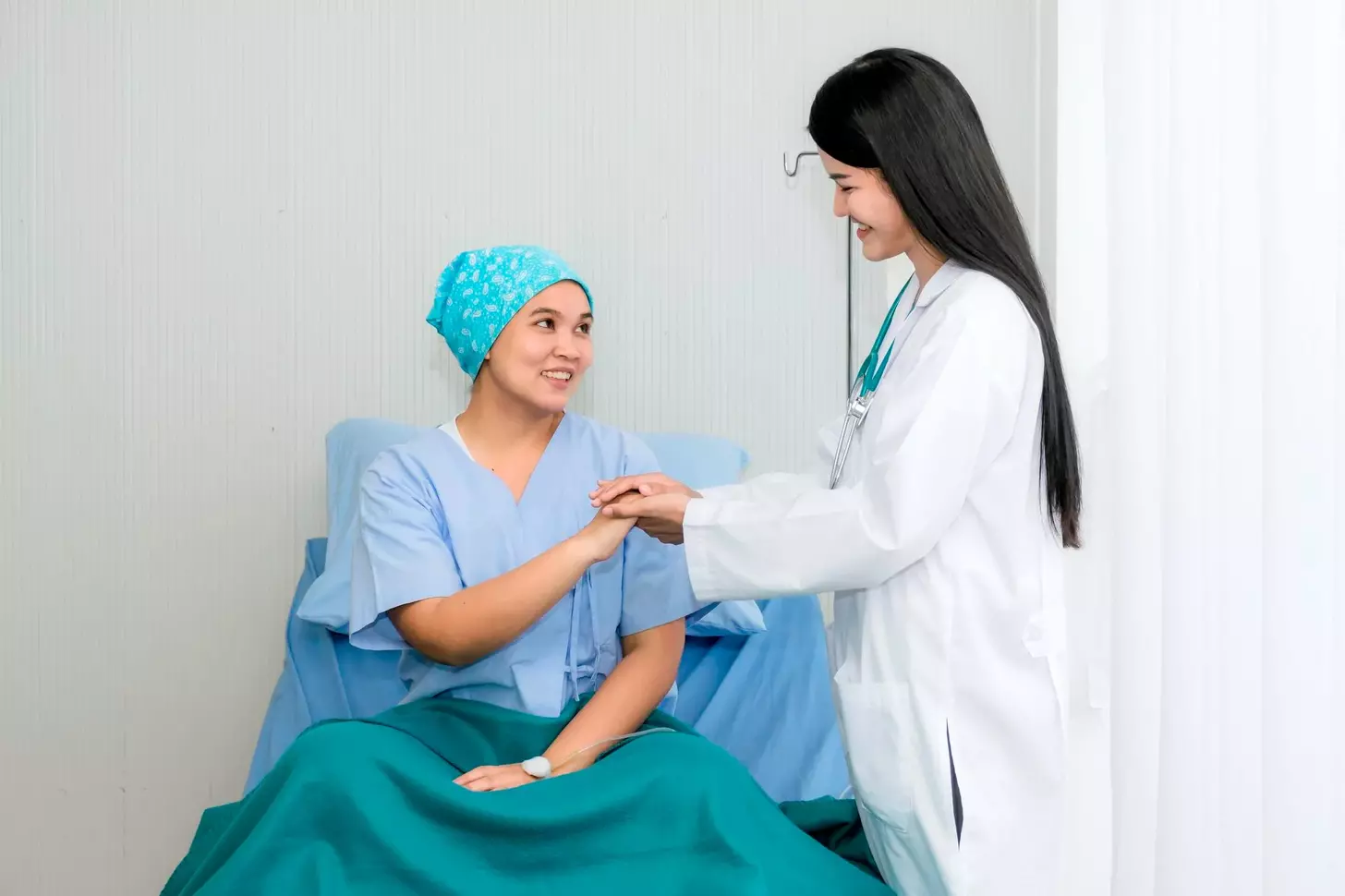
At Liv Hospital, we know how breast cancer affects people and families around the world. Every year, over 2.3 million new cases are diagnosed. It’s important to keep up with the newest breast cancer treatments.
We aim to give you all the care you need and help you understand your breast cancer treatment options. Our team is here to offer top-notch healthcare. We use the latest cures and treatments for breast cancer to ensure you get the best care.
Key Takeaways
- Knowing the different breast cancer treatment options is key to good care.
- Liv Hospital provides world-class, patient-focused care for breast cancer.
- New discoveries in breast cancer treatments bring hope to patients.
- Our care includes many therapies and cutting-edge solutions.
- Our team is committed to personalized care with the newest breakthroughs in breast cancer treatment.
Breast Cancer: Understanding the Global Health Challenge

Breast cancer affects millions worldwide, with over 2.3 million new cases each year. It’s important to understand the disease, its causes, and the need for early detection.
Global Statistics and Prevalence
Breast cancer is the most common cancer in women, making up about 25% of all cases. The World Health Organization (WHO) says the disease is more common in developed countries.
| Region | Incidence Rate (per 100,000 women) | Mortality Rate (per 100,000 women) |
|---|---|---|
| North America | 92.9 | 17.1 |
| Europe | 83.4 | 15.4 |
| Australia/New Zealand | 94.2 | 16.3 |
| Asia | 34.8 | 6.4 |
| Africa | 27.4 | 8.3 |
These numbers show the big problem of breast cancer worldwide. We need to find ways to help.
Risk Factors and Early Detection
Knowing the risk factors is key to finding and preventing breast cancer. Factors include genetic mutations, family history, age, and lifestyle choices like drinking alcohol and being overweight. Early detection through screenings can greatly improve survival chances.
Early detection methods include mammograms, clinical exams, and self-exams. Mammograms are the best way to find tumors early, before they can be felt.
Types and Stages of Breast Cancer
Breast cancer is not just one disease but many types with different characteristics. The main types are ductal carcinoma in situ (DCIS), invasive ductal carcinoma (IDC), and invasive lobular carcinoma (ILC).
- Ductal Carcinoma In Situ (DCIS): Non-invasive cancer where cells are contained in the milk ducts.
- Invasive Ductal Carcinoma (IDC): Cancer that spreads beyond the ducts into surrounding breast tissue.
- Invasive Lobular Carcinoma (ILC): Cancer that begins in the lobules and invades surrounding tissues.
Staging breast cancer is based on tumor size, lymph node involvement, and if it has spread. Knowing the stage is important for understanding the disease and choosing the right treatment.
Surgical Approaches as Primary Treatment
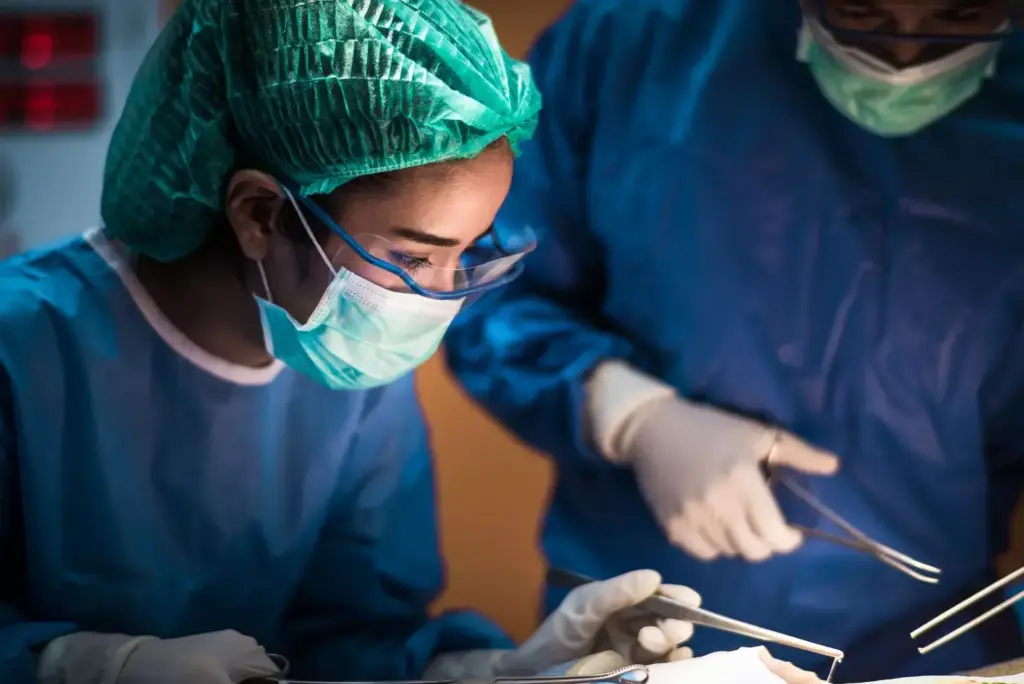
Surgery is a key part of treating breast cancer. It offers different methods for each patient. We’ll look at these options and their benefits.
Lumpectomy: Breast-Conserving Surgery
A lumpectomy removes the tumor and some tissue around it. It keeps most of the breast. Then, radiation therapy kills any cancer left.
Benefits of Lumpectomy: It keeps more of the breast, which can look better after.
Mastectomy: Types and Considerations
A mastectomy removes one or both breasts. There are simple, modified radical, and radical mastectomies. The choice depends on the cancer and what the patient wants.
Lymph Node Surgery
This surgery checks if cancer has spread to lymph nodes under the arm. There are two types: sentinel lymph node biopsy and axillary lymph node dissection. The first is less invasive and checks the first node cancer might reach.
Breast Reconstruction Options
Women who have a mastectomy can get their breasts back. This can happen right after surgery or later. There are two ways: using an implant or the patient’s own tissue.
| Surgical Approach | Description | Considerations |
|---|---|---|
| Lumpectomy | Removal of tumor and surrounding tissue | Often followed by radiation therapy; preserves most of the breast |
| Mastectomy | Removal of one or both breasts | Various types; decision based on cancer extent and patient preference |
| Lymph Node Surgery | Check for cancer spread to lymph nodes | Can be sentinel lymph node biopsy or axillary lymph node dissection |
| Breast Reconstruction | Restores breast appearance after mastectomy | Can be implant-based or autologous tissue reconstruction |
Radiation Therapy: Targeting Cancer Cells
For many breast cancer patients, radiation therapy is a key treatment. It helps get rid of cancer cells left after surgery. We use high-energy rays to target and destroy these cells, lowering the chance of cancer coming back and improving survival rates.
There are several types of radiation therapy for breast cancer, each with its own benefits. Knowing about these options helps patients make informed decisions about their care.
External Beam Radiation
External beam radiation therapy (EBRT) is the most common type for breast cancer. It uses high-energy X-rays from outside the body to target the tumor. EBRT is given daily, Monday through Friday, for several weeks.
- Targets the tumor site with precision
- Can be used after lumpectomy or mastectomy
- May be combined with other treatments like chemotherapy
Brachytherapy (Internal Radiation)
Brachytherapy places a small radioactive source directly into or near the tumor. This method delivers higher doses of radiation to the tumor while protecting healthy tissues.
Brachytherapy can be permanent or temporary, depending on the situation:
- Permanent brachytherapy, where the radioactive material is left in place
- Temporary brachytherapy, where the radioactive material is removed after a few days
Intraoperative Radiation Therapy
Intraoperative radiation therapy (IORT) delivers a single dose of radiation directly to the tumor during surgery. This method can reduce the need for more radiation treatments after surgery.
IORT is very useful for patients having a lumpectomy. It targets the area most likely to have cancer cells left behind.
Managing Radiation Side Effects
Radiation therapy can cause side effects like fatigue, skin irritation, and swelling. We help patients manage these side effects with:
- Personalized care plans
- Topical treatments for skin irritation
- Guidance on managing fatigue
Understanding the different types of radiation therapy and their benefits helps patients navigate their treatment options. Our team is dedicated to providing complete care and support during the radiation therapy process.
How Is Breast Cancer Treated with Chemotherapy
We use chemotherapy to fight breast cancer, helping patients get better. It’s a key part of treatment, used in different ways. It can be given before or after surgery, based on the cancer’s stage and type.
Neoadjuvant vs. Adjuvant Chemotherapy
Chemotherapy is given in two ways: neoadjuvant and adjuvant. Neoadjuvant chemotherapy is given before surgery to make the tumor smaller. This makes it easier to remove. It also helps us see how well the cancer responds to treatment.
Adjuvant chemotherapy is given after surgery to kill any cancer cells left behind. This lowers the chance of the cancer coming back.
Choosing between neoadjuvant and adjuvant chemotherapy depends on several things. These include the cancer’s stage, size, and if it has spread to lymph nodes. Our healthcare team will decide the best option for each patient.
Common Chemotherapy Drugs and Regimens
Many chemotherapy drugs are used to treat breast cancer, often together. Some common ones are:
- Anthracyclines (e.g., doxorubicin)
- Taxanes (e.g., paclitaxel, docetaxel)
- Cyclophosphamide
- Fluorouracil
These drugs are given in cycles to let the body recover. The exact regimen depends on the patient’s needs and cancer type.
Dose-Dense Chemotherapy
Dose-dense chemotherapy means giving higher doses more often. It can be more effective for aggressive cancers. But, it also raises the risk of side effects, so careful planning is needed.
Side Effect Management Strategies
Managing side effects is key when getting chemotherapy. Common ones include:
- Nausea and vomiting
- Hair loss
- Fatigue
- Increased risk of infection
We use many strategies to reduce these side effects. These include anti-nausea meds, scalp cooling, and growth factors. Patients are also encouraged to eat well and exercise to help manage side effects.
Understanding chemotherapy and working with our healthcare team helps patients make informed choices. This way, they can get the support they need during treatment.
Hormone Therapy for Hormone-Receptor Positive Cancers
Patients with hormone-receptor positive breast cancer can benefit from hormone therapy. It blocks natural hormones, stopping cancer cells from growing. This targeted treatment is key for these patients.
Selective Estrogen Receptor Modulators (SERMs)
SERMs bind to estrogen receptors on cancer cells, stopping estrogen from helping them grow. Tamoxifen is a well-known SERM used in treating hormone-receptor positive breast cancer.
Benefits of SERMs include:
- Reducing the risk of cancer coming back
- Lowering the risk of cancer in the other breast
- Working for both premenopausal and postmenopausal women
Aromatase Inhibitors
Aromatase inhibitors block the enzyme aromatase, which makes estrogen in postmenopausal women. This reduces estrogen levels, slowing or stopping cancer growth.
| Aromatase Inhibitor | Common Side Effects |
|---|---|
| Anastrozole | Hot flashes, osteoporosis |
| Letrozole | Hot flashes, fatigue |
| Exemestane | Hot flashes, sweating |
Estrogen Receptor Downregulators
Estrogen receptor downregulators, like Fulvestrant, break down estrogen receptors. This reduces the number of receptors for estrogen, slowing cancer growth.
Ovarian Suppression Techniques
Ovarian suppression stops the ovaries from making estrogen. This is often used in premenopausal women with hormone-receptor positive breast cancer. Medications like Goserelin or surgery can achieve this.
Knowing about different hormone therapies helps patients and doctors choose the best treatment plan.
Targeted Therapies: Precision Medicine Approaches
Targeted therapies are changing how we treat breast cancer. They focus on specific molecules that help cancer grow. Unlike old treatments, they try to protect healthy cells.
HER2-Targeted Medications
HER2-targeted drugs help those with HER2-positive breast cancer. They target the HER2 protein, which some cancer cells have too much of. This helps slow or stop cancer growth.
CDK4/6 Inhibitors
CDK4/6 inhibitors block enzymes that help cancer cells grow. They work best for hormone receptor-positive, HER2-negative breast cancer. This makes them a promising treatment.
PI3K Inhibitors
PI3K inhibitors target the PI3K pathway, which is key for cell growth. Mutations in this pathway can cause cancer. These inhibitors can control cancer cell growth in patients with certain mutations.
PARP Inhibitors for BRCA Mutations
PARP inhibitors help patients with BRCA1 or BRCA2 mutations. They block the PARP enzyme, which cancer cells use to fix DNA damage. This can kill cancer cells, mainly in tumors with bad DNA repair.
| Targeted Therapy | Mechanism of Action | Use in Breast Cancer |
|---|---|---|
| HER2-Targeted Medications | Target HER2 protein | HER2-positive breast cancer |
| CDK4/6 Inhibitors | Block CDK4 and CDK6 enzymes | Hormone receptor-positive, HER2-negative breast cancer |
| PI3K Inhibitors | Inhibit PI3K pathway | Advanced breast cancer with PIK3CA mutation |
| PARP Inhibitors | Block PARP enzyme | BRCA1 or BRCA2 mutation-positive breast cancer |
Targeted therapies are a big step forward in breast cancer treatment. They offer new hope for patients with certain genetic profiles or tumor types. Knowing about these therapies helps patients and doctors make better treatment choices.
Immunotherapy: Activating the Body’s Defenses
Immunotherapy is a new way to fight breast cancer. It uses the body’s immune system to find and kill cancer cells. This method is showing great promise in clinical trials and is becoming a key part of breast cancer treatment.
Immune Checkpoint Inhibitors
Immune checkpoint inhibitors are drugs that help the immune system fight cancer better. They block proteins that slow down the immune response. This makes it easier for the body to attack cancer cells, which is very helpful in treating triple-negative breast cancer.
Cancer Vaccines
Cancer vaccines are a type of immunotherapy that helps the immune system find and destroy cancer cells. They are different from vaccines that prevent infections. Scientists are working on various cancer vaccines for breast cancer, focusing on proteins that cancer cells have too much of.
Adoptive Cell Therapy
Adoptive cell therapy takes immune cells from the patient, changes them to better fight cancer, and then puts them back in the body. This method is being explored for advanced breast cancer. It offers a personalized treatment that can be adjusted for each patient’s cancer.
Combination Immunotherapy Approaches
Researchers are looking into combining different immunotherapy methods or using them with other treatments like chemotherapy. This way, they hope to make immunotherapy more effective. For example, mixing immune checkpoint inhibitors with cancer vaccines or adoptive cell therapy could lead to better results for breast cancer patients.
As immunotherapy research keeps moving forward, we can expect even more new ways to treat breast cancer. The future of breast cancer treatment is looking more personalized and complex, with immunotherapy playing a big role.
Novel and Emerging Treatment Options
The world of breast cancer treatment is changing fast. New treatments are being developed to target specific parts of breast cancer. This brings hope for better results and fewer side effects.
Photodynamic Therapy
Photodynamic therapy uses a light-sensitive compound and light to kill cancer cells. When light hits the compound, it creates oxygen that kills nearby cancer cells. It’s being looked at for treating early breast cancer or easing symptoms in advanced cases.
Benefits of Photodynamic Therapy:
- Minimally invasive procedure
- Targeted treatment with reduced damage to surrounding healthy tissue
- Potential for combination with other treatments
Cryoablation Techniques
Cryoablation freezes cancer cells to kill them. A thin probe is inserted into the tumor under imaging. The cold destroys the cells, which are then absorbed by the body. It’s being studied for small breast tumors.
Advantages of Cryoablation:
- Less invasive than surgery
- Shorter recovery time
- Potential for use in patients who are not good candidates for surgery
Antibody-Drug Conjugates
Antibody-drug conjugates (ADCs) combine antibodies with chemotherapy drugs. They target specific proteins on cancer cells, delivering the drug directly to the tumor. This has shown promise in treating certain breast cancers, thanks to specific molecular markers.
How ADCs Work:
- The antibody component targets and binds to specific proteins on the surface of cancer cells.
- Upon binding, the ADC is internalized by the cancer cell.
- The drug is released inside the cell, where it exerts its cytotoxic effect, killing the cancer cell.
Light-Activated Drugs and Radiopharmaceuticals
Light-activated drugs and radiopharmaceuticals are new strategies. Light-activated drugs are activated by light to produce a therapeutic effect. Radiopharmaceuticals use radioactive substances for diagnosis or treatment. These are being researched for targeted treatments with fewer side effects.
As research advances, these new treatments offer hope for better breast cancer management. They aim to provide more targeted and effective treatments, leading to better outcomes for patients.
Is There a Cure? Long-Term Outcomes and Remission
Finding a cure for breast cancer is complex. It depends on many factors. Some people might be considered cured after a long time without cancer coming back.
The idea of a cure is linked to the type of breast cancer and its stage. Also, how well the treatment works is important. Let’s look at these factors more closely.
Defining “Cure” in Breast Cancer
It’s hard to define a “cure” for breast cancer because it’s so different. A cure usually means the cancer won’t come back. But, breast cancer can come back years later. So, long-term survival is a better way to measure success.
Key factors in determining long-term survival include:
- The stage of cancer at diagnosis
- The type of breast cancer (e.g., hormone receptor-positive, HER2-positive, or triple-negative)
- The effectiveness of the treatment plan
- Patient’s overall health and lifestyle
Factors Affecting Long-Term Prognosis
Many things can affect how long a breast cancer patient will live. These include:
- Cancer stage: Early-stage cancers usually have better outcomes than late-stage ones.
- Cancer type: Some types, like hormone receptor-positive, have better prognoses than others, like triple-negative breast cancer.
- Genetic factors: Having BRCA1 or BRCA2 mutations can change prognosis and treatment choices.
- Response to treatment: How well the cancer responds to treatment is key to long-term outcome.
Monitoring and Managing Recurrence Risk
Watching for recurrence is important for long-term care. We suggest regular check-ups, including:
- Mammograms and other imaging tests as needed
- Physical examinations
- Discussion of any new symptoms or concerns
Managing recurrence risk might mean more treatments, lifestyle changes, or clinical trials. We help patients create plans that fit their needs.
Quality of Life After Treatment
Many patients worry about their quality of life after treatment. We help by:
- Supporting them in managing treatment side effects
- Guiding them on nutrition and exercise
- Helping them find mental health resources when needed
We aim to improve patients’ quality of life after treatment. This way, they can get back to their normal lives and enjoy good health for a long time.
By understanding what affects long-term outcomes and managing recurrence risk, we can help breast cancer patients achieve the best results.
Conclusion: Advances in Breast Cancer Care and Future Directions
We’ve seen big changes in how we treat breast cancer. These changes have made treatments better and helped more patients. Now, we have new ways to fight the disease.
There are many treatments like radiation, chemotherapy, and hormone therapy. These have been shown to work well against breast cancer. It’s important for patients to know about these options so they can choose the best care for themselves.
Looking ahead, we need to keep finding new ways to fight breast cancer. We’ll focus on making treatments more personal. This means using new technologies and treatments to make care even better.
Finding a cure for breast cancer is a top goal. Researchers are working hard to find new treatments and ways to use them together. We’re dedicated to helping patients and finding new ways to fight this disease.
FAQ
What are the most common treatments for breast cancer?
Common treatments for breast cancer include surgery, radiation, and chemotherapy. Hormone and targeted therapies are also used. We choose the best treatment for each patient based on their cancer type and needs.
Is there a cure for breast cancer?
We say “cure” with caution, but many women can be cured. Early detection and treatment are key. We talk about what affects long-term survival and how to watch for cancer return.
What are the different types of breast cancer treatment?
Treatments vary and include surgery, radiation, and chemotherapy. Hormone and targeted therapies are also options. The right treatment depends on the cancer type, stage, and the patient’s health.
How is breast cancer treated with chemotherapy?
Chemotherapy targets cancer cells in different ways. We use various drugs and regimens. This helps manage side effects and fight cancer.
What is hormone therapy for breast cancer?
Hormone therapy treats cancers that grow in response to hormones. We use drugs to block these hormones. This slows cancer growth.
What are targeted therapies for breast cancer?
Targeted therapies focus on specific cancer molecules. We use drugs like HER2-targeted medications and CDK4/6 inhibitors. These treatments are precise and effective.
What is immunotherapy for breast cancer?
Immunotherapy boosts the body’s cancer-fighting abilities. We use immune checkpoint inhibitors and other approaches. This helps the body fight cancer more effectively.
Are there any new and emerging treatments for breast cancer?
Yes, we’re always looking for new treatments. These include photodynamic therapy and antibody-drug conjugates. They offer hope for better outcomes.
How do I manage side effects during breast cancer treatment?
We help manage side effects with various strategies. This includes dealing with radiation and chemotherapy side effects. We also focus on maintaining quality of life.
What can I expect after breast cancer treatment?
After treatment, we watch for cancer return and manage side effects. We also talk about the importance of follow-up care. This ensures the best possible outcome.
References
- Susan G. Komen®. (n.d.). What’s New in Breast Cancer. Retrieved October 14, 2025, from https://www.komen.org/breast-cancer/whats-new-in-breast-cancer/
- Institute of Cancer Research. (2025). ASCO 2025: New therapy improves survival in advanced breast cancer and delays need for chemotherapy. Retrieved October 14, 2025, from https://www.icr.ac.uk/about-us/icr-news/detail/asco-2025–new-therapy-improves-survival-in-advanced-breast-cancer-and-delays-need-for-chemotherapy
- University of California, Riverside. (2025, February 10). Breast cancer treatment advances with light‑activated “smart bomb”. Retrieved October 14, 2025, from https://news.ucr.edu/articles/2025/02/10/breast-cancer-treatment-advances-light-activated-smart-bomb
- Living Beyond Breast Cancer. (2025). New breast cancer drugs and treatment combinations show promise across subtypes at ASCO 2025. Retrieved October 14, 2025, from https://www.lbbc.org/news/new-breast-cancer-drugs-and-treatment-combinations-show-promise-across-subtypes-asco-2025
- Breast Cancer Research Foundation. (2025). ASCO 2025 Breast Cancer Highlights. Retrieved October 14, 2025, from https://www.bcrf.org/blog/asco-2025-breast-cancer-highlights/