Infectious diseases specialists diagnose and treat infections from bacteria, viruses, fungi, and parasites, focusing on fevers, antibiotics, and vaccines.
Overview and Definition
Infectious Diseases (often abbreviated as ID) and Clinical Microbiology are specialized medical fields dedicated to the diagnosis, treatment, and prevention of illnesses caused by microorganisms. These microorganisms, commonly called germs, include bacteria, viruses, fungi, and parasites. While many microbes live harmlessly on and in our bodies (the microbiome) and can even help with functions like digestion, others are pathogens that can cause disease ranging from mild, symptomatic irritation to life-threatening systemic conditions.
An Infectious Disease Specialist acts as a medical detective. They are consulted when an infection is difficult to diagnose, is accompanied by a high fever of unknown origin, does not respond to standard treatment, or involves a patient with a weakened immune system. Furthermore, this department plays a critical role in public health and hospital safety, managing infection control protocols to prevent the spread of resistant bacteria (superbugs) within healthcare settings.

The World of Pathogens

To understand infectious diseases, one must understand the agents that cause them. They are biologically distinct and require different treatments.
- Bacteria: Single-celled organisms. Most are harmless, but some produce toxins or invade tissues. Examples include Streptococcus (strep throat), E. coli (urinary tract infections), and Mycobacterium tuberculosis (TB). Bacterial infections are treated with antibiotics.
- Viruses: Much smaller than bacteria, viruses are composed of genetic material (DNA or RNA) encased in a protein coat. They act as hijackers, invading healthy cells to replicate. Examples include Influenza (Flu), SARS-CoV-2 (COVID-19), HIV, and Herpes. Antibiotics do not kill viruses.
- Fungi: Plant-like organisms, including yeasts and molds. They can cause skin infections (such as athlete’s foot) or severe systemic infections in immunocompromised people (such as Candida and Aspergillus).
- Parasites: Organisms that live on or inside another organism (the host) and feed off it. This category includes protozoa (Such as Malaria), helminths (worms), and ectoparasites (lice and ticks).

Modes of Transmission

Understanding how these diseases spread is key to prevention.
- Direct Contact: Person-to-person spread through touch, kissing, or sexual intercourse (e.g., Mononucleosis, STIs).
- Droplet and Airborne: Spread through coughing or sneezing (e.g., Flu, Tuberculosis, Measles).
- Vector-Borne: Transmitted by insects like mosquitoes, ticks, or fleas (e.g., Malaria, Lyme disease, Dengue fever).
- Fecal-Oral Route: Ingesting contaminated food or water (e.g., Salmonella, Cholera, Hepatitis A).
- Zoonotic: Transmitted from animals to humans (e.g., Rabies, Avian Flu).
The Scope of Clinical Microbiology
While the ID specialist treats the patient, the Clinical Microbiology Laboratory identifies the enemy. This lab analyzes samples (blood, urine, sputum, tissue) to grow, visualize, and identify the specific organism causing the illness. This partnership ensures that patients receive “targeted therapy,” the exact drug needed to kill the particular bug, rather than “empiric therapy” (guessing).
Symptoms and Causes
The symptoms of an infectious disease result from the battle between the invading pathogen and the host’s immune system. Because infections can attack any organ system, from the brain (meningitis) to the bone (osteomyelitis), the symptoms are incredibly varied. Recognizing the pattern of symptoms, along with the patient’s history (travel, animal contact, recent surgery), is essential for narrowing down the cause.
General Systemic Symptoms
Most infections trigger a generalized immune response, leading to non-specific symptoms:
- Fever: The body’s thermostat rises, creating an environment hostile to germs. Low-grade fevers are common in viral illnesses, while high spiking fevers often suggest bacterial infections.
- Fatigue: Extreme tiredness as the body diverts energy to the immune system.
- Myalgia and Arthralgia: Muscle aches and joint pain (common in the Flu and Dengue).
- Chills and Sweats: Shivering followed by sweating as the fever breaks.
System-Specific Symptoms
- Respiratory Infections:
- Cough (dry or productive with phlegm).
- Shortness of breath (dyspnea).
- Sore throat and runny nose.
- Gastrointestinal Infections:
- Diarrhea (watery or bloody).
- Nausea and vomiting.
- Abdominal cramping.
- Urinary Tract Infections (UTI):
- Dysuria (burning sensation when urinating).
- Frequency and urgency.
- Cloudy or bloody urine.
- Central Nervous System Infections (Meningitis/Encephalitis):
- Severe headache.
- Stiff neck (nuchal rigidity).
- Photophobia (sensitivity to light).
- Confusion or altered mental state.
- Skin and Soft Tissue Infections:
- Redness (erythema), warmth, swelling, and pain.
- Abscess formation (pus-filled pockets).
Causes and Risk Factors
While anyone can catch an infection, certain factors increase susceptibility or the severity of the disease.
- Immunocompromised Status: Patients with weakened immune systems due to chemotherapy, organ transplantation, HIV/AIDS, or long-term steroid use are at risk for “opportunistic infections,” diseases caused by germs that healthy bodies would easily fight off.
- Hospitalization (Nosocomial Infections): Being in a healthcare facility increases the risk of acquiring Hospital-Acquired Infections (HAIs), such as catheter-associated UTIs or surgical site infections. These are often caused by multi-drug resistant bacteria (Superbugs).
- International Travel: Traveling to tropical or developing regions exposes patients to pathogens not found at home, such as Malaria, Yellow Fever, or Typhoid.
- Animal Contact: Close contact with pets, livestock, or wildlife can lead to zoonotic diseases like Cat Scratch Fever, Brucellosis, or Q Fever.
- Environmental Exposure: Walking barefoot in soil (hookworm), swimming in stagnant fresh water (Schistosomiasis), or inhaling dust in certain regions (Valley Fever).
- Lack of Vaccination: Unvaccinated individuals are susceptible to preventable diseases like Measles, Mumps, and Pertussis.
30
Years of
Excellence
Trusted Worldwide
With patients from across the globe, we bring over three decades of medical expertise and hospitality to every individual who walks through our doors.
Book a Free Certified Online
Doctor Consultation
[elementor-template id=”207591″]
Table of Contents
[elementor-template id=”211216″] 
Diagnosis and Staging
Diagnosis in Infectious Diseases is a race against time. Identifying the causative agent promptly is crucial to initiating appropriate treatment and preventing the spread of the disease to others. At Liv Hospital, we utilize a combination of traditional culture methods and rapid molecular diagnostics to provide answers in hours rather than days.
Clinical Assessment: The History
The diagnosis begins with a detailed interview. The “ID History” is specific and includes asking about:
- Travel History: Exact locations, dates, and activities (e.g., “Did you trek in the Amazon?”).
- Exposure: Contact with sick people, animals, or insects.
- Dietary History: Consumption of unpasteurized milk, raw meat, or street food.
Medication History: Recent antibiotic use, which can predispose patients to Clostridioides difficile (C. diff) infection or mask symptoms.
Laboratory Diagnostics
- General Blood Work:
- Complete Blood Count (CBC): High white blood cells (Leukocytosis) usually indicate a bacterial infection; low white blood cells (Leukopenia) or high lymphocytes can indicate a viral infection.
- Inflammatory Markers: CRP (C-Reactive Protein) and ESR (Sedimentation Rate) measure general inflammation.
- Procalcitonin: A specific marker that rises rapidly in severe bacterial infections (sepsis) but stays low in viral infections, helping doctors decide if antibiotics are necessary.
Microbiology: Identifying the Organism
-
- Direct Microscopy (Staining): Samples are stained with dyes (like the Gram Stain) and viewed under a microscope. This gives a quick classification (e.g., “Gram-positive cocci” suggests Staph or Strep) within minutes.
- Cultures: The gold standard. Samples (blood, urine, sputum, wound fluid) are placed on nutrient plates to encourage bacterial or fungal growth. This takes 24 to 72 hours.
- Antimicrobial Susceptibility Testing (Antibiogram): Once the bug grows, the lab tests it against various antibiotics to determine which kill it and which do not. This reveals if the bacteria are Resistant (a superbug) or Sensitive.
Imaging
- Chest X-Ray and CT Scans: Essential for diagnosing pneumonia and tuberculosis, and for detecting deep abdominal or brain abscesses.
- Echocardiogram: Used to check for Endocarditis (infection of the heart valves).
Molecular and Serological Testing
- PCR (Polymerase Chain Reaction): A sophisticated technique that detects the DNA or RNA of the pathogen. It is extremely fast and sensitive. It is used to diagnose viral loads (HIV, Hepatitis C) and COVID-19, and to detect slow-growing bacteria like Tuberculosis.
- Serology: Testing the patient’s blood for antibodies.
- IgM: Indicates a recent or active infection.
- IgG: Indicates past infection or immunity (from vaccination or prior illness).
“Staging” Infection: Sepsis and Progression
Infectious diseases are not staged like cancer, but physicians assess the severity of the systemic response.
- Incubation Period: The time between exposure and the first symptom.
- Acute Phase: The peak of symptoms.
- Sepsis: A life-threatening condition where the body’s response to infection damages its own tissues. It is a medical emergency requiring immediate resuscitation.
- Sepsis: Infection + Organ dysfunction.
- Septic Shock: Sepsis with dangerously low blood pressure that does not respond to fluids, requiring intensive care.
Treatment Details
The golden rule of Infectious Disease treatment is “The Right Drug, at the Right Dose, for the Right Duration.” Treatment is rarely a “one-size-fits-all” approach. It involves antimicrobial therapy, supportive care, and strict prevention strategies to protect the community.

Antimicrobial Therapy
The type of medication prescribed depends entirely on the type of pathogen identified.
- Antibiotics (Antibacterials): Used to treat bacterial infections.
- Broad-Spectrum: Used initially when the bug is unknown (Empiric Therapy).
- Narrow-Spectrum: Switched to once the specific bacteria is identified (Targeted Therapy) to minimize collateral damage to the body’s good bacteria.
- Routes: Oral pills for mild infections; Intravenous (IV) infusion for severe infections (sepsis, meningitis, osteomyelitis).
- Antivirals: Used to treat specific viral infections. They do not kill the virus but stop it from replicating. Examples include Oseltamivir (Tamiflu) for Influenza, Acyclovir for Herpes, and Antiretrovirals (ART) for HIV.
- Antifungals: Used for fungal infections. These can be topical creams (for athlete’s foot) or potent IV medications (for systemic candidiasis).
- Antiparasitics: Specific drugs to kill parasites, such as antimalarials or deworming medications (antihelminthics).
Antibiotic Stewardship
A critical part of modern treatment is knowing when not to use medication. Antibiotic Stewardship programs at Liv Hospital aim to prevent Antimicrobial Resistance (AMR).
- The Problem: Overuse of antibiotics (e.g., taking them for a viral cold) trains bacteria to survive, leading to superbugs like MRSA and VRE that are difficult to treat.
- The Strategy: Ensuring antibiotics are only prescribed when necessary and stopped as soon as possible.
Symptomatic and Supportive Care
Treating the infection takes time; managing the patient’s comfort is immediate.
- Antipyretics: Medications like Acetaminophen or Ibuprofen to lower fever and reduce pain.
- Hydration: IV fluids are crucial for patients who are losing fluids due to fever, vomiting, or diarrhea, and for preventing kidney damage during sepsis.
- Oxygen Support: For respiratory infections like pneumonia.
Preventive Medicine and Vaccination
The best treatment is preventing the infection in the first place.
- Adult Immunization: ID specialists manage vaccination schedules for adults, including Boosters (Tetanus), Pneumococcal vaccines (for pneumonia), Shingles vaccines, and seasonal Flu shots.
- Pre-Exposure Prophylaxis (PrEP): Using medication to prevent infection before exposure (e.g., for HIV prevention).
- Post-Exposure Prophylaxis (PEP): Medication given immediately after potential exposure (e.g., after a needle stick injury or animal bite for Rabies).
Travel Medicine
For patients traveling abroad, we offer pre-travel consultations.
- Risk Assessment: Based on the destination (e.g., Safari in Kenya vs. Business in Tokyo).
- Vaccinations: Yellow Fever, Typhoid, Hepatitis A/B, Meningitis.
- Malaria Prophylaxis: Prescribing medication to prevent malaria in high-risk zones.
The Medical Center

Infectious diseases recognize no borders and can affect anyone. At Liv Hospital, our Infectious Diseases and Clinical Microbiology Department serves as the guardian of safety for the entire hospital while providing expert individual care. We combine rapid diagnostics with strict infection control protocols to ensure the best outcomes for our patients.
Why Choose Liv Hospital for Infectious Diseases?
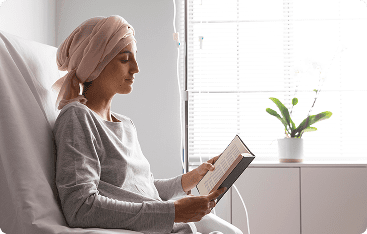
- The “Fever of Unknown Origin” Experts: We specialize in solving complex medical mysteries. Patients with persistent fevers often undergo extensive, fruitless testing elsewhere. Our structured approach and advanced diagnostics enable us to identify obscure causes, including rare infections, hidden abscesses, and non-infectious mimics (such as autoimmune diseases).
- Hospital Infection Control Committee: We take hospital safety seriously. Our ID team leads the infection control committee, rigorously monitoring hygiene protocols, sterilization processes, and air quality to ensure that Liv Hospital remains a safe zone with minimal rates of hospital-acquired infections.
- Hepatitis and HIV Management: We provide discreet, compassionate, and long-term care for chronic viral infections. Our clinics offer the latest antiviral therapies that can cure Hepatitis C and suppress HIV to undetectable levels, allowing patients to live normal, healthy lives.
Advanced Microbiology Laboratory
The speed of diagnosis saves lives. Our in-house laboratory is equipped with:
- Automated Culture Systems: Detect bacterial growth faster than manual methods.
- Multiplex PCR Panels: Can test a single sample for 20+ respiratory or gastrointestinal pathogens simultaneously, providing a diagnosis in hours instead of days.
- Mass Spectrometry (MALDI-TOF): A revolutionary technology that identifies bacteria and fungi within minutes of growth, allowing for immediate adjustment of antibiotics.
Multidisciplinary Collaboration
Infections often occur as complications of other conditions. Our ID specialists work side-by-side with:
- Surgeons: Managing infections in prosthetic joints or surgical wounds.
- Intensive Care Unit (ICU): guiding the antibiotic management of critically ill septic patients.
- Oncologists: Protecting cancer patients with weakened immune systems from life-threatening opportunistic infections.
Diabetic Foot and Wound Care
We specialize in Diabetic Foot Infections. These complex infections require a team approach. Our ID specialists work with vascular surgeons and podiatrists to treat the disease, restore blood flow, and manage the wound, with the primary goal of salvaging the limb and preventing amputation.
At Liv Hospital, we are dedicated to fighting the unseen. Through advanced science, rational medication use, and vigilant prevention, we protect your health from the microscopic world.
Book a Free Certified Online
Doctor Consultation
[elementor-template id=”207591″] 
FREQUENTLY ASKED QUESTIONS
What are the common side effects of chemotherapy?
I am item content. Click edit button to change this text. Lorem ipsum dolor sit amet, consectetur adipiscing elit. Ut elit tellus, luctus nec ullamcorper mattis, pulvinar dapibus leo.
How can I manage my diet during treatment?
I am item content. Click edit button to change this text. Lorem ipsum dolor sit amet, consectetur adipiscing elit. Ut elit tellus, luctus nec ullamcorper mattis, pulvinar dapibus leo.
What is immunotherapy and is it right for me?
I am item content. Click edit button to change this text. Lorem ipsum dolor sit amet, consectetur adipiscing elit. Ut elit tellus, luctus nec ullamcorper mattis, pulvinar dapibus leo.
How long will my recovery take after surgery?
I am item content. Click edit button to change this text. Lorem ipsum dolor sit amet, consectetur adipiscing elit. Ut elit tellus, luctus nec ullamcorper mattis, pulvinar dapibus leo.
What support services are available for patients and families?
I am item content. Click edit button to change this text. Lorem ipsum dolor sit amet, consectetur adipiscing elit. Ut elit tellus, luctus nec ullamcorper mattis, pulvinar dapibus leo.

RELATED VIDEOS
https://www.youtube.com/watch?v=XHOmBV4js_E
Understanding Your Cancer Diagnosis: A Beginner’s Guide
This video breaks down the basics of a cancer diagnosis, explaining common terms, what to expect, and questions to ask your doctor. A gentle introduction for newly diagnosed patients.
https://www.youtube.com/watch?v=XHOmBV4js_E
Navigating Treatment Side Effects: Tips for Comfort
Learn practical strategies and expert advice on managing common side effects like fatigue, nausea, and pain during cancer treatment. Find ways to improve your daily comfort and well-being.
https://www.youtube.com/watch?v=XHOmBV4js_E
Life Beyond Cancer: Thriving in Survivorship
Explore the journey of cancer survivorship, focusing on emotional recovery, long-term health, and embracing a fulfilling life after treatment. Hear inspiring stories and expert insights.
[elementor-template id=”211456″][elementor-template id=”186412″]