
Sports Cardiology: Powerful Insights for Heart Health
Sports cardiology is a medical specialty that studies how exercise and sports impact heart health. It primarily focuses on the prevention, diagnosis, treatment, and management of heart diseases in professional athletes and individuals who engage in regular physical activity. The field also ensures that people at risk for heart disease can safely participate in exercise and sports.
What is Sports Cardiology?
Sports Cardiology is a medical specialty that studies how exercise and sports impact heart health. It primarily focuses on the prevention, diagnosis, treatment, and management of heart diseases in professional athletes and individuals who engage in regular physical activity. The field also ensures that people at risk for heart disease can safely participate in exercise and sports.
Sports Cardiology Overview
Sports cardiology is a specialized branch of cardiology focused on assessing, monitoring, and protecting the cardiovascular health of athletes and physically active individuals. It examines how sports and exercise affect the heart, identifies potential cardiac issues in athletes, and ensures that those with heart conditions can safely participate in physical activities. Sports cardiologists aim to enhance athletic performance, prevent sudden cardiac death, and promote overall heart health in active populations.
Performance Medicine
Performance medicine is a core component of sports cardiology focused on enhancing both the physical and mental capabilities of athletes and other high-performing individuals through a multidisciplinary approach. This field not only addresses the treatment of sports-related injuries but also emphasizes injury prevention, faster recovery, optimal nutrition, improved mental resilience, and the promotion of overall health and well-being.
Key Components of Performance Medicine:
- Injury Prevention and Treatment: Diagnosing, treating, and rehabilitating muscle, bone, joint, and ligament injuries in athletes. This also involves developing tailored exercise programs, conducting technical analyses of movement, and evaluating equipment to minimize the risk of injury.
- Optimizing Physiological Performance: Enhancing cardiovascular endurance, muscle strength, flexibility, and other physical abilities through personalized training programs grounded in exercise physiology principles.
- Nutrition and Diet: Developing personalized nutrition plans to fulfill athletes’ energy requirements, support recovery, and boost performance. These plans incorporate targeted strategies for supplementation, hydration, and effective weight management.
- Mental Performance and Psychology:Developing mental skills such as stress management, motivation, focus, and self-confidence, with support from sports psychologists and counselors.
- Recovery and Regeneration: Facilitating physical recovery using methods such as rest, quality sleep, massage, cryotherapy, and careful monitoring of signs of overtraining and fatigue.
- Technology and Biomechanics: Sensors, wearable devices, and other advanced technologies are used for performance analysis. Motion analysis and biomechanical assessments help refine and improve techniques.
How Does Exercise Affect Heart Health?
Regular exercise offers a range of benefits for heart health. It lowers the risk of cardiovascular disease, increases heart muscle efficiency, and enhances overall heart function.
Key benefits of exercise for heart health include:
- Enhancing Heart Efficiency: Exercise strengthens the heart, allowing it to pump blood more efficiently. This leads to a lower resting heart rate and less fatigue on the heart.
- Reducing Blood Pressure: Regular exercise helps widen blood vessels and enhances their flexibility, which lowers blood pressure and reduces the risk of developing hypertension.
- Improving Cholesterol Levels:Exercise increases levels of “good cholesterol (HDL) while reducing “bad cholesterol (LDL) and triglycerides, helping to lower the risk of artery blockages, heart attacks, and strokes.
- Assisting with Weight Control: Exercise burns calories, helping with weight management”a key factor in lowering the risk of heart disease.
- Regulating Blood Sugar: Exercise improves insulin sensitivity, which helps regulate blood sugar levels and lowers the risk of developing diabetes.
- Reducing Stress: Physical activity releases endorphins, which help reduce stress”a major risk factor for heart disease.

Which Types of Exercise are Beneficial for Heart Health?
The most beneficial exercises for heart health are aerobic activities that increase heart rate and work the cardiovascular system, such as:
- Walking: A gentle activity that is accessible to people of all ages and fitness levels.
- Running: Strengthens your heart and lungs while helping you burn calories.
- Swimming: Works all body muscles without stressing the joints.
- Cycling: Strengthens leg muscles and enhances cardiovascular endurance.
- Aerobic Dance: A fun and effective cardio workout.
- Resistance Exercises: These exercises enhance muscle strength and body composition by using resistance tools such as free weights, machines, resistance bands, or body weight. Movements like squats, deadlifts, bench presses, and push-ups target multiple muscle groups, promoting increased muscle mass, a higher metabolism, and improved bone health.
Professional Athletes and Heart Health
Sports cardiology is dedicated to evaluating, protecting, and optimizing the heart health and performance of athletes and active individuals. It studies how the cardiovascular system adapts to physical activity and works to prevent heart problems during sports participation.
Scope of Sports Cardiology:
- Athlete Health Screenings: Regular screenings are essential for assessing heart health and reducing risks such as sudden cardiac arrest.
- Performance Assessment: Analyzing cardiovascular performance to optimize training programs.
- Diagnosis and Management of Heart Diseases: Identifying and managing heart diseases such as hypertrophic cardiomyopathy and arrhythmias in athletes.
- Exercise Prescription: Designing safe exercise programs for individuals with heart disease or those at increased risk.
- Prevention of Sudden Cardiac Death: Implementing strategies to minimize the risk of sudden cardiac arrest during sports activities.
Tests Used in Sports Cardiology:
The recommended tests for evaluating heart health vary depending on an athlete’s age, type of sport, training intensity, and individual risk factors. Common tests include:
- Electrocardiography (ECG): Records the heart’s electrical activity to identify rhythm disorders, heart muscle damage, or other abnormalities.
- Echocardiography (ECHO): Uses ultrasound imaging to evaluate the heart’s structure and function, including the condition of the valves, the thickness of the heart muscle, and the size of the chambers.
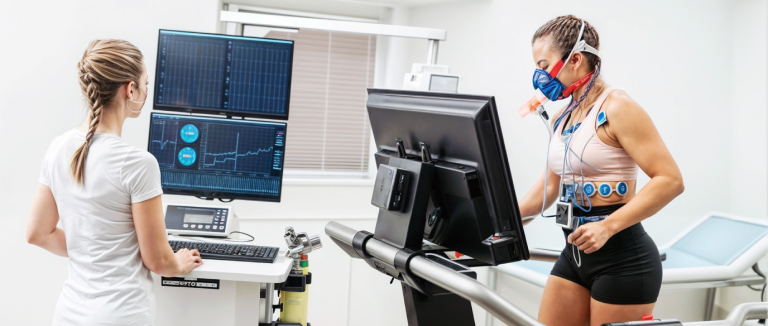
- Exercise Test (Stress Test): Monitors heart rate, blood pressure, and ECG during exercise to identify potential concerns and assess overall fitness levels.
- Blood Tests: Assesses cholesterol, triglycerides, blood sugar, complete blood count, and troponin levels to provide valuable insights into cardiovascular risk.
- Genetic Tests: Identifies genetic predispositions to sudden cardiac death, particularly for individuals with a family history of heart disease.
- Cardiopulmonary Exercise Testing (CPET): Assesses heart, lung, and muscle function during incremental exercise to determine both aerobic and anaerobic capacities, and to develop personalized exercise programs.
How to Protect Athletes’ Heart Health:
- Regular Cardiological Examinations: Regular screenings such as ECG, echocardiography, and stress tests help detect potential heart issues at an early stage.
- Healthy Nutrition: Adopting a diet rich in fruits, vegetables, and whole grains while avoiding saturated and trans fats.
- Adequate Hydration: Maintaining hydration to prevent dehydration, which can increase heart strain.
- Appropriate Training Programs: Ensuring training aligns with age, fitness level, and sports type to avoid overtraining.
- Rest and Recovery: Ensuring sufficient sleep and rest for bodily recovery.
- Avoiding Smoking and Alcohol: Eliminating these habits due to their harmful effects on heart health.
- Avoiding Performance-Enhancing Substances: Avoiding substances that may harm the heart.
- Emergency Action Plans: Having well-developed emergency action plans in place for incidents such as sudden cardiac arrest, with staff members properly trained in CPR.
Can Individuals with Heart Disease Exercise?
Individuals with heart conditions can enhance their heart health by participating in carefully planned and supervised exercise programs. Engaging in mild to moderate-intensity activities can strengthen the heart, improve cardiovascular endurance, and boost overall well-being. However, it is essential to consult a cardiologist before beginning any exercise program and to maintain regular health monitoring to ensure safety.
Safe Exercises for Individuals with Heart Disease:
- Walking: Low-impact and suitable for most people.
- Swimming: Works the whole body while being gentle on the joints.
- Cycling: Builds leg strength and improves cardiovascular endurance.
- Light-Tempo Dance: Fun and effective for cardiovascular fitness.
- Yoga and Tai Chi:Improves flexibility, relieves stress, and promotes heart health.
Precautions During Exercise:
- Doctor Consultation: Always consult a doctor before starting an exercise program.
- Warm-Up and Cool-Down: Spend 5“10 minutes performing warm-up exercises before your workout and cool-down exercises afterward.
- Monitor Heart Rate: Stay within the recommended heart rate zone.
- Recognize Symptoms: Stop exercising if you experience chest pain, shortness of breath, or dizziness.
- Stay Hydrated: Drink enough water during and after exercise.
- Avoid Over-Exercising: Increase the duration and intensity of your exercise gradually to avoid overexertion and reduce the risk of injury.
- Medication Management: Take prescribed heart medications as directed.
- Weather Conditions: Avoid exercising in extremely hot or cold temperatures.
* Liv Hospital Editorial Board has contributed to the publication of this content.* Contents of this page is for informational purposes only. Please consult your doctor for diagnosis and treatment. The content of this page does not include information on medicinal health care at Liv Hospital .
For more information about our academic and training initiatives, visit Liv Hospital Academy
FAQ
When Should You Consult a Doctor While Exercising?
Chest pain or discomfort that occurs during or after exercise.
Shortness of breath beyond normal levels.
Dizziness or lightheadedness.
Irregular heartbeat or palpitations.
Unusual fatigue or weakness.
Swelling in the legs or feet.
Family history of heart disease.
Starting a new exercise program.