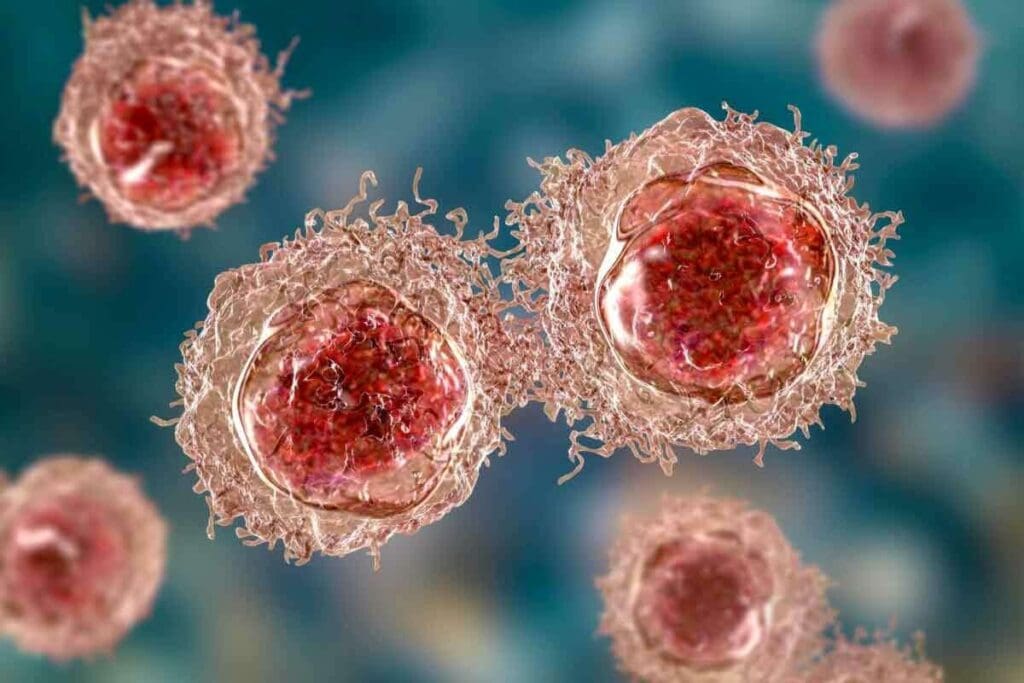
Cancer treatment has made big strides with radiation therapy machines. These machines are key in giving external beam radiation therapy. This method uses high-energy beams to hit tumors, keeping healthy tissues safe.
The introduction of cancer treatment machines has changed cancer care. It gives patients a better shot at beating cancer and living longer. The National Cancer Institute says radiotherapy external beam can cure cancer, stop it from coming back, or slow it down.
Key Takeaways
- External beam radiation therapy is a precise treatment method for targeting tumors.
- Cancer treatment machines have improved patient outcomes and survival rates.
- Radiotherapy external beam treatments offer various benefits for cancer patients.
- Advanced radiation therapy machines minimize damage to healthy tissues.
- Effective cancer care relies on precise and targeted treatments.
The Role of Radiation Therapy Machines in Modern Oncology
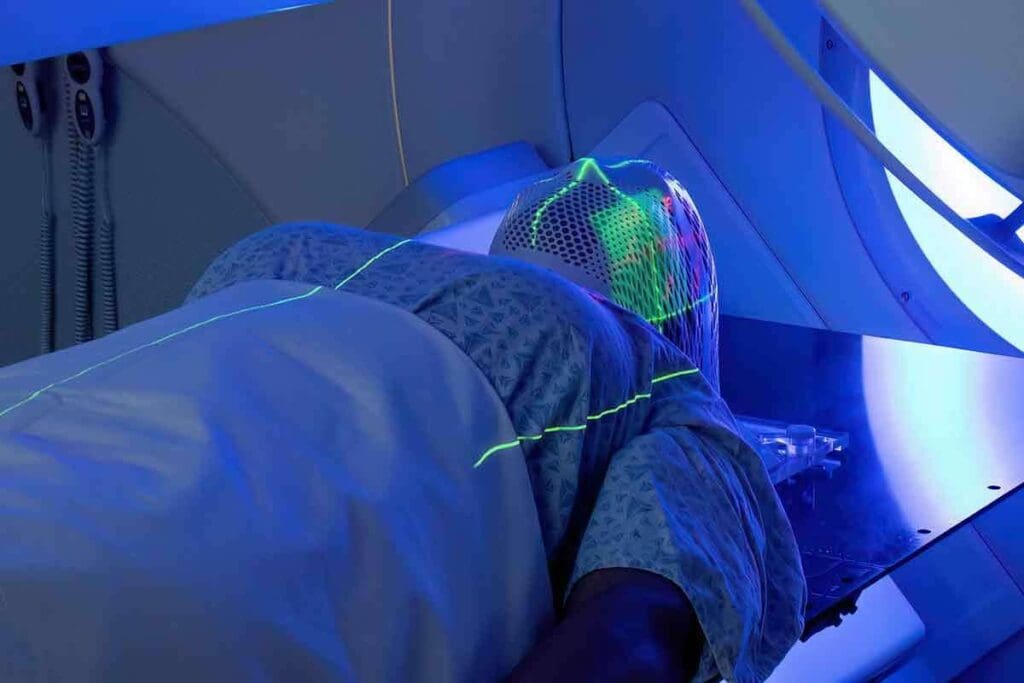
Modern oncology heavily relies on radiation therapy machines for cancer treatment. These machines have evolved, allowing for more precise tumor targeting. The American Cancer Society notes that these advancements have improved treatment outcomes and reduced side effects.
External beam radiation is the most common cancer treatment method. It uses radiation beams from outside the body to destroy cancer cells.
The Evolution of Radiation Technology
The development of radiation oncology machines has been key in improving cancer care. Early machines couldn’t precisely target tumors, often harming healthy tissue. But today’s machines are much more advanced, using technologies like image-guided and intensity-modulated radiation therapy.
These new technologies allow for more focused radiation delivery. This means treatments are more effective and have fewer side effects.
How Cancer Treatment Machines Target Malignant Cells
Cancer treatment machines use beam radiotherapy to target cancer cells. By directing radiation beams from different angles, they can destroy cancer while protecting healthy tissue.
| Treatment Technique | Description | Benefits |
| External Beam Radiation Therapy | Delivers radiation from outside the body | Non-invasive, effective for various cancer types |
| Intensity-Modulated Radiation Therapy (IMRT) | Modulates radiation beam intensity to match tumor shape | High precision, reduces damage to surrounding tissues |
| Image-Guided Radiation Therapy (IGRT) | Uses imaging technologies to guide radiation delivery | Enhances accuracy, allows for adjustments during treatment |
The table above shows different radiation therapy techniques, their benefits, and descriptions. As technology advances, we can expect even better cancer treatments.
Understanding External Beam Radiation Therapy Fundamentals
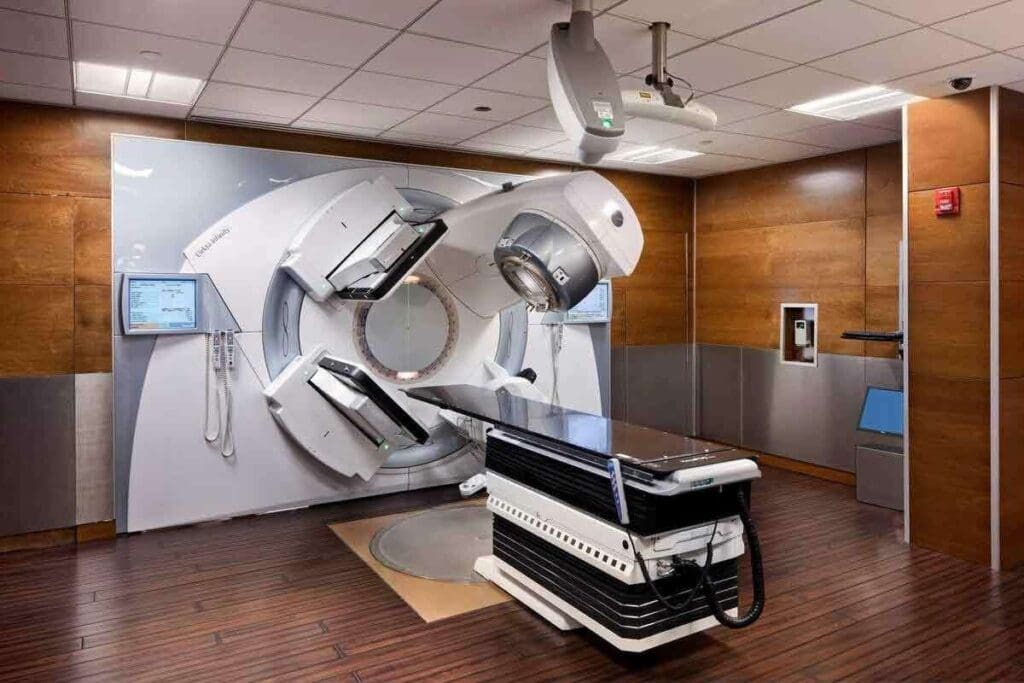
Learning about external beam radiation therapy is key for treating cancer well. This method sends radiation beams from outside the body to the tumor. It’s a non-invasive way to fight cancer.
Defining External Beam Radiotherapy
External beam radiotherapy uses high-energy beams to kill or slow down cancer cells. The National Cancer Institute says, “External beam radiation therapy comes from a machine that aims radiation at the cancer.”
This approach works for many cancers. It depends on the tumor’s size, location, and stage.
How Radiation Beams Target and Destroy Cancer Cells
Radiation beams come from a machine, like a linear accelerator (LINAC). They are aimed right at the tumor. This radiation messes up the DNA of cancer cells, stopping them from growing and killing them.
Key aspects of how radiation beams target cancer cells include:
- Precision targeting to minimize damage to surrounding healthy tissues
- Use of advanced imaging techniques to guide the radiation beams
- Ability to deliver high doses of radiation to the tumor site
The Precision of Modern Radiation Delivery
Modern radiation delivery is much more precise thanks to new technology. Techniques like intensity-modulated radiation therapy (IMRT) and image-guided radiation therapy (IGRT) have made it better.
“The integration of imaging technologies with radiation therapy has revolutionized the field, enabling real-time adjustments during treatment.”
Today’s radiation delivery is very precise. It targets cancer cells well while protecting healthy tissues nearby.
Radiation Therapy Machine Types and Components
Modern radiation therapy uses many machines and parts. Each is made to give precise and effective cancer treatment. This variety lets doctors tailor treatments for different cancers and stages.
Linear Accelerators (LINACs): Core Technology
Linear accelerators are the main machines used in cancer treatment, says the American College of Radiology. LINACs create high-energy beams that hit tumors with great accuracy. This helps avoid harming healthy tissues nearby. These machines can do many types of radiation therapy, like IMRT and VMAT.
Specialized Radiation Oncology Equipment
There’s also special equipment for certain treatments. For example, machines for stereotactic body radiation therapy (SBRT) and proton beam therapy are used for specific cancers. These tools allow for very precise radiation, helping patients with tough tumors.
The technology behind beam radiotherapy and cancer beam therapy keeps getting better. As cancer treatment grows, so does the importance of advanced machines in fighting cancer.
Conventional External Beam Radiation Therapy (EBRT)
Conventional External Beam Radiation Therapy (EBRT) is a key part of cancer treatment. It’s a non-invasive way to target cancer cells. Over the years, this treatment has improved a lot to help with many types of cancer.
Standard Approach to External Radiotherapy
The standard way to do external beam radiation therapy is to send radiation beams from outside the body to the tumor. This method is painless and done on an outpatient basis. The National Cancer Institute says it’s a common treatment for many cancers.
Getting external radiotherapy is usually painless. Patients can go back to their daily activities right after. The treatment is planned to hit the tumor hard but keep healthy tissues safe.
Applications and Effectiveness for Common Cancers
EBRT is used for many cancers, like breast, prostate, lung, and head and neck cancers. It works by giving precise radiation doses to the tumor. This helps shrink the tumor and ease symptoms.
EBRT is used in many ways and has shown to be effective in studies. It can be used alone or with other treatments like surgery and chemotherapy. This helps get the best results.
Knowing how EBRT works in cancer treatment helps patients and doctors make better choices. This ensures the best treatment plan for each person.
Three-Dimensional Conformal Radiation Therapy (3D-CRT)
3D-CRT uses advanced imaging to shape radiation beams to fit tumor shapes. This method has greatly improved radiation therapy for many cancers.
Shaping Radiation Beams to Match Tumor Contours
3D-CRT creates a detailed 3D picture of tumors with advanced imaging. This lets doctors shape beams to fit the tumor closely. This way, more radiation goes to the tumor and less to healthy tissues.
Key aspects of 3D-CRT include:
- Advanced imaging for precise tumor definition
- Customized shaping of radiation beams
- Reduced radiation exposure to healthy tissues
The American Cancer Society says 3D-CRT shapes beams to fit tumors. This improves treatment results.
Benefits Over Conventional Radiation Treatment
3D-CRT has many advantages over old radiation therapy. It targets tumors more precisely, reducing side effects and improving results.
“The introduction of 3D-CRT has been a significant advancement in radiation oncology, allowing for more precise targeting of tumors and better sparing of normal tissues.” –
Radiation Oncology Expert
Here’s a comparison of 3D-CRT with old radiation therapy:
| Feature | 3D-CRT | Conventional Radiation Therapy |
| Tumor Targeting | Precise 3D targeting | Less precise, often larger treatment fields |
| Radiation Exposure to Healthy Tissues | Minimized | Higher |
| Treatment Outcomes | Improved due to higher tumor dose | Variable, often less effective |
The table shows 3D-CRT is a better treatment than old radiation therapy.
Advances in radiotherapy, like 3D-CRT, have helped more people survive cancer. This shows how important ongoing research in radiation oncology is.
Intensity-Modulated Radiation Therapy (IMRT)
Intensity-Modulated Radiation Therapy (IMRT) is a big step forward in treating cancer. It uses precise radiation beams to target tumors. This method shapes the radiation to fit the tumor’s exact shape.
Precision Beam Modulation for Complex Tumors
Precision is key in IMRT. It lets doctors give more radiation to tumors and less to healthy areas. This is great for tumors near important parts or with tricky shapes.
- Targets tumors with high precision
- Reduces radiation exposure to healthy tissues
- Effective for complex or irregularly shaped tumors
Clinical Applications and Outcomes
IMRT is used for many cancers, like prostate, head and neck, and breast. It helps in giving precise doses of radiation. This has made treatments better and side effects less. For more info, check out RadiologyInfo.org.
Studies show IMRT’s benefits. They include:
- Improved local control rates for certain tumor types
- Reduced toxicity due to lower doses to normal tissues
- Enhanced patient quality of life during and after treatment
Image-Guided Radiation Therapy (IGRT)
Image-Guided Radiation Therapy (IGRT) is a big step forward in fighting cancer. It makes cancer treatment more precise. IGRT uses real-time images to guide the radiation, hitting the tumor right on target.
Real-Time Imaging for Precise Delivery
IGRT combines imaging like X-ray, CT, or ultrasound with radiation therapy. This lets doctors see the tumor and tissues in real-time. They can adjust the treatment as needed, making it more accurate and safer for healthy tissues.
The benefits of IGRT include:
- Improved Accuracy: Real-time images help target tumors accurately, even if they move or are close to important areas.
- Reduced Side Effects: IGRT reduces harm to healthy tissues, lowering the chance of side effects and complications.
- Enhanced Treatment Outcomes: The precision of IGRT can lead to better results, as tumors are hit more effectively.
Integration of Imaging and Treatment Technologies
IGRT combines imaging and treatment tech thanks to hardware and software progress. Modern machines have advanced imaging systems. They can show detailed images of tumors and tissues in real-time.
This mix lets radiation oncologists:
- Check the tumor’s position right before and during treatment.
- Adjust the treatment plan as needed for accurate radiation delivery.
- Watch how the tumor reacts to treatment, allowing for changes in the plan.
IGRT brings together real-time imaging and advanced radiation tech. It’s a powerful tool against cancer, improving outcomes and reducing side effects for patients.
Stereotactic Body Radiation Therapy (SBRT)
SBRT is a big step forward in radiation therapy. It gives high doses of treatment with great accuracy. This method has changed how we treat many cancers, making it better for those who can’t have surgery or have cancer at an early stage.
Studies show over 60 percent of patients with localized disease get better with external-beam radiation therapy. This includes SBRT. The National Cancer Institute says SBRT is a way to give high doses of radiation to tumors with great precision.
Delivering High-Dose Radiation with Precision
SBRT’s main strength is its ability to give high doses of radiation to tumors. It does this while keeping healthy tissues safe. This is thanks to advanced imaging and technology.
“SBRT has emerged as a valuable treatment option for patients with early-stage lung cancer, providing high local control rates with minimal toxicity.”
Applications in Early-Stage and Inoperable Cancers
SBRT is great for patients with early-stage cancers or those who can’t have surgery. It’s also used for tumors in hard-to-reach places where surgery is too risky.
| Cancer Type | SBRT Benefits | Clinical Outcomes |
| Early-stage lung cancer | Non-invasive, precise radiation delivery | High local control rates, minimal toxicity |
| Inoperable liver cancer | Effective for tumors near critical structures | Improved survival rates, reduced side effects |
| Prostate cancer | High-dose radiation with minimal damage to surrounding tissues | High biochemical control rates, low toxicity |
Key Advantages of SBRT include being non-invasive, precise, and having fewer side effects than traditional treatments or surgery.
As radiation therapy gets better, SBRT is a big step forward. It offers hope to patients with tough diagnoses.
Proton Beam Therapy: Advanced Particle Radiation
Radiation therapy has made big strides with proton beam therapy. It uses protons to kill cancer cells. This method is known for its precision in hitting tumors without harming nearby healthy tissues.
How Proton Beams Differ from Photon Radiation
Proton beam therapy is different from traditional photon radiation. Proton beams have a special feature called the Bragg peak. This lets them focus most of their energy on the tumor, protecting other tissues. Photon radiation, on the other hand, keeps going and can damage nearby important areas.
This precision is a big plus for tumors close to vital organs. For example, brain tumors or spine cancers. Proton therapy can give a higher dose right to the tumor, leading to better results and fewer side effects.
Ideal Cancer Types for Proton Treatment
Proton beam therapy is great for many cancers, but some types benefit more. Pediatric cancers are a big win because it lowers the risk of secondary cancers and long-term side effects. It’s also good for brain, spine, and some eye cancers.
Researchers are looking into using it for prostate, lung, and liver cancers too. They’re working to find out where proton therapy works best.
Volumetric Modulated Arc Therapy (VMAT)
VMAT is a new way to treat cancer with radiation. It uses a moving arc to send precise doses of radiation. This method makes radiation therapy more effective and efficient.
Continuous Radiation Delivery Through Arc Rotation
VMAT sends radiation in a circle around the patient. This is different from old methods that just shoot beams. It targets tumors better and cuts down treatment time.
Key benefits of VMAT’s continuous delivery include:
- Enhanced precision in targeting tumors
- Reduced risk of radiation exposure to surrounding healthy tissues
- Shorter treatment sessions compared to conventional radiation therapy
Speed and Efficiency Advantages
VMAT is fast because it moves while it treats. This means treatments are quicker and more patients can be seen.
| Therapy Type | Treatment Time | Dose Precision |
| VMAT | Shorter | High |
| Conventional RT | Longer | Variable |
| IMRT | Variable | High |
The table shows VMAT is fast and precise. It’s a great choice for many cancer treatments.
VMAT is part of external beam radiation therapy. It’s known for its moving arc. This makes it fast and efficient for treating cancer.
The Patient Experience with External Beam Radiotherapy
Going through external beam radiotherapy is a journey with several steps. From getting ready to recovering, knowing what to expect is key. Patients may face different effects, and understanding these can help manage their expectations and improve their outcomes.
What to Expect During Treatment Sessions
External beam radiotherapy sessions are usually painless and last between 15 to 30 minutes. During this time, the patient lies on a table, and a machine sends beams of radiation to the targeted area. The team uses advanced imaging to make sure the treatment is accurate.
Preparation is key for effective treatment. Patients are told to follow specific instructions about what to wear, how to position themselves, and any preparations needed. The radiation oncology team will give detailed guidance based on the individual’s treatment plan.
Managing Side Effects and Recovery
Even though external beam radiotherapy is precise, it can cause side effects. These include fatigue, skin reactions, and changes in bowel or bladder habits, depending on the area treated.
It’s important to manage these side effects to recover well. The American Cancer Society suggests eating healthy, staying hydrated, and getting plenty of rest. The healthcare team may also suggest specific treatments to help with side effects, like creams for skin reactions or medications for bowel changes.
| Side Effect | Management Strategy |
| Fatigue | Rest, balanced diet, gentle exercise |
| Skin Reactions | Topical creams, avoid harsh soaps |
| Bowel Changes | Medications, dietary adjustments |
Recovery from external beam radiotherapy varies. Some people may feel better right away, while others may take time. It’s important to follow up with the radiation oncology team to check on recovery and address any concerns.
It’s reassuring to know that new advancements in external beam radiotherapy have made treatments more tolerable and effective.
Conclusion: Advancing Cancer Care Through Radiation Technology
A radiation therapy machine is key in modern cancer care. It plays a big role in treating many types of cancer. The National Cancer Institute says new tech is making treatments better.
New tech in radiation therapy has made treatments more precise and effective. This has led to better patient outcomes and survival rates. It gives new hope to those fighting cancer.
As radiation tech keeps getting better, it will make cancer care even more effective. Healthcare pros will be able to give more targeted treatments. This progress is vital in the fight against cancer, helping patients live better lives.
FAQ
What is external beam radiation therapy?
External beam radiation therapy is a cancer treatment. It uses high-energy beams from outside the body to kill cancer cells.
How do radiation therapy machines work?
Machines like linear accelerators make high-energy beams. These beams target and destroy cancer cells or slow their growth.
What are the different types of external beam radiation therapy?
There are several types. These include conventional, 3D-CRT, IMRT, IGRT, SBRT, proton beam therapy, and VMAT.
What is the difference between photon and proton radiation?
Photon radiation is traditional. Proton beam therapy uses protons for more precise targeting and less damage to healthy tissues.
How is radiation therapy delivered?
It’s delivered by a machine like a linear accelerator. Treatments are given in sessions, with the dose and number based on the cancer type and stage.
What are the benefits of image-guided radiation therapy (IGRT)?
IGRT uses real-time imaging for precise radiation delivery. This reduces damage to healthy tissues and targets tumors more accurately.
What is stereotactic body radiation therapy (SBRT)?
SBRT delivers high doses to small, well-defined tumors in a few fractions. It’s used for early-stage or inoperable cancers.
How does volumetric modulated arc therapy (VMAT) work?
VMAT delivers radiation continuously as the machine rotates around the patient. This makes treatment faster and more efficient.
What can I expect during radiation therapy treatment sessions?
You’ll lie on a table while the machine delivers radiation. The treatment is painless but may cause fatigue or skin reactions.
How are side effects managed during radiation therapy?
Side effects are managed with medication and lifestyle changes. Your healthcare team will help minimize and manage any side effects.
References
- RadiologyInfo.org. (2023). External Beam Radiation Therapy. Radiological Society of North America. https://www.radiologyinfo.org/en/info/externalbeamtreatment
- McDonald, M.W., Qazi, S., & Feng, F.Y. (2019). Advances in External Beam Radiation Therapy Techniques for Cancer Treatment. Seminars in Radiation Oncology, 29(3), 218-225. https://www.ncbi.nlm.nih.gov/pmc/articles/PMC6520873/