Physical Therapy and Rehabilitation: Patient Guide to Care, Recovery, and Results
Physical therapy and rehabilitation help you reduce pain, restore mobility, and regain confidence in everyday movement. If you’re searching for “physical therapy and rehabilitation,” you probably want a clear, practical roadmap: what happens at the first visit, which treatments are used, and how long recovery may take. This guide explains the process step by step so you know what to expect and how to get the best results.
Rehabilitation is the overall recovery journey, while physical therapy is the hands on care you receive as part of that journey. This includes tailored exercises, manual therapy, balance training, and education to help you move better. When these elements are combined in a patient centered plan with clear goals, progress becomes visible and motivating.
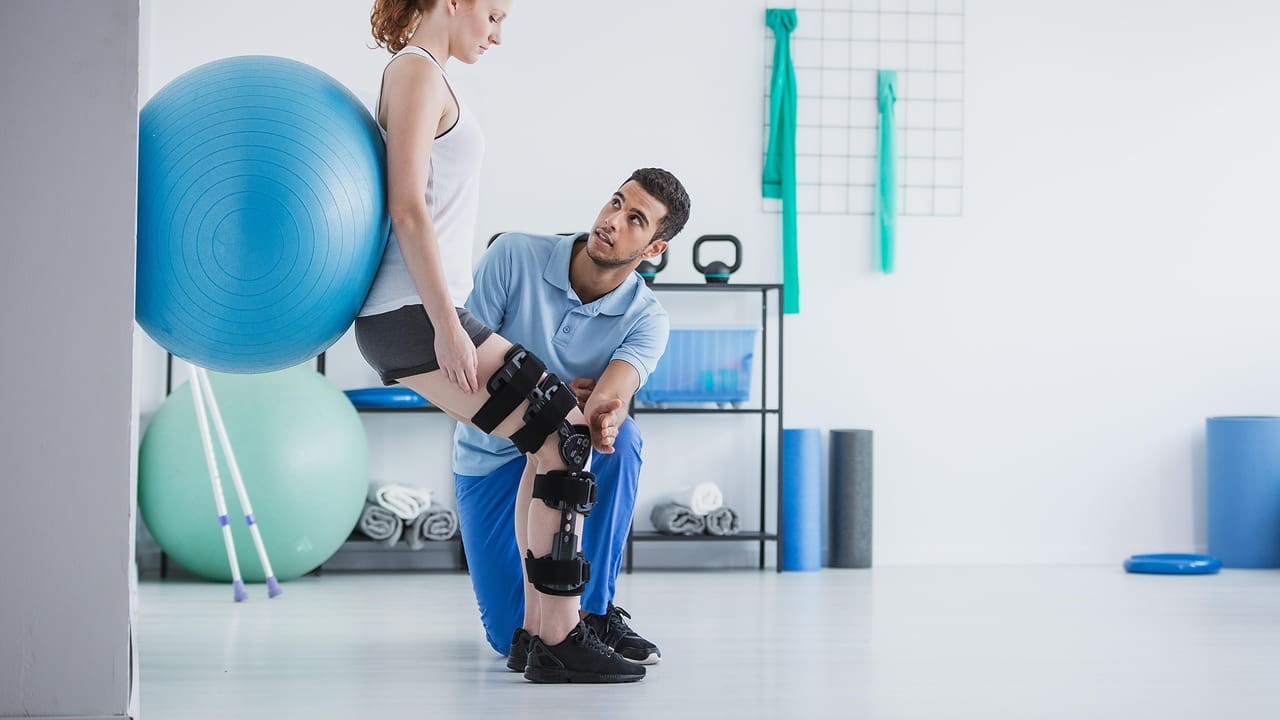
Physical Medicine and Rehabilitation vs Physical Therapy: What Patients Should Know
Patients often ask about the difference between “physical medicine and rehabilitation ” physical therapy.” Physical therapy (PT) provides the treatments, such as exercise prescription, mobility work, balance and gait training, and education. Physical medicine and rehabilitation (PM&R) is a medical specialty that diagnoses functional issues and coordinates comprehensive rehab. For patients, this means collaborative care, with practical PT sessions as part of a broader rehabilitation plan when needed. The shared goal is your comfort, function, and safe return to daily activities.
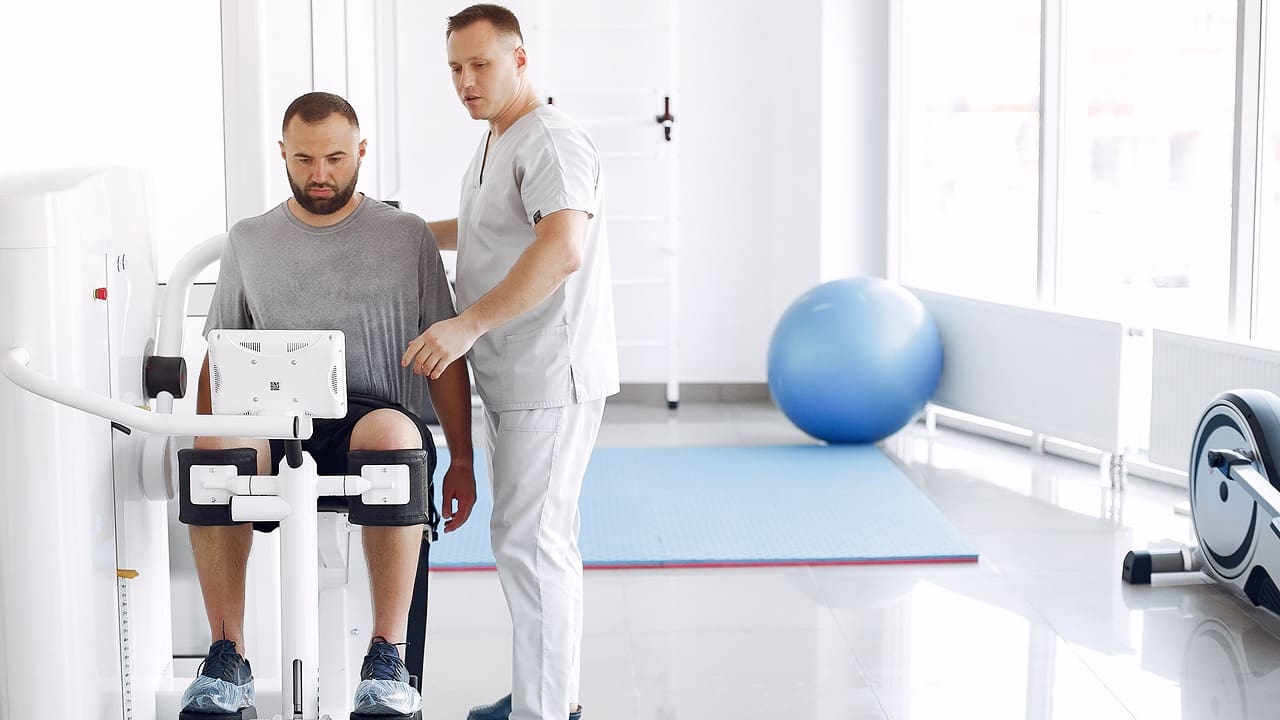
What to Expect at Your First Physical Therapy and Rehabilitation Visit
Your first visit sets the direction. You’ll talk about your symptoms and goals, have a movement assessment, and receive a personalized plan that feels achievable.
• Goal setting: Short term goals (pain reduction, easier movement) and longer term targets (return to walking, work tasks, hobbies, or sport).
• Personalized dosing: Exercises matched to your current tolerance, with clear guidance on sets, reps, and frequency.
• Immediate relief strategies: Gentle manual therapy, mobility drills, and activation work to improve comfort right away.
• Home plan: A short, realistic exercise list designed to fit your schedule and reinforce clinic gains.
You should leave knowing what to do, how often, what to expect, and how your progress will be measured.
Physical Therapy and Stroke Rehabilitation: What to Expect and How It Helps
“Physical therapy and stroke rehabilitation” focuses on restoring safe movement, balance, and independence. The plan moves from basic skills to practical daily tasks.
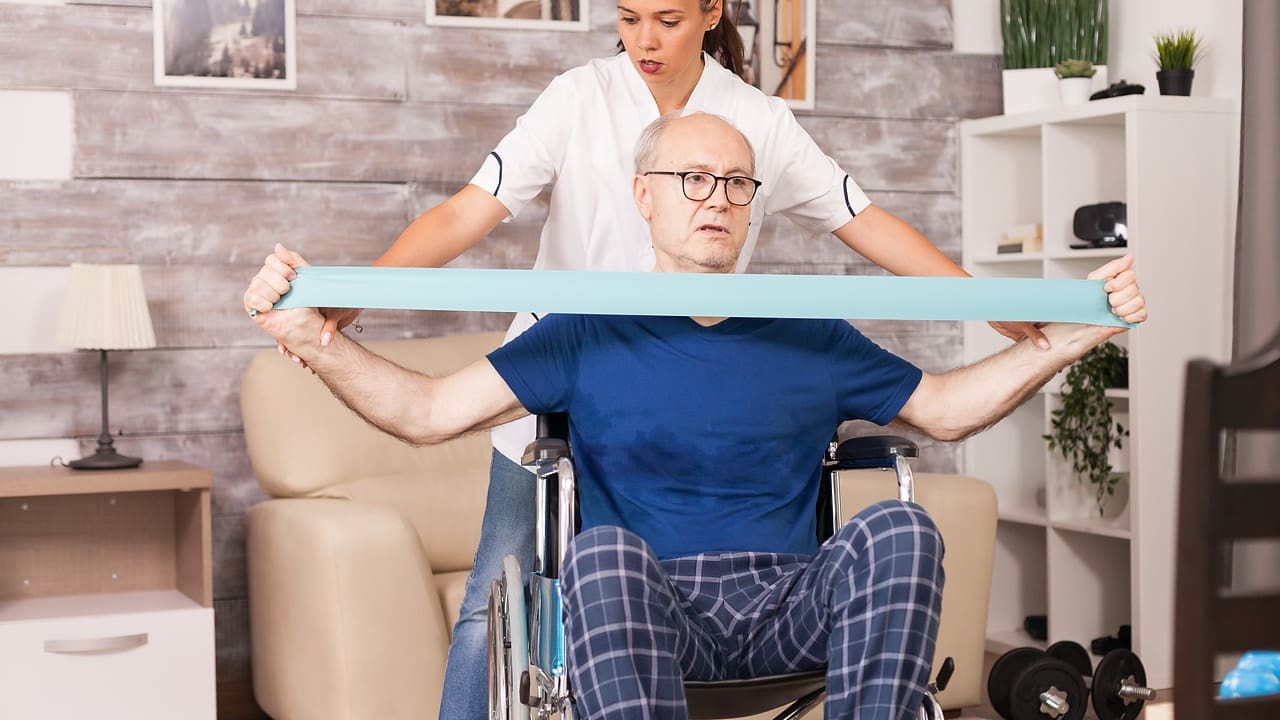
• Safety first: Transfer training, bed mobility, and initial standing balance to reduce fall risk.
• Strength and coordination: Targeted activation for weaker limbs and repetitive, task specific practice to build neural pathways.
• Balance training: Static and dynamic drills, weight shifting, and reactive exercises to handle real life perturbations.
• Gait retraining: Step length, cadence, and symmetry work, with or without assistive devices.
• Home integration: Strategies for stairs, uneven surfaces, and daily routines.
Recovery is different for everyone, but regular, guided practice with clear milestones helps patients regain confidence and function.
Physical Therapy and Hand Rehabilitation: Relief, Strength, and Function
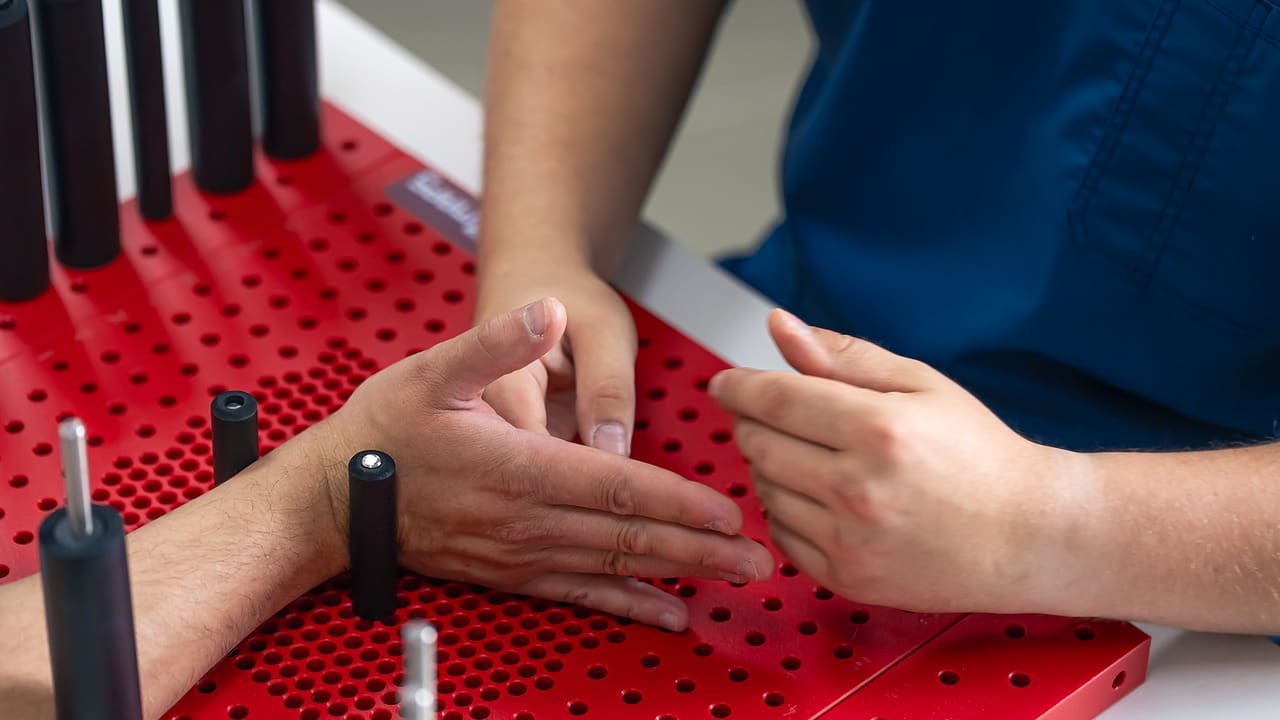
“Physical therapy and hand rehabilitation” helps with wrist and hand pain, stiffness, and weakness that can make everyday tasks like opening jars or typing difficult.
• Pain and swelling control: Edema management, gentle mobilization, and activity pacing.
• Range of motion: Structured stretching and joint glides for the wrist, fingers, and forearm.
• Strength and dexterity: Progressive resistance, grip and pinch training, and fine motor coordination.
• Scar and soft tissue care: Techniques to improve tissue glide and comfort.
• Functional practice: Task based training tailored to your routines, tools, and devices.
With a clear home plan and some ergonomic changes, most patients see steady improvements in comfort and function.
Vestibular Rehabilitation and Balance Retraining Physical Therapy: Dizziness and Stability Solutions
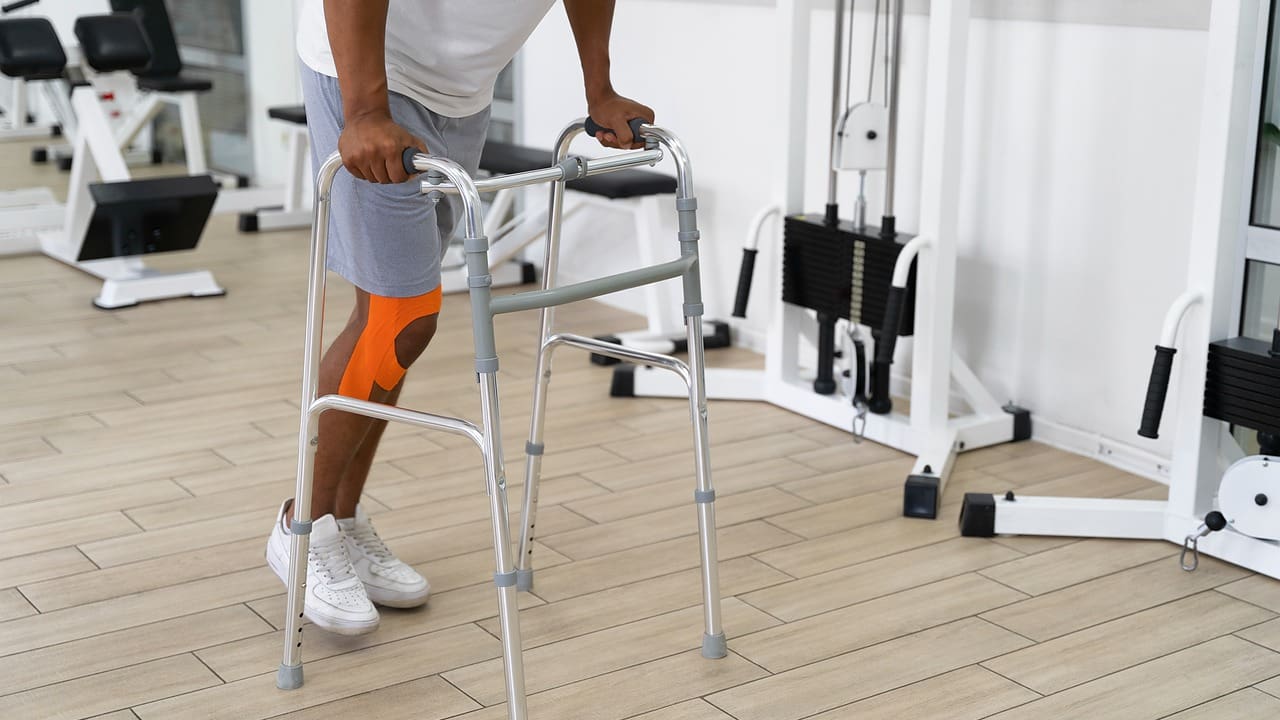
Vestibular rehabilitation focuses on the connection between your eyes, ears, and balance.
• Assessment: Gaze stability tests, positional checks, and balance evaluations guide a personalized plan.
• Gaze stability work: Head eye coordination drills reduce visual blurring with movement.
• Habituation: Gradual exposure to symptom provoking positions or motions decreases sensitivity.
• Balance and gait drills: Static stance, tandem walking, and dynamic tasks rebuild confidence and control.
• Positional maneuvers: When indicated, specific techniques address positional vertigo patterns.
The program moves forward at a pace that manages your symptoms and steadily restores your stability.
Physical Therapy and Sports Rehabilitation: Safe Return to Activity
Physical therapy and sports rehabilitation help you return to your activities safely by focusing on the unique demands of your sport or daily routine.
* Movement screening helps find any limits in mobility, strength weaknesses, or ways your body might be compensating.
* Strength and power are built by gradually increasing exercises for important areas like your hips, core, knees, and shoulders, while making sure both sides of your body stay balanced.
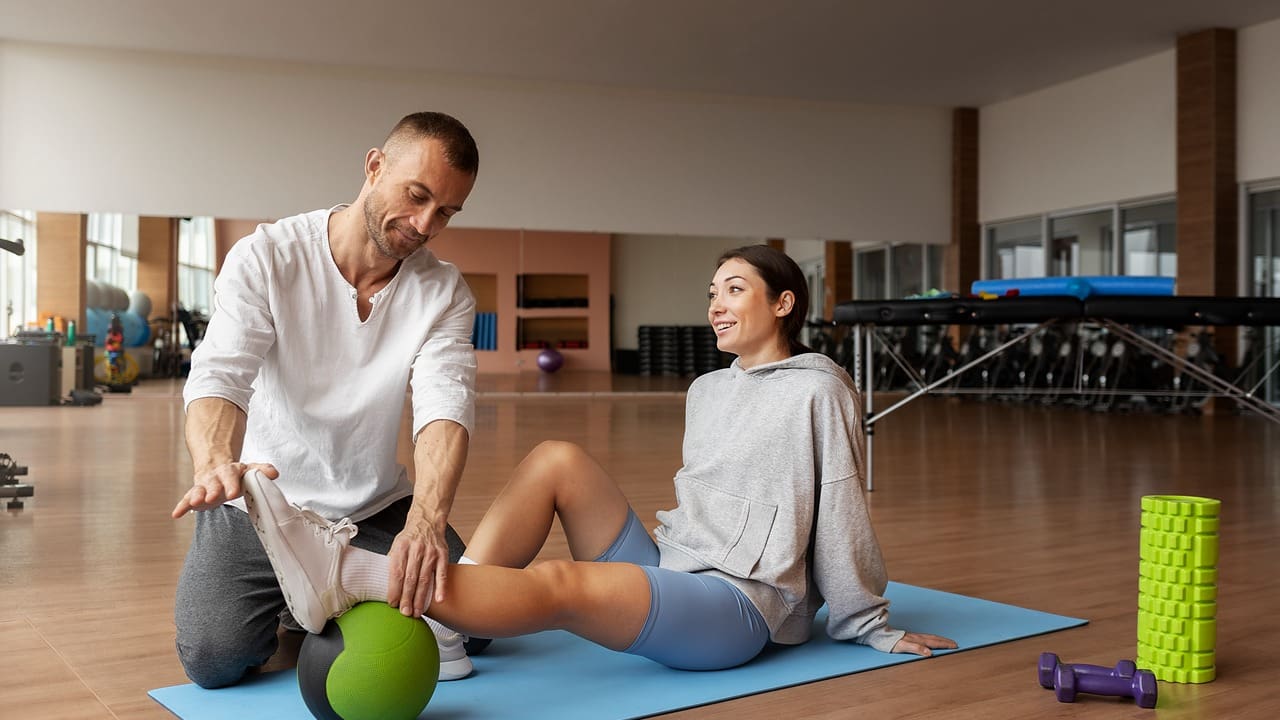
* Mobility and tissue health are improved with specific stretching and soft tissue techniques where your body needs them most.
* Plyometric and agility exercises are added back in when it’s safe, helping you regain quick movements, changes in direction, and control when stopping.
* To decide when you’re ready to move forward, we use clear goals like strength comparisons, jump tests, and checks of your balance and movement quality.
By learning how to recover, manage your activity, and use good technique, you can keep your progress for the long term.
Physical Therapy and Rehabilitation Services: What’s Included and When You Need Them
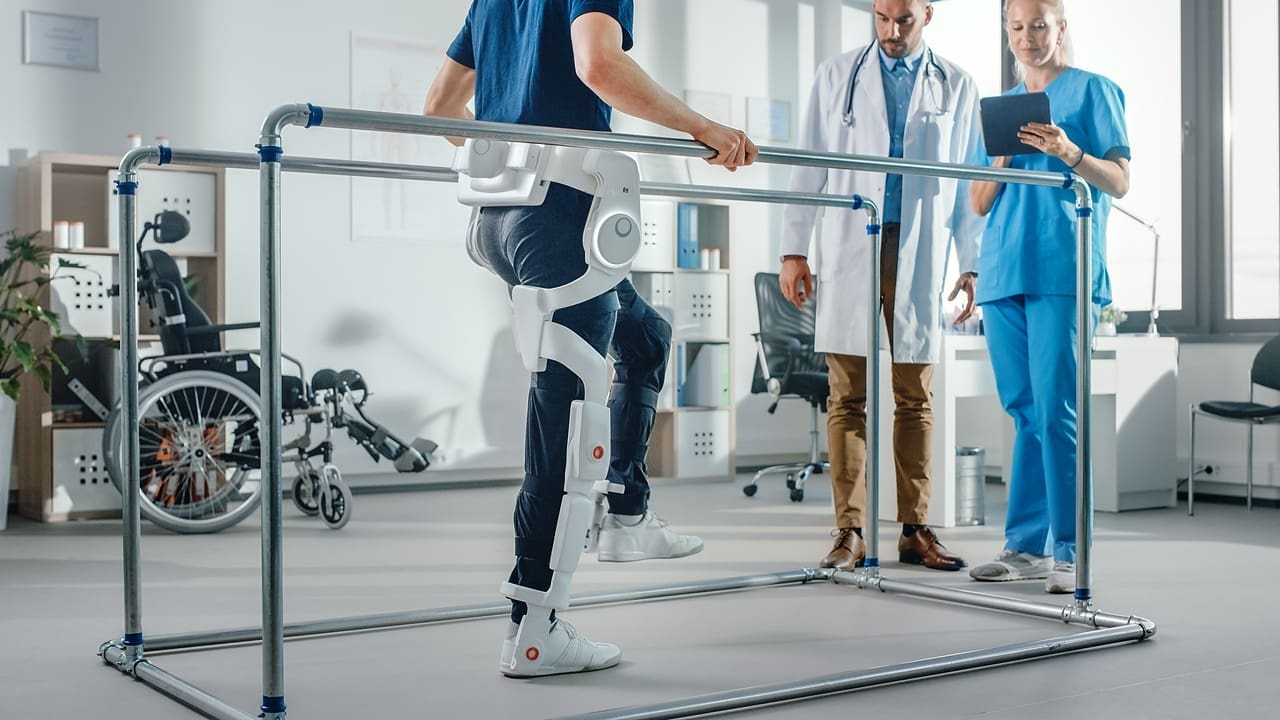
When you look into “physical therapy and rehabilitation services,” it’s helpful to know what a comprehensive plan includes.
- Evaluation and goal setting: History, movement testing, and a shared plan.
- Treatment sessions: Therapeutic exercise, manual therapy, neuromuscular re education, and functional training.
- Pain management: Activity pacing, graded exposure, ergonomic adjustments, and self care strategies.
- Home exercises: Short, repeatable routines that fit your day and compound gains.
- Re-assessment checkpoints: Periodic reviews to upgrade the plan and celebrate milestones.
You’ll understand why each part is included and how it helps you reach your goals.
Pain, Mobility, and Strength: The Three Pillars of Physical Therapy and Rehabilitation
A balanced plan addresses all three:
- Pain: Managed with smart pacing, manual techniques, and targeted exercise.
- Mobility: Improved through joint and soft tissue work plus active mobility drills.
- Strength: Built progressively so tissues tolerate daily and athletic demands.
Steady, consistent progress works better than occasional intense efforts.
Balance and Fall Prevention in Rehabilitation
You can improve your balance at any age, and doing so can greatly reduce your risk of falling.
- Foundations: Static stance, foot/ankle activation, and controlled weight shifts.
- Dynamic challenges: Step ups, lateral movements, obstacle navigation, and dual task drills.
- Real life practice: Simulating turns, carrying items, and uneven terrain.
Safe, gradual progress helps you build stability and confidence.
Shoulder, Knee, and Back Care: Common Rehabilitation Pathways
These regions often need focused strategies:
- Shoulder: Posture, scapular control, rotator cuff strength, and gradual overhead tolerance.
- Knee: Hip and quadriceps strength, balance, gait mechanics, and controlled impact.
- Back: Mobility for hips and mid back, core endurance, load management, and functional movement patterns.
Each approach puts comfort first, then focuses on mobility and strength for lasting results.
Physical Therapy and Rehabilitation Home Exercise Programs: Small Steps, Big Impact
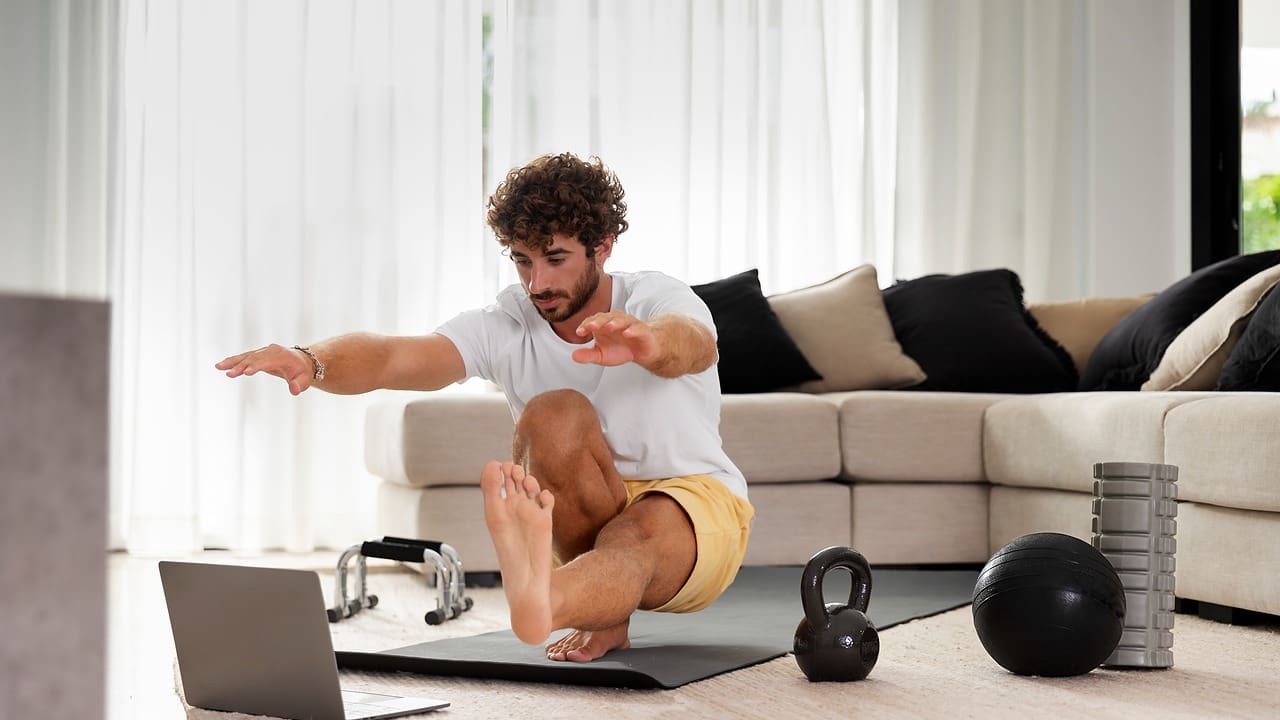
Short, regular home routines help you make progress between visits.
- Keep it manageable: 10-15 minutes on most days.
- Habit stacking: Pair your exercises with daily routines, like after coffee, during your lunch break, or before bed.
- Track response: Note what eases pain or improves movement; use this to refine the plan.
Patients who follow simple home programs usually improve faster.
Recovery Timelines and Expectations
How long recovery takes depends on your condition and how consistent you are:
- Acute strains and sprains: Often show meaningful gains within weeks with guided loading.
- Persistent pain: Steady, graded exposure builds capacity and reduces flare ups.
- Post surgical pathways: Phase based plans with milestones for motion, strength, and function.
Good communication and flexible planning help keep your progress on track.
How Physical Therapy and Rehabilitation Prevent Future Injury
Rehabilitation helps you build long term resilience. Movement literacy: Safer ways to lift, carry, sit, stand, and train.
• Capacity building: Strength and endurance to match your activities.
• Early signals: Recognize tightness, fatigue, or technique drift and adjust before pain spikes.
Healthy habits help you stay active and avoid setbacks.
Making the Most of Every Session
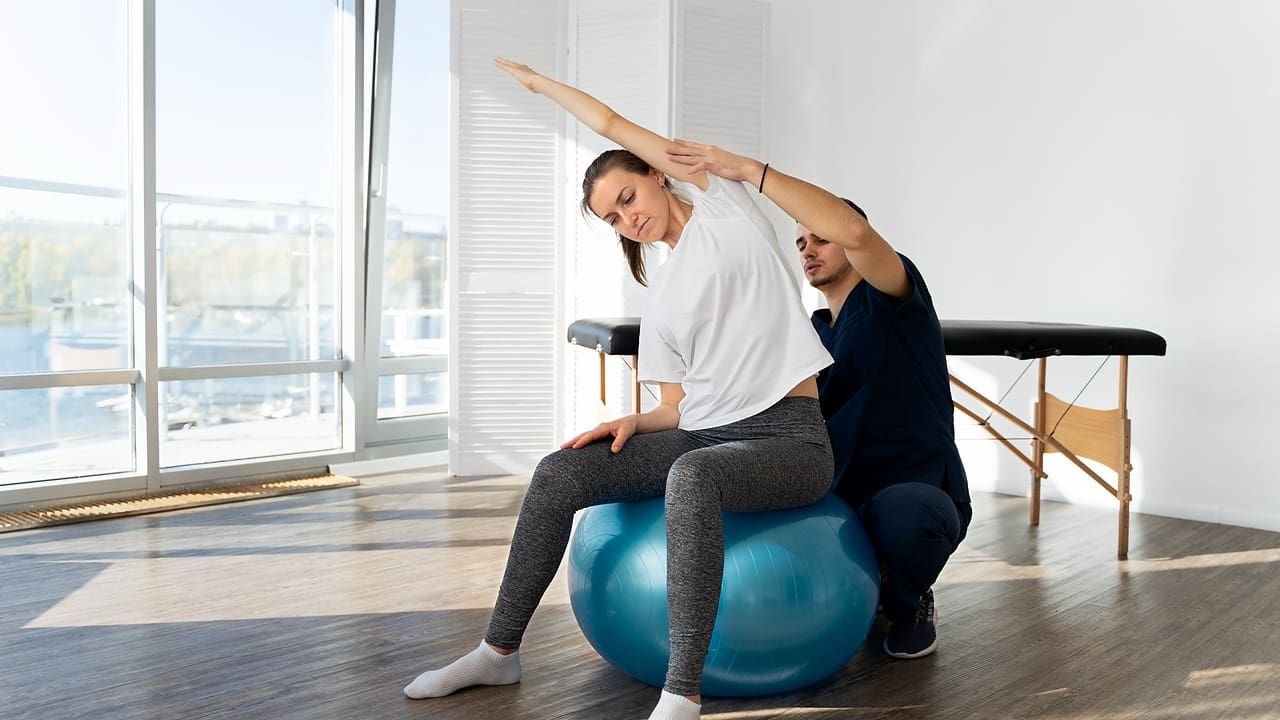
Make the most of each visit with a few simple habits:
• Arrive ready to move and share updates about symptoms and activities.
• Focus on quality reps and clear cues.
• Leave each session with one or two clear priorities for home practice. Focusing on a few things is better than having a long list.
Focused sessions and regular home practice lead to lasting results.
Your Path Forward: Confident, Capable, and In Control
Physical therapy and rehabilitation give you the tools to reduce pain, restore mobility, and build reliable strength. With a personalized plan, supportive guidance, and steady practice, you can return to the activities that matter most, feeling comfortable and confident.
Liv Hospital Physical Therapy and Rehabilitation Clinic
Orthopedic rehabilitation;
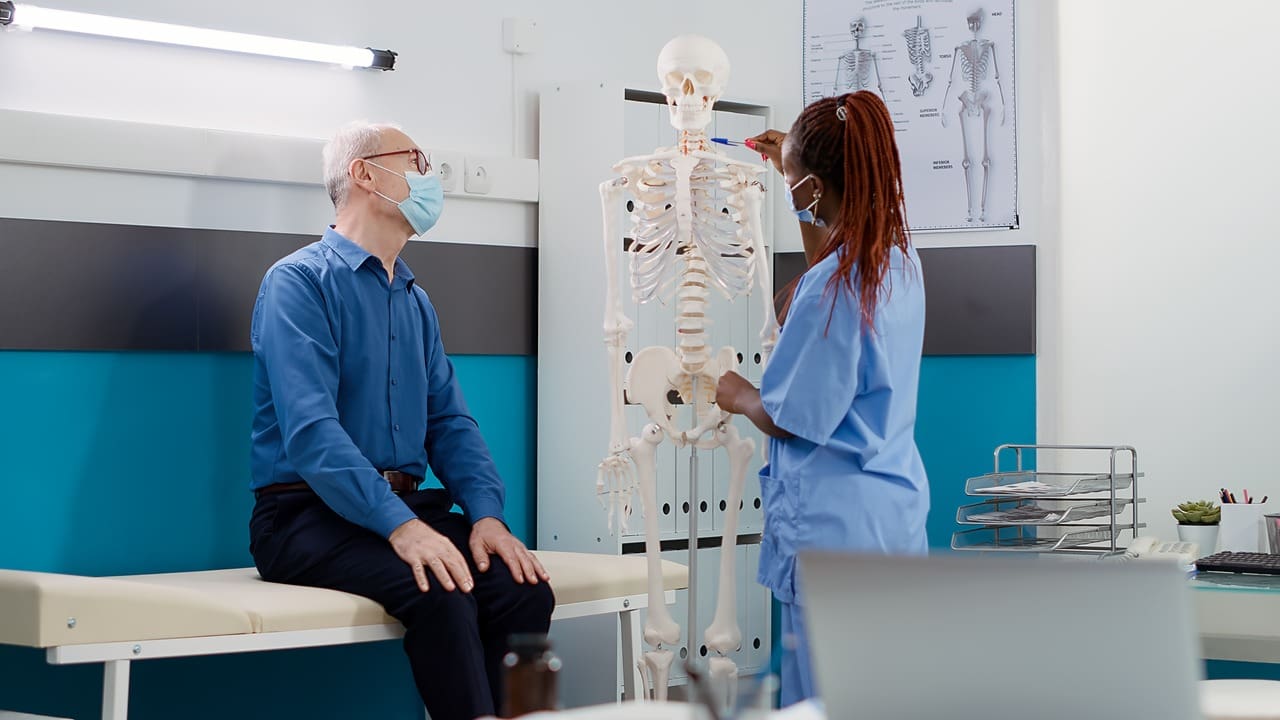
- Total knee, hip, elbow, and shoulder prosthesis operations
- Shoulder rotator cuff repair operation
- Anterior Cruciate Ligament reconstruction operation
- Arthroscopic knee operation, such as a menisectomy
- Arthroscopic hip impingement operations
- Achilles tendon repair
- Trap neuropathy operations (CTS, TTS, Cubital tunnel syndromes)
- Tendon, nerve lesion, and repair of extremities
- Fracture rehabilitation
- Sudeck atrophy (RSD)
- Adhesive capsulitis
- Patellar chondromalacia etc.
Neurological Rehabilitation;
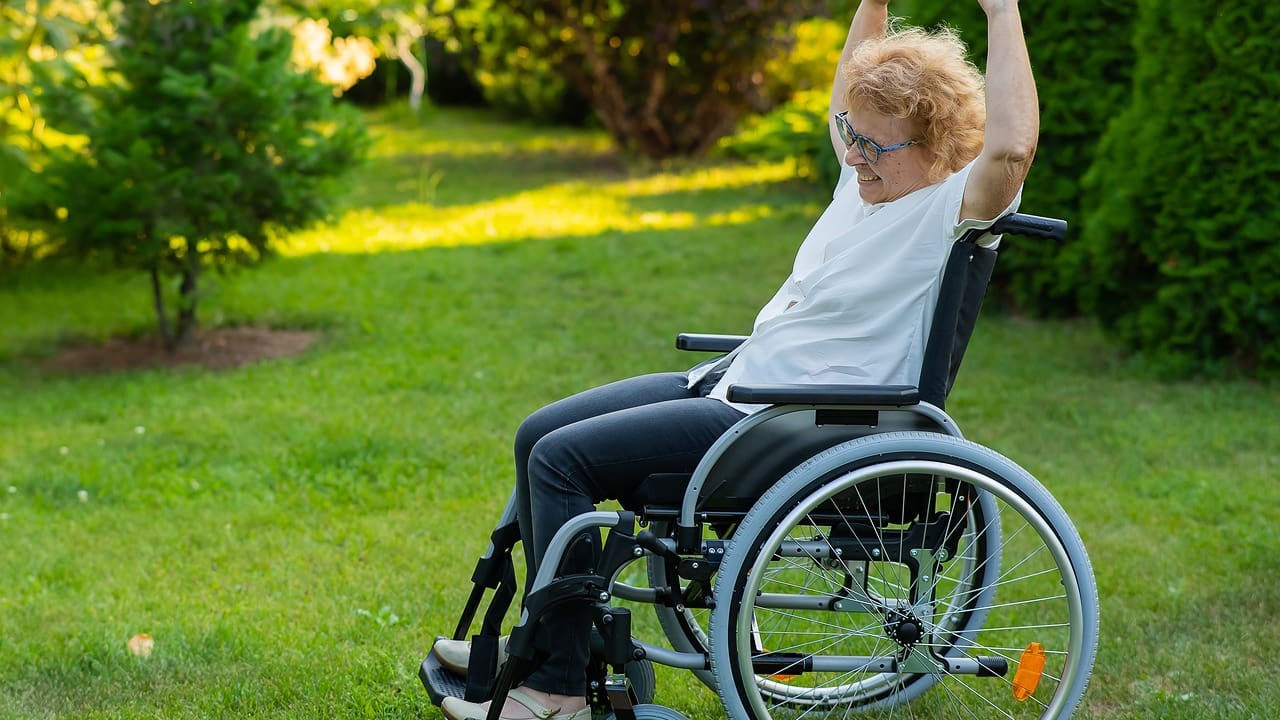
- This therapy helps patients regain balance, movement, daily living skills, muscle strength, and lost functions.
- Spinal cord injuries
- Brain damage
- Cerebral Palsy
- Multiple Sclerosis
- Stroke
- Amyotrophic Lateral Sclerosis
- Facial paralysis
- Parkinson’s disease
- Myopathy
- Tension headache
- Chronic lower back pain, etc.
- Sports Rehabilitation
- Back, lower back, and neck pain
- Muscle and tendon injuries
- Strains or sprains in ligaments and joints
- Rehabilitation after fracture
- Measurement and rehabilitation of muscle shortness, muscle weakness, and muscle condition, etc.
Rehabilitation in Rheumatic Diseases;
- Fibromyalgia, myofascial pain syndromes
- Arthrosis (calcification)
- Ankylosing spondylitis
- Rehabilitation for chronic rheumatoid arthritis deformities
Pediatric Rehabilitation;
- Cerebral Palsy (CP)
- Torticolis
- Erb Duchenne palsy
- Duchenne dystrophy
- Congenital deformities, etc.
Rehabilitation After Plastic Surgery;
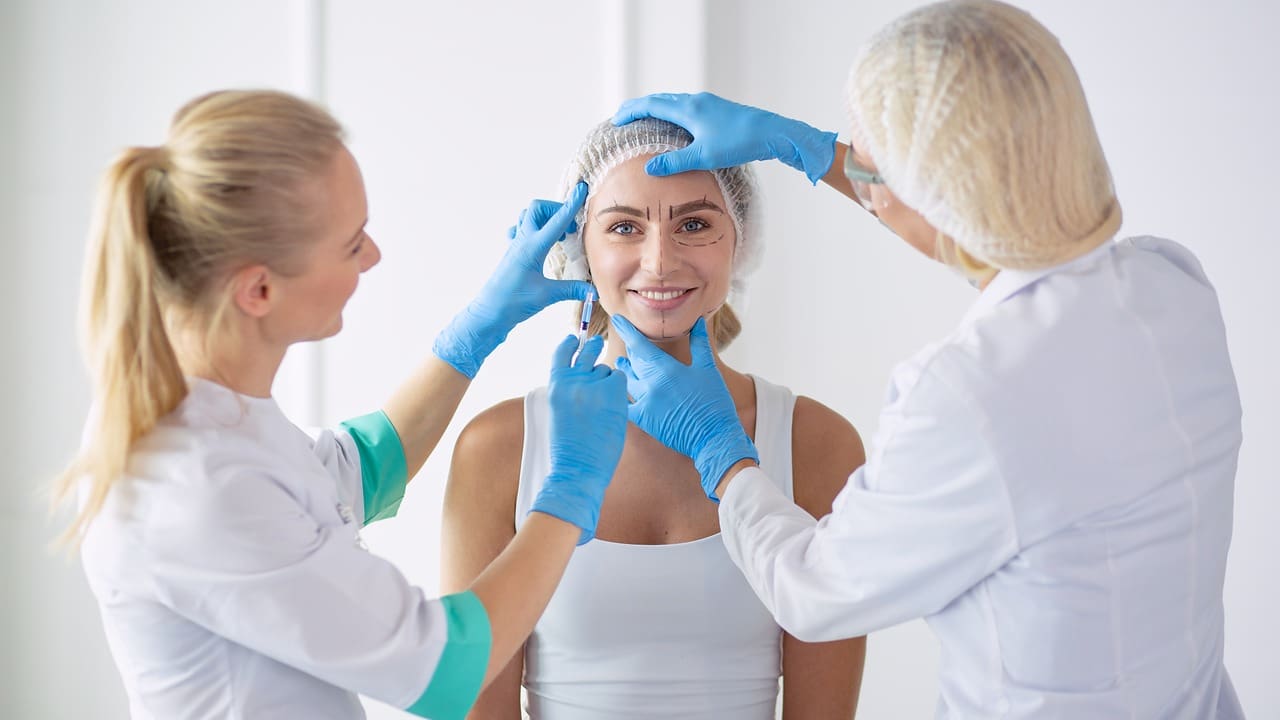
- Burn rehabilitation
- Extreme weakness after Botox application
- Increasing blood flow after flap application
- Treatment aimed at reducing pain after cosmetic surgery
- Contracture, etc.
Women’s Health and Rehabilitation;
- Pelvic pain before and after childbirth
- Posture analysis and exercise training for pregnant women
- Urinary incontinence (stress)
- Dysmenorrhea
- Vaginismus
- Dyspareunia
- Other diseases seen with weakness of the pelvic floor muscles
- Hip and lower back pain during pregnancy (piriformis syndrome, coccydynia, lumbar hyperlordosis)
- Hyperemesis gravidarum (reduced vomiting, especially in the first trimester)
Other Treatments
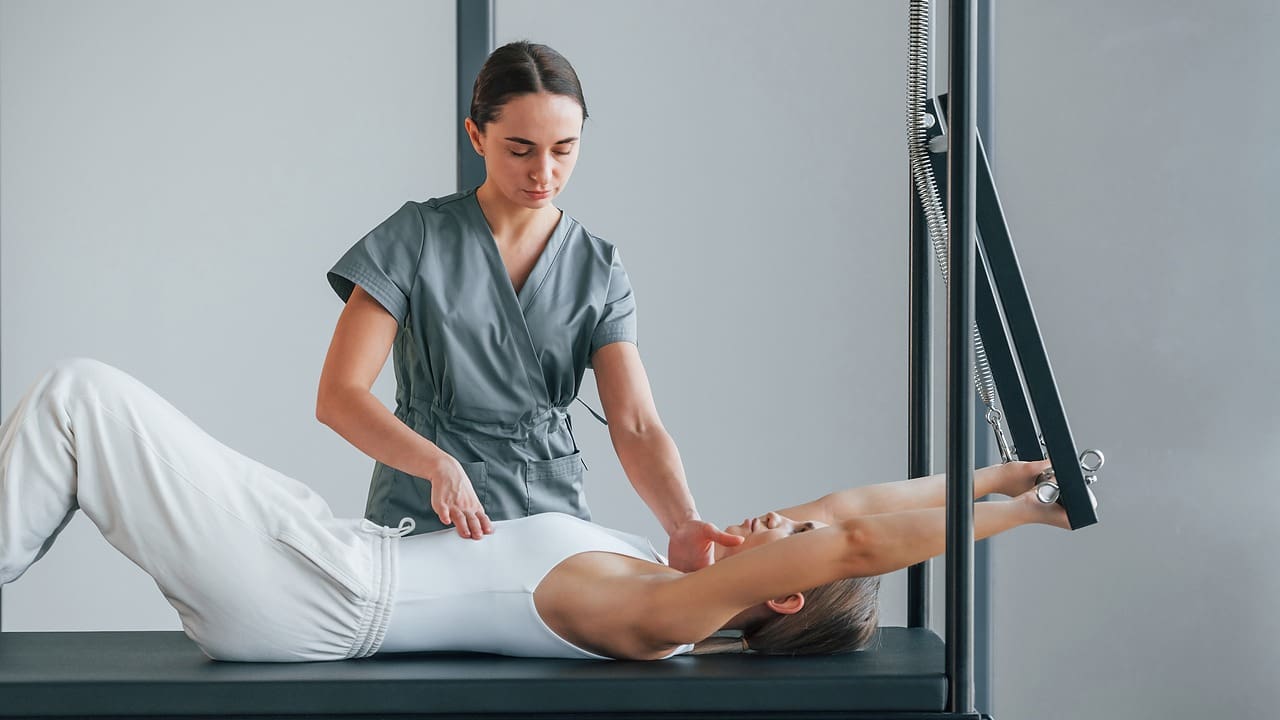
- Clinical Pilates
- Pregnant Pilates
- Dry Needling
- Chiropractic Applications
- Manual Therapy
- Sensory Integration
- Post covid Rehabilitation
- Neurological rehabilitation after stem cell application
- Treatment of lymphedema
- Osteoporosis
- Temporomandibular joint dysfunction, contracture
- Vertigo and tinnitus (due to cervical lordosis or spondylosis)
- Application of ESWT in epin calcanei (Heel spur) epicondylitis
- Posture analysis, etc.
- ESWT (extracorporeal shock wave therapy) is used to treat tendons and other soft tissue problems that do not respond to other treatments, such as tennis elbow, golfer’s elbow, Achilles tendonitis, and shoulder tendonitis. This method often leads to very successful results.
For more information about our academic and training initiatives, visit Liv Hospital Academy
Frequently Asked Questions for Physical Therapy and Rehabilitation
What results should I expect from physical therapy and rehabilitation?
Expect clearer movement, reduced pain, and greater confidence with daily activities. Progress is typically tracked using a range of motion, strength, balance, walking tolerance, and task specific goals.
Is there a difference between physical therapy and rehabilitation?
Yes. Rehabilitation is the umbrella process; physical therapy is a primary treatment within that process. In practice, your care feels seamless and coordinated.
What is the difference between habilitative and rehabilitative physical therapy?
Habilitative PT develops new abilities and functional skills. Rehabilitative PT restores abilities reduced or lost due to injury, surgery, or illness. Both rely on progressive exercise and clear milestones.
What’s the difference between physical therapy and rehabilitation?
Physical therapy is one key part of rehabilitation. PT targets movement, strength, balance, and pain reduction. Rehabilitation encompasses the entire pathway from assessment and planning to the return to activities.
Is physical medicine and rehabilitation the same as physical therapy?
No. Physical therapy focuses on exercises, manual therapy, and functional training. Physical medicine and rehabilitation is a medical specialty that evaluates functional limitations and coordinates comprehensive rehab plans. Patients benefit from both when appropriate.