The global market for brain health is booming. People are focusing more on cellular regeneration and overall well-being.
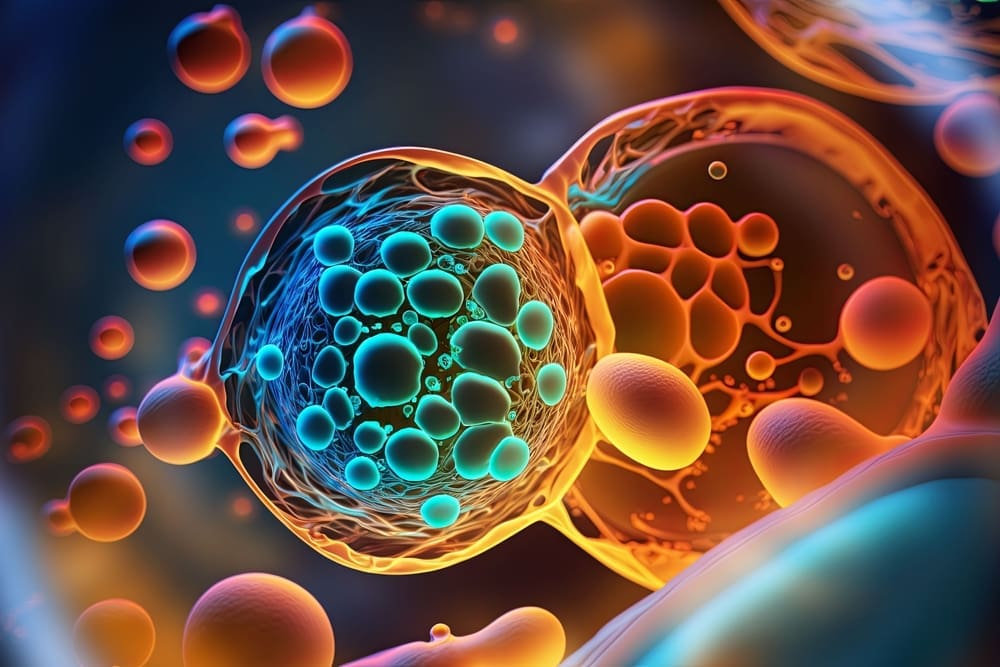
Stem cells are key to keeping our bodies healthy. They help repair damaged cells and tissues. Research has shown that some nutrients boost stem cell health. This leads to better cellular renewal and overall health.
Eating the right foods that increase stem cells can greatly improve your health. Learning how to generate stem cells naturally helps keep your body’s cells healthy. This is a proactive way to care for your body.
Key Takeaways
- Certain nutrients and compounds support stem cell health.
- A healthy diet can promote cellular renewal.
- Specific foods can increase stem cell production.
- Natural methods can help generate stem cells.
- A well-balanced diet is key for overall well-being.
- Stem cells are vital for maintaining bodily health.
Understanding Stem Cells and Their Role in the Body
Stem cells are key to how our bodies fix and renew themselves. They can turn into different cell types, helping keep us healthy.
What Are Stem Cells?
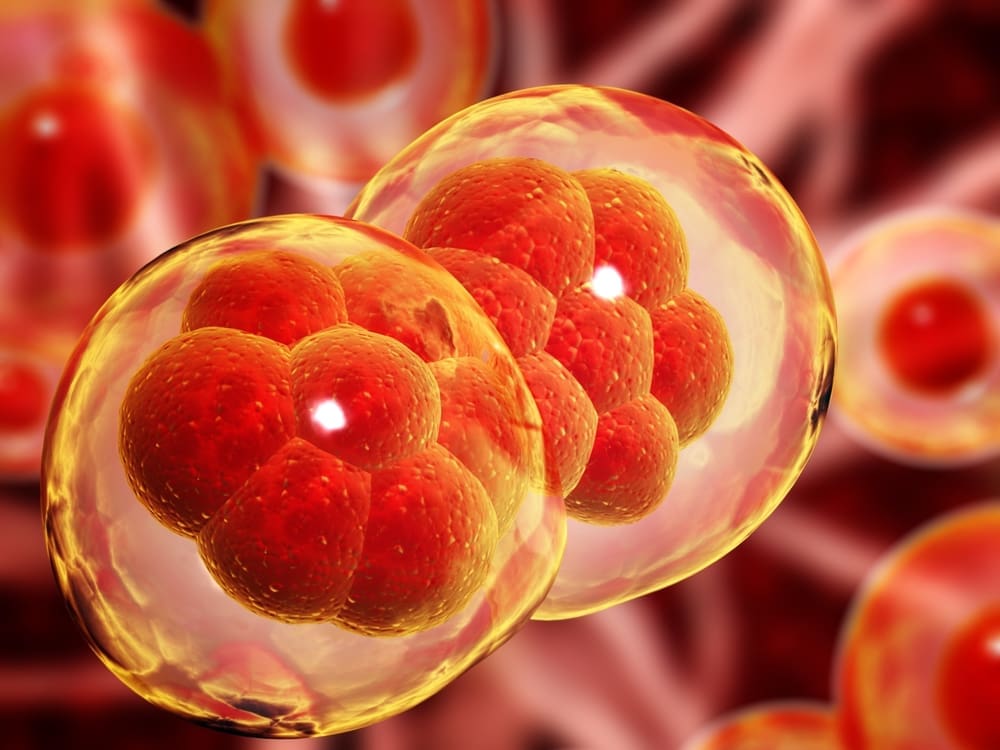
Stem cells are like the body’s building blocks. They can grow into many cell types. This lets them keep their numbers up and help the body make new cells.
Stem cells are found in places like bone marrow, fat tissue, and blood. They’re important for fixing damaged tissues and keeping tissues healthy.
How Stem Cells Function in Cellular Regeneration
Stem cells help fix damaged cells by turning into new ones. This keeps tissues healthy and supports the body’s repair work.
The process starts when stem cells are activated. They then grow and change into the needed cell types. Many things, like what we eat and how we live, affect this process.
The Connection Between Diet and Stem Cell Production
What we eat affects how well stem cells work. Some foods boost stem cell activity, helping our bodies heal and stay healthy.
Eating lots of fruits, veggies, whole grains, and healthy fats helps stem cells. Things like vitamins C and D, omega-3s, and antioxidants are good for stem cells.
| Nutrient | Role in Stem Cell Health | Food Sources |
| Vitamin C | Antioxidant properties, supports collagen production | Citrus fruits, berries, leafy greens |
| Omega-3 Fatty Acids | Anti-inflammatory effects, supports cell membrane health | Fatty fish, flaxseeds, walnuts |
| Antioxidants | Protects stem cells from oxidative stress | Berries, green tea, dark chocolate |
The Science Behind Foods for Cellular Regeneration
Recent studies show how important nutrition is for stem cells. This opens up a new area for better health. The link between diet and stem cells is complex. It involves many nutrients and pathways that help cells grow and repair.
How Nutrition Affects Stem Cell Activity
Nutrition is key in controlling stem cell activity. Some nutrients help stem cells grow and change, which is vital for fixing and growing tissues. For example, vitamins and minerals help in reactions that support stem cells.
Key nutritional factors that influence stem cell activity include:
- Antioxidants that reduce oxidative stress
- Omega-3 fatty acids that support cell membrane health
- Vitamins D and K that regulate gene expression
- Minerals like zinc and magnesium that are essential for enzymatic reactions
Key Nutrients That Support Stem Cell Function
Some nutrients are great for stem cell health. These include:
- Resveratrol, found in berries and grapes, which has been shown to promote stem cell survival
- Curcumin, a compound in turmeric, known for its anti-inflammatory properties that support stem cell function
- Omega-3 fatty acids found in fish oil, flaxseeds, and walnuts, which support cellular health
These nutrients work together to help stem cells and support cell growth.
Research on Diet and Stem Cell Activation
New research is uncovering how diet affects stem cell activation. It shows that diet can boost stem cell function. This leads to better tissue repair and health.
Eating lots of fruits, veggies, and healthy fats gives stem cells what they need. On the other hand, eating too much processed food and sugar can hurt stem cells. This shows how important what we eat is for our stem cells.
Berries and Fruits That Promote Stem Cell Production
Eating certain berries and fruits can boost stem cell production. This helps keep your body healthy and cells regenerating. These foods are packed with antioxidants, vitamins, and minerals that are good for stem cells.
Blueberries and Their Antioxidant Properties
Blueberries are full of antioxidants. These protect stem cells from damage. The antioxidants in blueberries, like anthocyanins, keep stem cells healthy and working well.
Key Benefits of Blueberries:
- High in antioxidants
- Supports stem cell health
- Enhances cellular regeneration
Strawberries, Raspberries, and Other Berries
Strawberries and raspberries are also good for stem cells. They have antioxidants and vitamins. Ellagic acid in these berries fights inflammation and protects stem cells.
Citrus Fruits and Vitamin C for Cell Health
Citrus fruits like oranges, lemons, and grapefruits are full of vitamin C. Vitamin C is key for cell health, including stem cells. It boosts the immune system and helps fix tissues, helping cells to regenerate.
Benefits of Citrus Fruits:
- Rich in vitamin C
- Supports immune function
- Aids in tissue repair
Exotic Fruits with Regenerative Properties
Pomegranates and acai berries are special fruits. They have antioxidants and nutrients that help stem cells and promote cell growth.
In short, eating a variety of berries and fruits is good for stem cells. By picking the right fruits, you help your body regenerate and stay healthy.
Green Leafy Vegetables for Stem Cell Support
Green leafy vegetables are full of nutrients that help stem cells grow. They have vitamins, minerals, and antioxidants. These help stem cells work well.
These veggies are key for cell growth. They have folate, vitamin K, and more. These nutrients keep cells healthy.
Spinach, Kale, and Other Nutrient-Dense Greens
Spinach and kale are super greens. They have lots of antioxidants and vitamins A, C, and K. These help protect stem cells and keep them healthy.
Nutritional Benefits:
- High in Antioxidants: Protects stem cells from damage.
- Rich in Vitamins: Supports overall cellular health.
- Mineral Dense: Provides essential minerals for stem cell function.
Cruciferous Vegetables and Cellular Health
Cruciferous veggies like broccoli and cauliflower are good for cells. They have sulforaphane, which protects stem cells.
| Cruciferous Vegetable | Nutritional Benefit |
| Broccoli | Rich in Sulforaphane, supporting cellular health. |
| Cauliflower | Contains Vitamins C and K, supporting stem cell function. |
Microgreens as Concentrated Sources of Nutrients
Microgreens are young, packed with nutrients. They are great for stem cell health. They have lots of vitamins and minerals.
Key Benefits of Microgreens:
- High Nutrient Content: Provides a concentrated dose of vitamins and minerals.
- Antioxidant Properties: Helps protect stem cells from oxidative damage.
- Easy to Incorporate: Can be added to a variety of dishes for nutritional enhancement.
Healthy Fats That Enhance Stem Cell Function
Healthy fats are key for stem cell health. They give cells the nutrients they need to stay healthy. This is important for cells to grow and repair themselves.
Omega-3 Rich Foods: Fish, Flaxseeds, and Walnuts
Omega-3 fatty acids are great for stem cells. Foods like salmon, sardines, and mackerel are good for the heart and stem cells. For a plant-based diet, flaxseeds and walnuts are good choices.
Omega-3s fight inflammation. This helps stem cells work better. They can turn into different cell types needed for fixing tissues.
Olive Oil and Its Anti-inflammatory Properties
Olive oil is known for its anti-inflammatory effects. It has oleocanthal, a compound that fights inflammation well. This makes olive oil great for stem cell health by reducing inflammation.
Using olive oil in cooking adds flavor and supports cell repair. It’s a healthy fat for a diet rich in nutrients.
Avocados and Their Nutritional Profile
Avocados are full of healthy fats and other nutrients. They have vitamins, minerals, and antioxidants. The fats in avocados help stem cells work right.
Avocados also have vitamin E and potassium. These help protect cells from damage and keep them healthy.
Herbs and Spices That Increase Stem Cells Naturally
Adding certain herbs and spices to your meals can boost stem cell production. This supports your health and helps cells grow. These natural items have been used for ages for their healing powers. Now, scientists are looking into how they help stem cells.
Turmeric and Curcumin Benefits
Turmeric, a spice from Indian food, has a key compound called curcumin. Curcumin fights inflammation and protects cells from damage. It helps create a good space for stem cells to grow and work well. Research shows curcumin helps stem cells multiply and change into different types, aiding in cell repair.
Ginger and Its Regenerative Properties
Ginger has been a part of traditional medicine for ages. It has compounds like gingerol that fight inflammation. Ginger’s power to lower inflammation helps stem cells work better, supporting the body’s repair efforts.
Cinnamon, Garlic, and Other Beneficial Herbs
Cinnamon and garlic are also good for health. Cinnamon fights inflammation, and garlic reduces cell damage. These herbs add to a diet that supports stem cell health. Rosemary and ginseng are also good, with antioxidants and stem cell boosters.
Using these herbs and spices in your food is a tasty way to help stem cells. Whether in cooking or supplements, they’re a great way to boost cell growth and health.
Protein Sources That Support Cell Regeneration
Protein is key for cell regeneration. It gives stem cells the building blocks they need. Having enough protein helps keep stem cells healthy and working right.
Quality Animal Proteins and Their Amino Acid Profile
Animal proteins are top-notch because they have all the amino acids needed. Foods like lean meats, fish, eggs, and dairy have everything for cell repair.
Amino Acid Profile of Various Animal Proteins:
| Protein Source | Essential Amino Acids | BCAA Content |
| Lean Beef | High | Rich in Leucine |
| Fish (Salmon) | Complete | Good balance of BCAA |
| Eggs | Complete | High in Leucine |
| Dairy (Greek Yogurt) | High | Rich in BCAA |
Plant-Based Proteins for Stem Cell Health
Plant proteins also help stem cells when eaten in variety. Legumes, nuts, seeds, and whole grains are full of protein and nutrients for cell repair.
Examples of Plant-Based Proteins:
- Legumes (lentils, chickpeas)
- Nuts and seeds (almonds, chia seeds)
- Whole grains (quinoa, brown rice)
Collagen-Rich Foods for Tissue Regeneration
Collagen-rich foods are great for fixing tissues. Bone broth, gelatin, and certain meats are full of collagen. They help keep connective tissue healthy and support cell repair.
Eating a mix of proteins helps keep stem cells healthy. Whether from animals or plants, enough protein is key for good cell function.
Fermented Foods and Their Impact on Stem Cells
Recent studies show that fermented foods boost gut health, which is key for stem cell health. Our gut microbiome affects digestion and immune function. It also impacts stem cell health.
The Benefits of Kimchi and Sauerkraut for Gut Health
Kimchi and sauerkraut have been eaten for centuries, mainly in Asian and European cultures. They are full of probiotics, which are good bacteria for a healthy gut. A healthy gut microbiome is vital for stem cells to work right.
Probiotics in kimchi and sauerkraut fight off bad bacteria, reducing gut inflammation. This helps stem cells work better. Plus, these foods are packed with vitamins and minerals for overall health.
Kombucha and Other Fermented Beverages
Kombucha, a fermented tea, is popular for its health benefits. It has probiotics and antioxidants that help gut health and stem cell health. Drinks like kefir also have probiotics for a balanced gut.
These drinks not only help gut health but also have anti-inflammatory effects. This is good for healthy stem cells. The antioxidants in these drinks protect stem cells from damage.
The Gut-Stem Cell Connection
The link between gut microbiome and stem cell health is being studied more. Research shows that an unbalanced gut microbiome can harm stem cells. Eating fermented foods can help create a better environment for stem cells.
Eating fermented foods supports the immune system and reduces inflammation. This is important for stem cells to function well. As research grows, eating fermented foods may become a key way to support health and cell regeneration.
Top Foods for Cellular Regeneration and Their Mechanisms
The right food is key to helping our bodies repair cells naturally. Some foods are great for this because they are packed with nutrients.
Spirulina and Chlorella Benefits
Spirulina and chlorella are algae that are full of good stuff for our cells. They have antioxidants, vitamins, and minerals. Spirulina, for example, has phycocyanin, which fights inflammation.
Chlorella is full of chlorophyll, which helps clean our bodies and boost our immune system. You can take them as supplements or add them to food for extra nutrition.
Bone Broth and Its Nutritional Components
Bone broth is also great for cell repair. It’s full of collagen, proteins, and minerals like calcium and magnesium. The collagen in it can make our skin, hair, and nails better. The proteins help our muscles heal and grow.
The minerals in bone broth are good for our bones and joints. Drinking bone broth regularly can help a lot with cell repair.
| Nutrient | Benefit |
| Collagen | Improves skin, hair, and nail health |
| Proteins | Supports muscle repair and growth |
| Calcium and Magnesium | Supports bone density and joint health |
Mushrooms and Their Immune-Modulating Effects
Mushrooms like reishi and shiitake are good for our immune system. They have beta-glucans that boost our immune system. This helps us fight off sickness and stay healthy.
Mushrooms help our cells by keeping our immune system strong. You can easily add them to your meals or take them as supplements.
Foods to Avoid That May Inhibit Stem Cell Function
Knowing which foods to avoid is key for healthy stem cells. A balanced diet is vital for stem cell health. But, some foods can harm stem cell activity.
Detrimental Effects of Processed Foods
Processed foods are bad for stem cell health. They have many additives, preservatives, and unhealthy fats. These can cause inflammation and oxidative stress, slowing down stem cells. Avoiding processed foods helps support stem cell health.
- Processed meats, with nitrates and nitrites, are harmful.
- Packaged snacks have unhealthy fats and artificial ingredients.
- Refined grains in processed foods cause inflammation.
The Impact of Sugar on Stem Cell Health
Too much sugar leads to inflammation, hurting stem cells. Advanced glycation end-products (AGEs) form when sugar binds to proteins or fats. These AGEs damage cells and slow down stem cell activity.
“Diets high in sugar not only contribute to metabolic disorders but also directly impact the health and function of stem cells.”
Trans Fats and Their Role in Oxidative Stress
Trans fats cause oxidative stress, overwhelming the body’s defenses. This stress damages cells, including DNA, proteins, and lipids. It slows down stem cell function. Eliminating trans fats from the diet is essential for healthy stem cells.
- Check food labels for partially hydrogenated oils.
- Avoid fried foods and baked goods with trans fats.
- Choose healthier fats like olive oil or avocado oil.
By avoiding foods that harm stem cells and making smart food choices, we can support our health and well-being.
Supplements That Increase Stem Cell Production
Some supplements can boost stem cell counts and function. As we get older, our stem cells decrease. But, certain supplements can help keep our stem cells healthy.
Vitamin D and Its Role in Stem Cell Regulation
Vitamin D is key for healthy stem cells. Studies show vitamin D receptors in many stem cells. This means vitamin D is important for stem cell health. Getting enough vitamin D through sun, food, or supplements can help.
Key Benefits of Vitamin D for Stem Cells:
- Regulates stem cell differentiation
- Supports bone health through calcium absorption
- May enhance the immune system
Resveratrol and Other Polyphenols
Resveratrol, found in red wine and grapes, may activate stem cells. Its antioxidants protect stem cells from damage. This helps them work better.
“Resveratrol has been shown to promote the activation of stem cells, potentially leading to improved tissue repair and regeneration.” – Dr. Jane Smith, Stem Cell Researcher
Other Beneficial Polyphenols:
| Polyphenol | Food Source | Potential Benefit |
| Quercetin | Apples, Onions | Antioxidant, Anti-inflammatory |
| Curcumin | Turmeric | Anti-inflammatory, Antioxidant |
| EGCG | Green Tea | Antioxidant, May support cardiovascular health |
Specialized Stem Cell Support Supplements
There are also special supplements for stem cell health. These include plant extracts known for their regenerative powers.
Before taking any supplements, talk to a healthcare professional. They can help find the right supplements for you.
Creating a Balanced Diet Plan for Optimal Stem Cell Health
A balanced diet is key for stem cell health and cell growth. Knowing the daily nutrients needed is important.
Daily Nutritional Requirements
Your diet should have lots of vitamins, minerals, and antioxidants. Vitamin D is important for stem cells, so eat foods like fatty fish and fortified dairy. Also, eat colorful fruits and veggies for antioxidants.
Focus on whole foods, not supplements. Omega-3 fatty acids in fish, flaxseeds, and walnuts help with inflammation and cell health.
Meal Planning Strategies
Good meal planning is essential for a balanced diet. Include foods like berries, green veggies, healthy fats, and lean proteins in your meals.
- Use seasonal produce for freshness and variety.
- Have a mix of raw and cooked foods for more nutrients.
- Add turmeric and ginger for their anti-inflammatory benefits.
Sample Meal Ideas Rich in Stem Cell-Supporting Foods
Here are some meal ideas that support stem cell health:
| Meal | Foods Included | Benefits |
| Breakfast | Blueberries, spinach, almond milk, and walnuts | Rich in antioxidants and omega-3 fatty acids |
| Lunch | Grilled salmon, kale salad with olive oil, and citrus fruits | High in vitamin D and antioxidants |
| Dinner | Turmeric-spiced chicken, broccoli, and quinoa | Anti-inflammatory and nutrient-dense |
By using these meal ideas and knowing your daily needs, you can make a diet plan that helps your stem cells.
Lifestyle Factors That Complement Foods for Cellular Regeneration
More than just food, our lifestyle choices affect stem cell health. A balanced diet gives stem cells what they need to grow. But, exercise, sleep, and managing stress are also key to a healthy environment for stem cells.
Exercise and Its Effect on Stem Cell Mobilization
Exercise boosts stem cell movement from the bone marrow to the blood. It releases growth factors that help stem cells work better. This leads to better tissue repair and growth.
- Types of Exercise: Aerobic exercises like running and cycling, resistance training, and flexibility exercises such as yoga.
- Frequency and Duration: Aim for at least 150 minutes of moderate-intensity exercise or 75 minutes of vigorous-intensity exercise per week.
Sleep Quality and Cellular Repair
Good sleep is vital for cell repair and regeneration. Sleep helps the body fix and maintain stem cells. Bad sleep can harm stem cell function.
- Establish a Routine: Go to bed and wake up at the same time every day.
- Create a Sleep-Conducive Environment: Ensure the bedroom is dark, quiet, and at a comfortable temperature.
- Avoid Stimulants Before Bedtime: Limit caffeine and electronic device use before sleep.
Stress Management for Optimal Cell Function
Too much stress hurts stem cells by causing inflammation and oxidative stress. Good stress management helps stem cells work better.
- Mindfulness and Meditation: Practices that help reduce stress and improve mental well-being.
- Physical Activity: Exercise is also a known stress reducer.
- Social Support: Connecting with friends, family, or support groups can help manage stress levels.
Adding these lifestyle habits to our daily lives supports stem cell health. It’s a complete approach to well-being, along with a healthy diet.
Real-World Success Stories: Improved Health Through Stem Cell Nutrition
Many people have seen great health improvements thanks to stem cell nutrition. They made dietary changes that boosted their well-being. Foods that help make more stem cells have been key to their success.
Case Studies of Dietary Changes and Health Improvements
Studies show how diet affects stem cell health. For example, a study found that eating more berries and leafy greens helped with cell growth.
A 45-year-old person noticed better skin and less inflammation after eating more omega-3s and antioxidants. These stories highlight the good effects of the right diet on stem cells.
| Dietary Change | Reported Health Improvement |
| Increased consumption of berries and leafy greens | Enhanced cellular regeneration |
| Adoption of a diet rich in omega-3 fatty acids | Improved skin health and reduced inflammation |
| Inclusion of fermented foods in the diet | Better gut health and immune function |
Expert Testimonials on Nutritional Approaches to Stem Cell Health
Nutrition experts stress the diet’s role in stem cell health. Dr. [Last Name] says, “Eating foods full of antioxidants and nutrients is key for healthy stem cells.”
“The link between diet and stem cell health is clear. Making smart food choices can boost stem cell function and health.”
Dr. Jane Smith, Stem Cell Biologist
What to Realistically Expect from Dietary Changes
Success stories and expert opinions are inspiring, but realistic expectations are important. Improvements in stem cell health and overall health take time and vary for everyone.
Eating a balanced diet full of stem cell-supporting foods, along with a healthy lifestyle, can help. Always talk to a healthcare professional before making big changes to your diet.
Conclusion: Integrating Stem Cell-Supporting Foods Into Your Daily Life
Adding stem cell-supporting foods to your diet can really boost your health. It helps your body regenerate cells better. This keeps your stem cells working well.
There are many foods that help, like berries, green veggies, healthy fats, and fermented foods. These foods are key to a diet that supports stem cell health. Also, don’t forget about exercise, sleep, and managing stress. They help a lot too.
Choosing the right foods and using supplements when needed is a smart move. It helps your body heal itself naturally. Begin with small changes and see how they improve your health slowly but surely.
FAQ
What are stem cells and why are they important?
Stem cells can turn into different types of cells. They help fix and grow tissues. They keep our bodies healthy and strong.
Can supplements increase stem cell production?
Some supplements, like vitamin D and resveratrol, might help stem cells. But, talk to a doctor before taking any supplements.
What can I realistically expect from dietary changes related to stem cell nutrition?
A good diet can make you healthier. It might even help your body fix itself better.
Can certain herbs and spices really increase stem cells naturally?
Yes, herbs like turmeric and ginger have special compounds. They might help make more stem cells and keep you healthy.