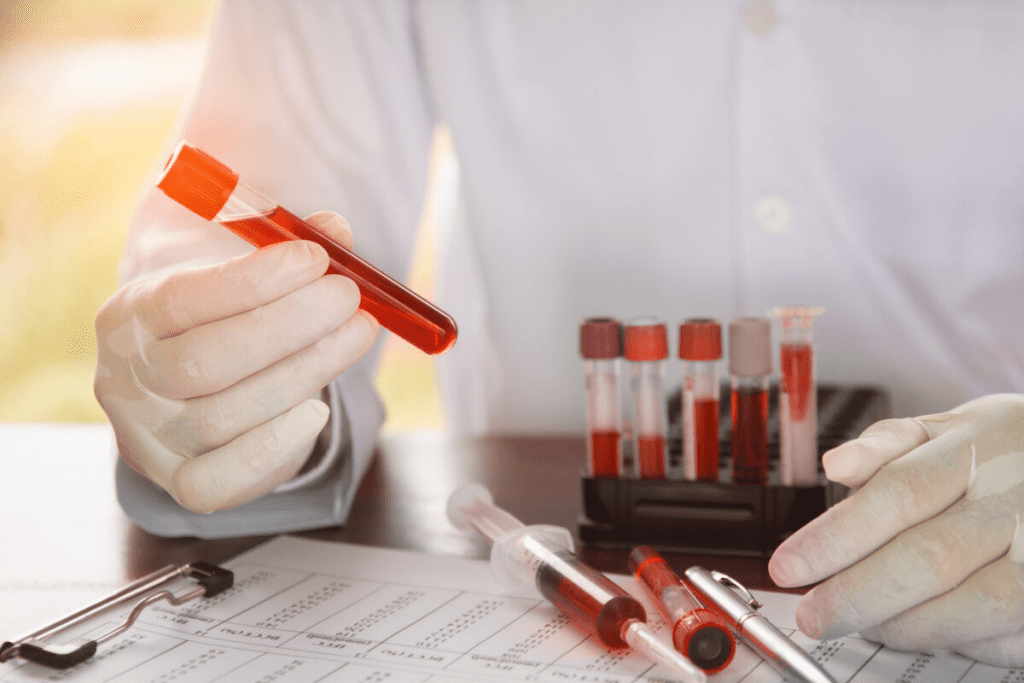
In the world of hematology, we find many blood disorders. These conditions affect different parts of the blood. Hematology looks at blood in health and sickness, including issues with red blood cells, white blood cells, platelets, and blood vessels.
It’s key to understand these hematology disorders to help those affected. We must keep working on research and care for these conditions.
Key Takeaways
- Hematology involves the study of blood and its disorders.
- Blood disorders can affect various components of the blood.
- Understanding these conditions is vital for proper care.
- Advancements in research and treatment are critical.
- Comprehensive care and support are essential for affected individuals.
The Scope and Impact of Blood Disorders
It’s important to understand the scope of blood disorders to tackle their global impact. These disorders, including blood diseases and bleeding disorders, affect many people worldwide.
Hematology, the study of blood and its disorders, is key in diagnosing and treating these issues. It covers a wide range of blood conditions, from anemia to blood cancers.
What Hematology Studies and Treats
Hematology deals with many disorders of blood. It includes problems with red and white blood cells, platelets, and bleeding disorders like hemophilia.
By grasping the complexities of these conditions, we can improve diagnosis and treatment. This leads to better patient outcomes.
Global Prevalence of Hematological Conditions
In 2019, there were 1.34 million new cases of blood cancers worldwide. Hemoglobin disorders also affect 71% of countries, with over 330,000 babies born with them each year. These numbers show the urgent need for more research and better healthcare to manage blood diseases.
We’re dedicated to advancing hematology and improving care for patients with blood conditions globally.
Common Red Blood Cell Disorders
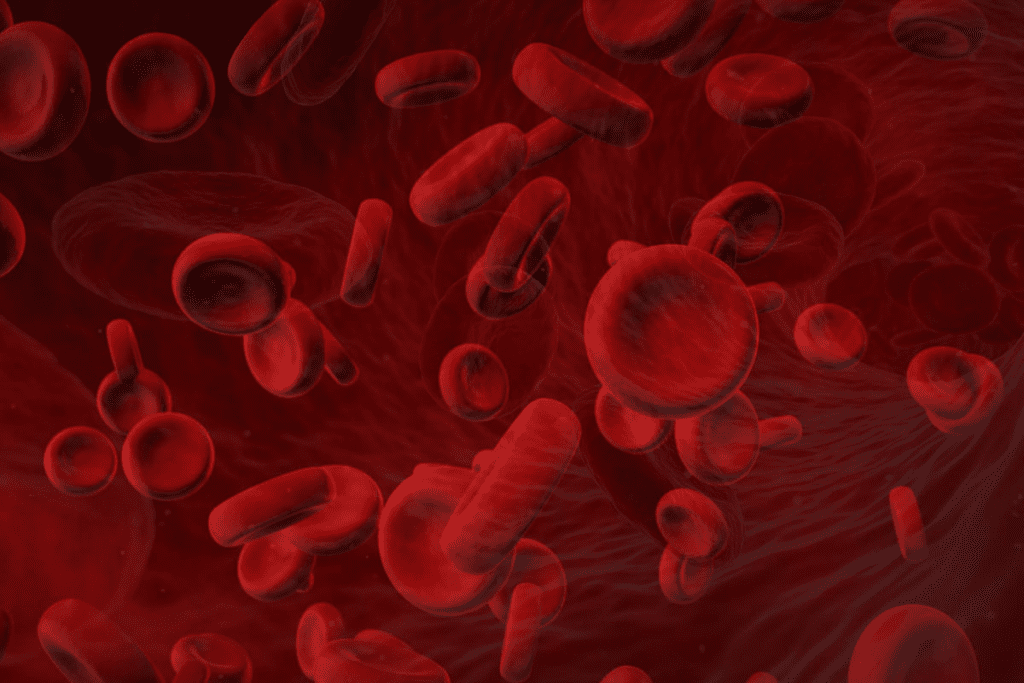
Red blood cell disorders affect how red blood cells are made, work, and last. These issues can really change someone’s life. It’s key to know about them and how to handle them.
Anemia: When Red Blood Cells Are Deficient
Anemia means not enough red blood cells or poor quality ones. This makes it hard for tissues and organs to get enough oxygen. In 2023, 9.3% of people aged 2 and up in the U.S. had anemia.
Women and older folks were more likely to have it. Anemia can be caused by many things, like not enough iron or chronic diseases.
People with anemia might feel tired, weak, and pale. They might also have trouble breathing. Treatment depends on why someone has anemia. It might include eating certain foods, taking iron pills, or treating other health problems.
In some cases, treatments like special medicines or blood transfusions are needed.
Polycythemia and Erythrocytosis
Polycythemia and erythrocytosis mean having too many red blood cells. Polycythemia vera is a rare blood cancer that makes too many red and white blood cells and platelets. Erythrocytosis just means too many red blood cells.
These conditions can raise the risk of blood clots and heart problems. Symptoms include headaches, dizziness, and itching, often after a warm bath.
Doctors try to lower the risk of problems. They might do blood removal to reduce red blood cell count. They also use medicines to help with symptoms and prevent clots.
It’s important to know about these red blood cell disorders. This helps doctors give better care. By understanding causes, symptoms, and treatments, doctors can help people with these conditions a lot.
Hemoglobinopathies: Inherited Blood Disorders
Hemoglobinopathies are inherited disorders that affect hemoglobin, a key protein in red blood cells. These genetic conditions can cause serious health problems. It’s important to understand them to provide the right care.
Sickle Cell Disease
Sickle cell disease is a common hemoglobinopathy, making up about 83% of cases. It’s caused by a gene mutation that leads to abnormal hemoglobin, known as sickle hemoglobin or HbS. This abnormal hemoglobin makes red blood cells sickle-shaped under certain conditions.
This sickling can cause red blood cells to break down early. It leads to health issues like pain episodes, infections, and damage to organs like the spleen, kidneys, and heart. Treatment includes preventive steps, pain management, and sometimes blood transfusions to lower complication risks.
Thalassemias
Thalassemias are another major type of hemoglobinopathy. They involve reduced production of either alpha-globin or beta-globin chains of hemoglobin. The severity can range from mild to severe, causing anemia and other health problems. These conditions are more common in the Mediterranean, the Middle East, and parts of Asia.
Managing thalassemias often involves blood transfusions to keep hemoglobin levels up. Iron chelation therapy is also used to prevent iron overload from frequent transfusions. In severe cases, bone marrow transplantation might be considered. Genetic counseling is key to helping families understand risks and options.
Both sickle cell disease and thalassemias need thorough care, including regular check-ups and preventive steps. Advances in medicine and a better understanding of these conditions have greatly improved life quality for those affected.
Hematologic Malignancies

Hematologic malignancies are cancers that affect the blood, bone marrow, and lymphoid tissues. They need special care and treatment. These cancers can make it hard for the body to make healthy blood cells.
We will look at the different types of hematologic malignancies and how they are treated.
Leukemias
Leukemia is a cancer that affects the blood and bone marrow. It is the most common type of hematologic malignancy. There are several subtypes of leukemia, including acute lymphoblastic leukemia (ALL), acute myeloid leukemia (AML), chronic lymphocytic leukemia (CLL), and chronic myeloid leukemia (CML).
Treatment for leukemia depends on the subtype. It may include chemotherapy, targeted therapy, or bone marrow transplantation.
“The diagnosis and treatment of leukemia have evolved significantly over the years, improving patient outcomes,” says a hematologist at a leading cancer center. “Early detection and appropriate treatment are key to managing the disease effectively.”
Lymphomas
Lymphoma is a type of hematologic malignancy that affects the lymphatic system. It can be broadly categorized into Hodgkin lymphoma and non-Hodgkin lymphoma (NHL), with NHL being more common. The symptoms of lymphoma can vary, but often include swollen lymph nodes, fever, and weight loss.
Treatment options for lymphoma include chemotherapy, radiation therapy, and immunotherapy. This depends on the stage and type of lymphoma.
Multiple Myeloma and Plasma Cell Disorders
Multiple myeloma is a cancer that forms in a type of white blood cell called a plasma cell. It can lead to various complications, including bone damage and anemia. Treatment for multiple myeloma may involve targeted therapy, chemotherapy, and corticosteroids.
Plasma cell disorders, including monoclonal gammopathy of undetermined significance (MGUS), are related conditions. They can sometimes progress to multiple myeloma.
Understanding the different types of hematologic malignancies is key to developing effective treatment plans. As research advances, new therapies and management strategies are being explored to improve patient outcomes.
Platelet and Clotting Blood Disorders
Platelet and clotting blood disorders affect how the body makes blood clots. This can lead to too much bleeding or clots forming where they shouldn’t. Both problems can seriously harm your health.
Platelet Disorders
Platelet disorders mess with how platelets work. Platelets are key to blood clotting. Thrombocytopenia means you have too few platelets, making you bleed more easily. Thrombocythemia means you have too many, which can cause clots to form.
Symptoms include bruising, small spots on the skin, and bleeding that won’t stop. Doctors use blood tests to find out what’s wrong. Treatment depends on the cause and might include medicines to help platelets work properly.
Coagulation Disorders
Coagulation disorders mess with blood clotting. Hemophilia is when you don’t have enough clotting factors, leading to prolonged bleeding. It’s usually passed down and is more common in males.
Von Willebrand disease affects how platelets stick together. Symptoms include easy bruising, nosebleeds, and heavy periods. Doctors test blood to find out what’s wrong. Treatment might include clotting factor replacement or medicines to help with von Willebrand factor.
Conclusion: Advances in Diagnosis and Treatment of Hematological Disorders
Advances in hematology have changed how we diagnose and treat blood disorders. This has greatly improved patient results. We’ve looked at different blood conditions, like anemia and sickle cell disease, showing their complexity and the need for full care.
Liv Hospital is dedicated to top-notch medical care and innovation in hematology. We use the latest technology and skills to offer the best diagnosis and treatment for blood disorders.
The future of blood disorder care is bright, thanks to ongoing research and new treatments. As we learn more, we’re hopeful that treating blood disorders will get even better. This will lead to better health outcomes for patients.
FAQ
What are blood dyscrasias, and how are they related to hematology?
Blood dyscrasias are disorders of the blood. Hematology is the study, diagnosis, and treatment of these blood issues. It includes problems with red and white blood cells, platelets, and clotting factors.
What are the common symptoms of blood disorders?
Symptoms vary by disorder but often include fatigue, weakness, and pale skin. You might also experience shortness of breath, frequent infections, and easy bruising. Swollen lymph nodes are another sign.
How are hematologic malignancies diagnosed?
Doctors use blood tests, bone marrow biopsies, and imaging studies to diagnose cancer. Genetic testing may also be done to understand the cancer’s specific traits.
What is the difference between anemia and polycythemia?
Anemia means not enough red blood cells or hemoglobin, causing oxygen delivery issues. Polycythemia, with too many red blood cells, raises the risk of blood clots.
How are hemoglobinopathies like sickle cell disease and thalassemias managed?
Management includes blood transfusions, medications, and sometimes bone marrow transplants. Genetic counseling is also key.
What are the treatment options for bleeding disorders like hemophilia?
Treatment often involves clotting factor replacement through IV infusions. This can be on-demand or regular to prevent bleeds. Medications to promote clotting or prevent bleeding may also be used.
How have advances in hematology improved patient outcomes?
New diagnostic tools and targeted therapies have greatly improved patient care. These advancements have led to a better quality of life and survival rates for those with blood disorders.
What is the role of institutions like Liv Hospital in treating hematological disorders?
Places like Liv Hospital offer top-notch care with the latest in hematology. They provide a wide range of support services. This ensures patients get the best treatment and care.
References
- Global burden of hematologic malignancies and evolution trends. (2023). Journal of Hematology & Oncology, 16, Article 120. https://pubmed.ncbi.nlm.nih.gov/37193689/
- Projected global trends in hematological malignancies: Incidence to 2030. (2023). Blood, 142(Supplement 1), 3810. https://ashpublications.org/blood/article/142/Supplement%201/3810/502329/Projected-Global-Trends-in-Hematological
- Polycythemia (erythrocytosis). (n.d.). In StatPearls. NCBI Bookshelf. https://www.ncbi.nlm.nih.gov/books/NBK526081/
- Pathophysiology of anemia and erythrocytosis: Mechanisms and clinical correlations. (2007). Seminars in Nephrology. https://www.sciencedirect.com/science/article/abs/pii/S1040842807001199