How to avoid colon cancer? Nearly 1 in 23 men and 1 in 25 women will get colorectal cancer in their lifetime. This makes it a big health worry in the United States.
But, there are many effective strategies to lower your risk. By choosing healthy habits and getting regular check-ups, you can greatly reduce your risk of getting colorectal cancer.
Knowing the risks and acting early is key. This article will look at different ways to stop colon cancer. We’ll talk about diet changes and screening options. This will help you take charge of your health.
Key Takeaways
- Understanding the risks associated with colorectal cancer
- Effective dietary changes to reduce the risk
- The importance of regular screenings
- Lifestyle modifications that can help prevent the disease
- Staying informed about the latest prevention strategies
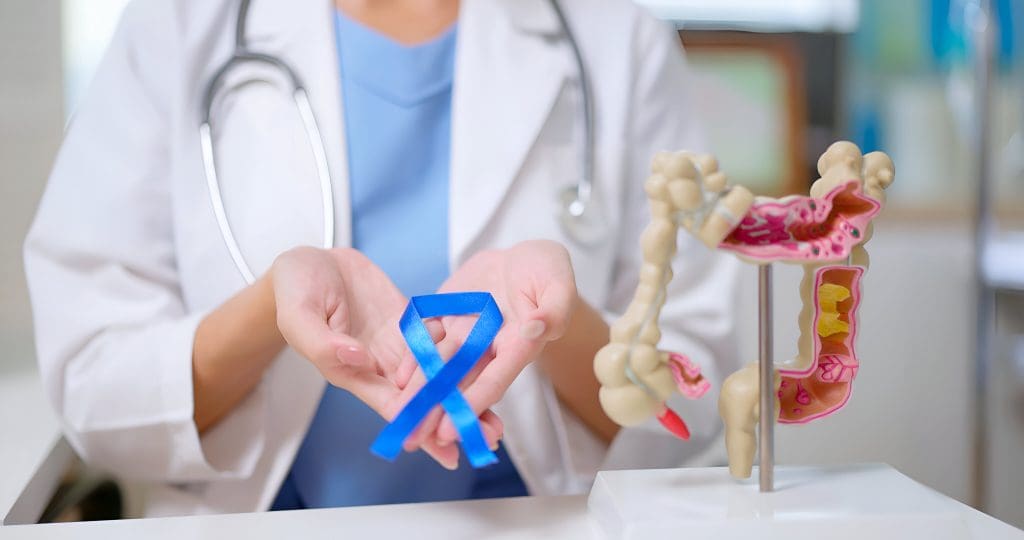
Understanding Colon Cancer
Learning about colon cancer is key to preventing and catching it early. This type of cancer, also called colorectal cancer, happens in the large intestine. It’s a big health issue in the United States.
What is Colon Cancer?
Colon cancer starts in the colon or rectum. It’s caused by abnormal cell growth, called polyps, in the colon’s lining. Most cases come from adenomatous polyps, which can turn cancerous over time.
Statistics and Prevalence in the United States
The American Cancer Society says colon cancer is a top cancer in the U.S. The numbers are scary, with many new cases every year.
| Year | New Cases | Deaths |
| 2020 | 104,270 | 52,980 |
| 2021 | 106,180 | 52,980 |
| 2022 | 109,470 | 52,550 |
This data shows why we need to be aware and screen for colon cancer.
Common Signs and Symptoms
Knowing the signs of colon cancer is important for catching it early. Look out for:
- Blood in the stool or black, tarry stools
- Changes in bowel habits, such as diarrhea or constipation
- Abdominal pain or discomfort
- Weakness or fatigue
- Unexplained weight loss
If you notice any of these, see a doctor right away.
Key Risk Factors for Colon Cancer
Several factors can increase your chance of getting colon cancer. These include your age, family history, and lifestyle. Knowing these factors helps in preventing and catching colon cancer early.
Age and Gender Considerations
Age is a big factor in colon cancer, with most cases happening after 50. The risk grows with age, even more after 60. While it can happen to younger people, it’s much rarer. Men might have a slightly higher risk than women, but it can vary.
Family History and Genetic Predisposition
Having a family history of colon cancer is a big risk factor. If a close relative, like a parent or sibling, had it, you’re at higher risk. Genetic syndromes like Lynch syndrome and Familial Adenomatous Polyposis (FAP) also raise your risk. Testing can find these syndromes.
- Family history of colon cancer
- Genetic syndromes like Lynch syndrome and FAP
- History of other cancers, such as ovarian or breast cancer
Racial and Ethnic Risk Variations
Colon cancer risk also varies by race and ethnicity. African Americans face a higher risk than other groups in the U.S. These differences are due to genetics, environment, and social factors.
Modifiable vs. Non-modifiable Risk Factors
Some risk factors, like age and family history, can’t be changed. But lifestyle choices can. Diet, exercise, and smoking are things you can control. Eating well, staying active, and not smoking can lower your risk.
- Maintain a healthy diet rich in fiber and antioxidants
- Engage in regular physical activity
- Avoid smoking and limit alcohol consumption
By knowing and acting on these risk factors, you can lower your chance of colon cancer.
The Power of Early Detection
Colon cancer is very treatable if caught early. This makes early detection a key to saving lives. It not only improves treatment results but also boosts survival chances for colon cancer patients.
Why Timing Matters in Colon Cancer
The timing of finding colon cancer is very important. The disease often grows quietly, without symptoms in its early stages. Regular colon cancer screening can spot polyps or cancer early, when it’s easier to treat.
- Screening finds colon cancer early, often before symptoms show.
- It can stop colon cancer by removing polyps before they turn cancerous.
- It leads to quicker treatment, making it more effective.
Survival Rates with Early Detection
The survival rates for colon cancer patients have greatly improved with early detection. Recent stats show a 5-year survival rate of over 90% for localized colon cancer.
This shows how vital early detection colon cancer strategies are for better patient outcomes. Early detection means treatments work better, leading to higher survival rates.
Recognizing Warning Signs
Colon cancer might not show symptoms early on, but knowing the warning signs is key. Common signs include changes in bowel habits, blood in the stool, and ongoing abdominal pain.
- Changes in bowel habits, like diarrhea or constipation.
- Blood in the stool or black, tarry stools.
- Persistent abdominal pain or discomfort.
Spotting these signs and getting medical help fast can lead to earlier detection and treatment.
Essential Screening Methods for Colon Cancer Prevention
Colon cancer screening is key to prevention and treatment. It finds cancer early, when it’s easier to treat. It also stops cancer by removing polyps before they grow.
Colonoscopy: The Gold Standard
Colonoscopy is the top choice for colon cancer screening. It uses a flexible tube with a camera to check the colon. The American Cancer Society says adults should start screening at 45 if they’re at average risk.
“Colonoscopy is a powerful tool in the prevention of colon cancer, giving both diagnosis and treatment benefits.” –
American Gastroenterological Association
Alternative Screening Options
There are other screening methods too, like:
- Fecal occult blood tests (FOBT) to find hidden blood in stool
- Fecal immunochemical tests (FIT) that find human blood more accurately
- Stool DNA tests that spot cancer cell genetic material
- CT colonography, a radiologic check of the colon
Recommended Screening Schedules by Age and Risk
Screening plans change with age and risk. For average-risk people, it starts at 45 and goes until 75. Those with a family history or other risks might start sooner and more often.
Choosing a screening method and how often to do it should be talked over with a doctor. It depends on personal health, history, and current advice.
Dietary Strategies for Colon Cancer Prevention
The food we eat greatly affects our risk of colon cancer. Eating foods rich in certain nutrients can help protect us.
High-Fiber Foods and Their Protective Benefits
High-fiber foods are key in preventing colon cancer. Foods like beans, lentils, and whole grains are full of fiber. This keeps our digestive system healthy.
Eating these foods helps lower colon cancer risk. They promote regular bowel movements and prevent constipation.
Fruits and Vegetables for Optimal Colon Health
Fruits and vegetables are full of vitamins, minerals, and antioxidants. These are vital for a healthy colon. Leafy greens, broccoli, and berries are great because they’re rich in antioxidants and fiber.
Eating a variety of fruits and vegetables helps fight colon cancer. They reduce inflammation and support healthy cell growth.
Whole Grains and Their Anti-Cancer Properties
Whole grains, like quinoa, brown rice, and whole-wheat bread, are packed with nutrients. They have anti-cancer properties.
The fiber, vitamins, and minerals in whole grains help prevent colon cancer. They keep our digestive system healthy and reduce inflammation.
Plant-Based Eating Patterns
Following a plant-based diet can greatly lower colon cancer risk. This diet focuses on whole, minimally processed foods.
Plant-based diets are rich in fiber, vitamins, and minerals. They are low in saturated fats and processed meats. This combination reduces colon cancer risk.
Foods to Limit for Reducing Colon Cancer Risk
The foods we eat every day can either help or harm our chances of getting colon cancer. Making smart food choices is key to staying safe.
Red Meat Consumption and Cancer Risk
Eating too much red meat can raise your risk of colon cancer. Research shows cutting down on red meat can lower this risk.
Try eating more poultry, fish, or plant-based foods instead. It’s best to limit red meat to just a few times a week.
Processed Meats and Their Connection to Colon Cancer
Processed meats, like bacon and sausages, are linked to colon cancer. Health groups say they’re bad for us.
Not eating these foods can really help. Stick to fresh, whole foods instead.
Reducing Unhealthy Fat Intake
Too much unhealthy fat, like saturated and trans fats, can increase colon cancer risk. Avoid foods like fried snacks and some processed items.
Go for healthier fats in avocados, nuts, and olive oil. They’re better for you and might lower cancer risk.
Sugar and Refined Carbohydrates
Eating lots of sugar and refined carbs can cause insulin resistance and inflammation. These can lead to colon cancer.
Drink less sugary drinks and eat fewer sweets and refined grains. Eating whole foods is a smart move.
Nutritional Supplements in Colon Cancer Prevention
Nutritional supplements are gaining attention for their role in fighting colon cancer. Research is showing how diet and nutrition affect cancer risk. Some supplements stand out as being very helpful.
Calcium Intake and Protective Effects
Calcium is key in preventing colon cancer. It binds to harmful substances in the colon, reducing cancer risk. Adults should aim for 1,000 to 1,200 mg of calcium daily.
A study in the Journal of the National Cancer Institute found calcium helps. It’s most beneficial for those with high-risk diets.
| Calcium Intake (mg/day) | Colon Cancer Risk Reduction |
| 500-700 | Minimal Reduction |
| 1,000-1,200 | Moderate Reduction |
| >1,200 | Significant Reduction |
Vitamin D’s Role in Reducing Colon Cancer Risk
Vitamin D also helps lower colon cancer risk. It controls cell growth and boosts the immune system. Getting enough vitamin D from sun, diet, and supplements is key.
“Vitamin D deficiency has been associated with an increased risk of colorectal cancer, highlighting the importance of adequate vitamin D levels in colon cancer prevention.”
Other Potentially Beneficial Supplements
Other supplements may also help prevent colon cancer. These include:
- Omega-3 fatty acids, which have anti-inflammatory properties
- Probiotics, which support gut health
- Folate, which is involved in DNA synthesis and repair
- Antioxidants, such as vitamins C and E, which help protect cells from damage
While these supplements show promise, always talk to a healthcare provider before adding them. They can interact with medications or cause problems in some people.
Exercise and Physical Activity for Colon Health
Regular exercise and physical activity are key for a healthy colon and lower colon cancer risk. They improve digestion, reduce inflammation, and boost the immune system.
Reducing Colon Cancer Risk Through Exercise
Exercise helps in many ways to lower colon cancer risk. It keeps bowel movements regular, cuts down inflammation, and improves insulin sensitivity. Studies show that active people have a lower colon cancer risk than sedentary ones.
Key benefits of exercise in reducing colon cancer risk include:
- Improved bowel motility
- Reduced insulin resistance
- Enhanced immune function
- Decreased inflammation
Recommended Exercise Types and Duration
The American Cancer Society suggests 150 minutes of moderate or 75 minutes of vigorous activity weekly. Moderate activities are brisk walking, cycling, and swimming. Vigorous activities include running, HIIT, and strenuous cycling.
Examples of exercises that can be incorporated into daily routines include:
- Brisk walking during lunch breaks
- Cycling to work
- Swimming or water aerobics
- Running or jogging
- Yoga or Pilates for flexibility and strength
Incorporating Movement into Daily Life
Adding physical activity to daily life is easy. Try taking the stairs, walking to work, or doing chores. These activities boost physical activity and promote a healthy lifestyle.
Tips for incorporating more movement into daily life:
- Take a short walk during commercial breaks while watching TV
- Use a standing desk or walk while on phone calls
- Garden or do yard work
- Take the stairs instead of the elevator
- Park further away from destinations to walk more
Exercise Benefits at Different Life Stages
Exercise benefits colon health at all ages. For the young, it sets healthy habits for life. For the elderly, it keeps them active, reduces disease risk, and improves life quality.
Exercise recommendations may vary by age, but the core principle remains the same: regular physical activity is essential for maintaining colon health and reducing colon cancer risk.
Maintaining a Healthy Weight to Avoid Colon Cancer
Being overweight increases the risk of colon cancer. Keeping a healthy weight is key for your health. It helps lower the chance of getting this disease.
Obesity as a Major Risk Factor
Obesity is linked to more cancers, including colon cancer. Being overweight or obese causes chronic inflammation. This can lead to cancer. The risk is highest for those with a Body Mass Index (BMI) of 30 or higher.
A study in the Journal of the National Cancer Institute found obesity raises colon cancer risk in men and women. It shows the importance of a healthy weight through diet and exercise.
Body Fat Distribution and Cancer Risk
Not just how much body fat you have matters, but where it is. Visceral fat, around the abdomen, is very risky. This fat is active and can cause insulin resistance and inflammation, raising colon cancer risk.
People with a bigger waist are at higher colon cancer risk. Keeping a healthy waist size is key to preventing colon cancer.
Sustainable Weight Management Strategies
Effective weight management needs diet changes, more exercise, and lifestyle tweaks. Eating a balanced diet with fruits, vegetables, and whole grains helps keep a healthy weight. Regular exercise, like walking or cycling, also aids in weight control.
| Strategy | Description | Benefits |
| Dietary Changes | Eating a balanced diet with plenty of fruits, vegetables, and whole grains | Helps maintain a healthy weight, reduces cancer risk |
| Regular Exercise | Engaging in physical activities like walking, cycling, or swimming | Contributes to weight management, improves overall health |
| Lifestyle Modifications | Making changes such as reducing screen time and getting enough sleep | Supports weight management, enhances overall well-being |
As Dr.
Maintaining a healthy weight is a critical component of a multi-faceted approach to reducing colon cancer risk.
said, highlighting the importance of a multi-faceted strategy for cancer prevention.
Lifestyle Habits That Impact Colon Cancer Risk
Certain lifestyle choices can greatly affect your risk of colon cancer. By changing these habits, you can lower your risk of getting this disease.
Smoking and Tobacco Use
Smoking is a big risk factor for colon cancer. Tobacco smoke can harm the DNA in colon cells, causing cancer. Quitting smoking is a key way to lower your risk of colon cancer and other smoking-related diseases.
Research shows smokers are 30-40% more likely to get colon cancer than non-smokers. The risk goes up with how long and how much you smoke. There are many resources and support groups to help you quit smoking and improve your health.
Alcohol Consumption Guidelines
Drinking alcohol can also raise your risk of colon cancer. It’s not clear how, but alcohol might damage colon cells and cause cancer. Drinking less alcohol is advised to lower this risk.
| Alcohol Consumption Level | Relative Risk of Colon Cancer |
| Low | 1.0 |
| Moderate | 1.2 |
| High | 1.5 |
Stress Management Techniques
Chronic stress can lead to health problems, including a higher risk of colon cancer. While the exact link is being studied, stress management techniques like meditation, yoga, and deep breathing can help. They can improve your overall health and might lower your cancer risk.
- Meditation and mindfulness practices
- Regular physical activity
- Adequate sleep and relaxation
Sleep Quality and Duration
Getting enough sleep is key to staying healthy, including preventing colon cancer. Bad sleep quality and not enough sleep can lead to health problems, including cancer. Aiming for 7-9 hours of sleep each night is best.
By focusing on these lifestyle habits, you can take steps to lower your risk of colon cancer. Making smart choices about smoking, drinking, managing stress, and sleeping well can help keep you healthy.
Genetic Syndromes and Specialized Prevention
Some people have genetic syndromes that make them more likely to get colon cancer. This means they need special ways to prevent it. Syndromes like Lynch syndrome and familial adenomatous polyposis (FAP) raise the risk a lot.
Lynch Syndrome Prevention Strategies
Lynch syndrome, or HNPCC, is a condition passed down in families. It makes people more likely to get colon cancer and other cancers. To prevent it, people with Lynch syndrome should have regular colonoscopies, starting early.
Familial Adenomatous Polyposis (FAP) Management
FAP causes many polyps to grow in the colon and rectum. To stop cancer, doctors often remove the colon. It’s also important to watch for other cancers.
Genetic Testing and Counseling
Genetic tests can find Lynch syndrome and FAP mutations. Counseling helps people understand their risks. This way, they can make smart health choices.
Enhanced Surveillance Protocols
People with genetic syndromes need more checks, like screenings and watching for other cancers. A plan made with a doctor is important for good prevention.
| Genetic Syndrome | Prevention Strategies | Surveillance Recommendations |
| Lynch Syndrome | Regular colonoscopies, aspirin therapy | Annual colonoscopy starting at age 20-25 |
| FAP | Surgical removal of the colon | Annual sigmoidoscopy starting at age 10-12 |
It’s key to know and manage genetic risks to prevent colon cancer. By finding people with genetic syndromes and using special prevention, we can lower the risk of colon cancer a lot.
Comprehensive Colon Cancer Prevention Strategies
Preventing colon cancer requires lifestyle changes, screenings, and medical care. A mix of these can greatly lower your risk.
Creating a Personalized Prevention Plan
A plan tailored to your risk factors, family history, and health is key. It should be made with a healthcare provider’s help.
Key components of a personalized plan include:
- Assessing individual risk factors
- Determining appropriate screening schedules
- Incorporating dietary and lifestyle recommendations
- Considering genetic testing if necessary
Working with Healthcare Providers
Healthcare providers are vital in preventing colon cancer. They evaluate risks, suggest screenings, and offer lifestyle advice.
“Collaboration between patients and healthcare providers is essential for effective colon cancer prevention. By working together, they can develop a tailored strategy that addresses the individual’s unique needs and risk factors.”
Combining Multiple Prevention Approaches
A good prevention plan includes diet, exercise, weight management, and screenings.
| Prevention Approach | Description | Benefits |
| Dietary Changes | Increasing fiber intake, eating more fruits and vegetables | Reduces risk of colon cancer, improves overall health |
| Physical Activity | Engaging in regular exercise | Lowers colon cancer risk, improves mental health |
| Screenings | Regular colonoscopies or other screening methods | Early detection and removal of precancerous polyps |
Monitoring and Adjusting Your Strategy
It’s important to regularly check and update your prevention plan. New research and changes in your life may require adjustments.
By using a detailed and personal approach to prevent colon cancer, you can lower your risk a lot. Regular visits to your healthcare provider and staying up-to-date with prevention methods are essential.
Conclusion
Preventing colon cancer is a big job. It means knowing the risks, living a healthy lifestyle, and getting screened often. By doing these things, people can lower their chance of getting colon cancer a lot.
Early detection is key. Screenings like colonoscopies can find problems before they get worse. Eating well and staying active also helps keep the colon healthy.
Being proactive about colorectal cancer prevention is important. It means knowing your risks and working with doctors to make a plan. This helps you stay healthy.
By taking these steps, you can lower your risk of colon cancer. This makes you feel better overall. Making colon cancer prevention a priority helps you make smart health choices.
FAQ
What are the most effective ways to prevent colon cancer?
To prevent colon cancer, eat a diet full of fiber, fruits, and veggies. Exercise often and keep a healthy weight. Avoid smoking and too much alcohol. Also, get regular screenings.
How often should I get a colonoscopy?
How often you need a colonoscopy depends on your age and risk factors. Adults should start screening at 45 and get one every 10 years.
What foods can help reduce the risk of colon cancer?
Eating foods high in fiber, like whole grains, fruits, and veggies, can help. Also, foods rich in calcium and vitamin D are good.
Are there any nutritional supplements that can help prevent colon cancer?
Supplements like calcium and vitamin D might help. But, always talk to a doctor before taking any.
How does exercise help prevent colon cancer?
Exercise lowers inflammation and improves insulin sensitivity. It also helps keep you at a healthy weight. Aim for 150 minutes of moderate exercise weekly.
Can genetic syndromes increase the risk of colon cancer?
Yes, conditions like Lynch syndrome and FAP can raise your risk. If your family has these, get tested and talk to a genetic counselor.
What are the warning signs of colon cancer?
Look out for changes in bowel habits, blood in stool, abdominal pain, and unexplained weight loss. If you notice these, see a doctor.
How can I create a personalized colon cancer prevention plan?
Talk to a doctor to make a plan based on your risk. It should include diet, exercise, screenings, and more.
Can maintaining a healthy weight help prevent colon cancer?
Yes, a healthy weight reduces obesity-related risks. Eat well and exercise to keep a good BMI.
How does smoking affect colon cancer risk?
Smoking damages colon cells and causes inflammation. Quitting can lower your risk.
What is the link between diabetes and colon cancer?
Diabetes may increase colon cancer risk due to insulin resistance and inflammation. Managing diabetes can help reduce this risk.
How can I manage stress to reduce colon cancer risk?
Stress can raise your risk. Try meditation, yoga, or deep breathing to manage stress.