A positron emission tomography (PET) scan is a tool doctors use to find and manage health issues, like cancer. Every year, over 1.5 million PET scans are done in the U.S. It’s a key way to diagnose problems.
So, what is a PET scan? It’s a test that shows how active your body’s cells are without hurting you. It uses a special dye that glows to see inside your body. Even though it’s safe, PET scans can cause some side effects. What happens if a PET scan is positive? A positive result usually means abnormal activity that could point to cancer, infection, or inflammation. We’ll talk about these in this article.
Key Takeaways
- Understand the purpose and benefits of a PET scan
- Learn about the possible side effects of a PET scan
- Discover how to prepare for a PET scan to reduce risks
- Find out what to expect during and after a PET scan
- Understand the importance of talking about PET scan results with your doctor
Understanding PET Scans: Basic Principles and Technology
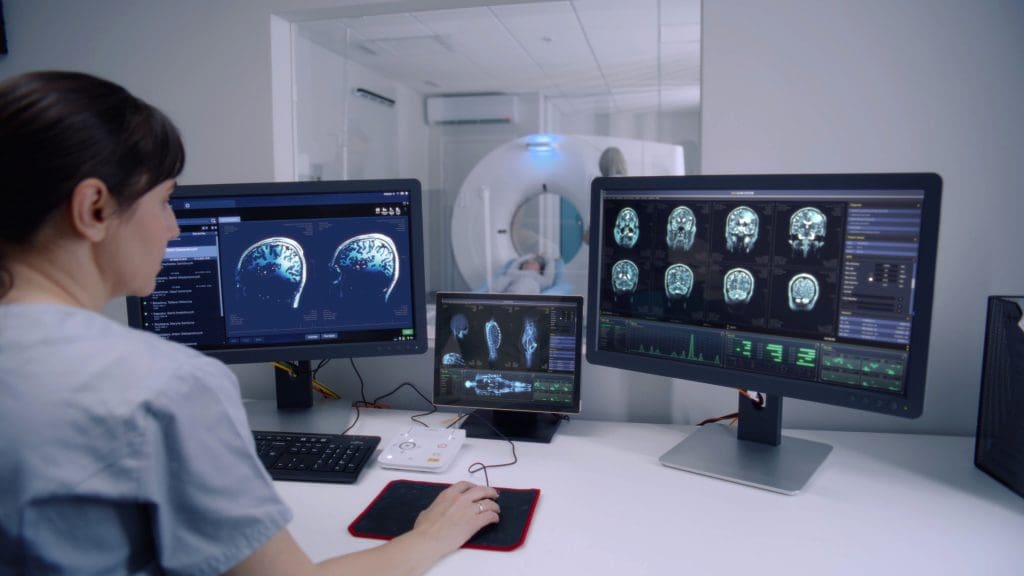
Positron Emission Tomography (PET) scans have changed medical imaging a lot. They give detailed views of what’s inside our bodies and how they work. This tool is very important in today’s medicine.
What is a Positron Emission Tomography (PET) Scan?
A PET scan is a special imaging test. It uses a radioactive sugar molecule to find where the body is most active. It’s great for spotting health issues, like cancer, by showing where the body is working hard.
How PET Scan Technology Works
The PET scan technology uses a radiotracer, a special substance that gives off positrons. When this substance is put into the body, it goes to areas that are very active. The PET scan machine catches the positrons and makes clear pictures of what’s inside us.
The PET Scan Machine: What It Looks Like
The PET scan machine looks like a big, round device that goes around the patient. It finds the gamma rays from the radiotracer when it meets electrons in the body. The machine’s smart detectors and software make detailed images of where the body is most active.
| Key Components | Description |
| PET Scan Machine | A large, cylindrical device that detects gamma rays emitted by the radiotracer. |
| Radiotracer | A substance that emits positrons and accumulates in areas of high metabolic activity. |
| Advanced Detectors | Sophisticated technology that detects gamma rays and creates detailed images. |
Knowing how PET scans work helps both patients and doctors. It shows how valuable this tool is for checking and managing health problems.
The Purpose of PET Scans in Medical Diagnostics
PET scans are key in medical diagnostics. They give insights into many health issues. They are great for spotting and tracking diseases at the molecular level.
Common Medical Conditions Requiring PET Scans
PET scans are often used for cancer, brain disorders, and heart disease. In cancer, they show how far tumors have spread and if treatments are working. For brain issues, they help find Alzheimer’s and Parkinson’s by showing where the brain isn’t working right.
Advantages of PET Scans Over Other Imaging Techniques
PET scans have a big advantage over CT or MRI scans. They show how the body’s cells are working, not just what they look like. A doctor said, “PET scans give us a peek into the body’s metabolic processes. This helps us catch and treat diseases early.”
What Does a Positive PET Scan Mean?
A positive PET scan shows areas in the body with high activity. This can mean different things, not just cancer. It’s important for both patients and doctors to understand what this means.
Defining “Positive” Results in PET Imaging
A positive PET scan shows areas with high activity. This is often seen in medical conditions, like cancer. But, it’s key to remember that a positive scan doesn’t always mean cancer.
Areas of High Metabolic Activity: Cancer vs. Non-Cancer Causes
High activity can mean cancer, but it can also mean other things like inflammation or infection. For example, infections can make the body take up more glucose, showing up as a positive scan.
Physiological Uptake vs. Pathological Findings
It’s important to tell the difference between normal and abnormal activity on a PET scan. Normal activity is seen in parts like the brain or heart. But, abnormal activity could mean disease.
Standardized Uptake Values (SUV) Explained
The Standardized Uptake Value (SUV) measures how much a radiotracer is taken up in a PET scan. A high SUV might suggest cancer, but it’s not a sure sign. Doctors look at the whole picture to understand what it means.
Here are some things to keep in mind about SUV values:
- The SUV value can change based on the radiotracer and when the scan is done.
- Higher SUV values often mean more aggressive tumors.
- But, SUV values can also be high in non-cancerous conditions.
Getting the full picture of a positive PET scan is key for making the right choices about what to do next.
PET Scans for Cancer Detection and Staging
PET scans are key in finding and understanding cancer. They show how active cells are in the body. This helps spot cancer cells.
How Cancer Appears on PET Scans
Cancer cells use more energy than normal cells. PET scans can see this. They use a special dye that lights up where cancer is.
Common Cancer Types Evaluated with PET
PET scans help with many cancers. This includes lymphoma, lung, breast, and colorectal cancer. They show how well treatments are working.
| Cancer Type | Use of PET Scan | Benefits |
| Lymphoma | Staging and monitoring treatment response | Accurate assessment of disease extent |
| Lung Cancer | Detection, staging, and assessing recurrence | Helps in planning surgery or radiation therapy |
| Breast Cancer | Assessing extent of disease and monitoring treatment | Provides information on tumor metabolism |
Limitations in Cancer Detection
PET scans are great for finding cancer, but they’re not perfect. Small tumors or slow-growing ones might not show up. They can also give false positives, showing cancer where there isn’t any.
False Positives and Their Causes
False positives happen when a scan says there’s cancer when there isn’t. This can be due to inflammation, infections, or benign tumors. It’s important to know about these to understand PET scan results correctly.
Knowing what PET scans can and can’t do helps doctors use them better in fighting cancer.
Beyond Cancer: Other Uses for PET Scans
PET scans are not just for cancer. They help diagnose many other medical conditions. Their ability to scan the body makes them very useful in different medical fields.
Neurological Applications
PET scans help find and track diseases like Alzheimer’s disease and Parkinson’s disease. They show how active the brain is. This is key in understanding these diseases. Neurological PET scans can spot things other scans can’t.
Cardiac PET Scans and Heart Disease
Cardiac PET scans check for heart problems. They see how well the heart works and find blockages in arteries. This info helps doctors decide the best treatment.
Inflammatory and Infectious Disease Evaluation
PET scans also help with inflammatory and infectious diseases. They show where the body is fighting off infection. This helps doctors find and treat problems like abscesses or infected implants.
In short, PET scans are very useful. They help in many areas, not just cancer. They are key in neurology, cardiology, and fighting infections.
After a Positive PET Scan: Next Steps in Diagnosis
Getting a positive PET scan result is a big moment. It means you need more tests to find out why the scan showed something unusual.
Follow-up Tests and Procedures
Your doctor might suggest more tests after a positive PET scan. These could be imaging tests like CT or MRI scans. They help show more details of the affected areas.
They might also do blood tests. These check for signs of disease or tumors.
Biopsy Considerations
In some cases, a biopsy is needed. This means taking a tissue sample for a closer look under a microscope.
Doctors say, “A biopsy is often the best way to diagnose cancer and other diseases.”
Consultation with Specialists
After a positive PET scan, you might see a specialist. They offer specific advice and treatment plans.
“Talking to specialists is key to understanding your diagnosis and finding the best treatments.”
Medical Oncologist
These steps are important. They help figure out why the PET scan was abnormal and plan the right treatment.
Post-PET Scan Precautions and Radioactivity Concerns
After a PET scan, it’s important to know how to stay safe. The tracer used in PET scans can stay in your body and release radiation. This could expose others to it.
How Long You Remain Radioactive After a PET Scan
The time you stay radioactive after a PET scan varies. It depends on the tracer used and how fast your body breaks it down. For Fluorine-18, a common tracer, its activity halves every 110 minutes.
Safety Precautions Around Children and Pregnant Women
Keep a safe distance from kids and pregnant women for a few hours after the scan. Even though the radiation is low, it’s better to be careful around those who are more vulnerable.
Hydration and Elimination of Radiotracer
Drinking lots of water helps get rid of the tracer faster. It’s recommended to stay hydrated and go to the bathroom often. This helps your body get rid of the tracer quicker.
| Precaution | Recommendation |
| Hydration | Drink plenty of water |
| Proximity to Vulnerable Groups | Maintain distance from children and pregnant women |
| Radiotracer Elimination | Urinate frequently |
By following these tips, you can reduce your exposure to others. It also helps your body get rid of the tracer more efficiently.
Limitations and Accuracy of PET Scans
PET scans are powerful tools for diagnosing diseases. Yet, they have some limitations that can affect their results. These factors can influence how accurate PET scans are.
False Positives: Causes and Frequency
False positives happen when a PET scan shows activity in a healthy area. This can be due to inflammation, infection, or other non-cancerous issues. The rate of false positives depends on the condition being checked and how the scan is read.
False Negatives: When Cancer Might Be Missed
False negatives occur when a PET scan misses existing disease. This might happen if the cancer is small, growing slowly, or has low activity. Some cancers, like those with low glucose uptake, might not show up well on PET scans.
Factors Affecting Scan Quality and Interpretation
Many things can affect how well a PET scan works. These include the type of radiotracer used, when the scan is done, how the patient is prepared, and the PET scanner’s tech specs. Also, the patient’s blood sugar levels and size can play a role in the scan’s results.
| Factor | Impact on PET Scan |
| Radiotracer Type | Affects the visibility of certain tissues or conditions |
| Patient Preparation | Influences the distribution and uptake of the radiotracer |
| Scanner Technical Specifications | Impacts the resolution and sensitivity of the scan |
It’s important to know about these limitations to understand PET scan results. Doctors take these factors into account when reading PET scans. This helps them make the best decisions for patient care.
Advantages and Disadvantages of PET Scans
It’s important to know the good and bad sides of PET scans. They are a key tool in medical care, with both benefits and drawbacks.
Clinical Benefits of PET Imaging
PET scans have many clinical benefits. They can spot diseases early, track how treatments work, and tell different conditions apart. They are very useful in fighting cancer, brain diseases, and heart problems.
They can find changes in how cells work. This is key in diagnosing and treating diseases.
Drawbacks and Limitations
But, PET scans have some limitations. They expose patients to radiation, are pricey, and can sometimes give wrong results. Also, they might not work for everyone, like those with certain health issues or allergies.
Cost-Benefit Considerations
Looking at the cost of PET scans is important. They are expensive, but they can help find diseases early and track treatments. This can lead to better health and might save money in the long run. Weighing the pros and cons helps make smart choices.
| Advantages | Disadvantages |
| Early disease detection | Exposure to radiation |
| Monitoring treatment response | High costs |
| Differentiating between conditions | Potential for false results |
In summary, PET scans are very helpful but have their downsides. Knowing these points is key to using them wisely in medical care.
PET Scan Results: Interpretation and Timeframe
Understanding PET scan results is key and needs a lot of skill. After a PET scan, patients wait for the results. These results can give them important information about their health.
How Long It Takes to Get Results
PET scan results usually come in a few hours to a few days. The exact time can change based on the place and how complex the scan is.
Who Interprets the Scan
A radiologist or nuclear medicine physician usually looks at PET scan results. They have the knowledge to read the scan images well and give a detailed report.
Understanding Your Radiology Report
A radiology report will show what the PET scan found. It will highlight any areas that are not working right. It’s important to talk to your doctor about these results. They can help you understand what they mean for your treatment.
Emotional and Psychological Impact of Positive PET Scans
Getting news of a positive PET scan can be very overwhelming. It affects patients emotionally and psychologically. This big event can make people feel shocked, deny it, or worry about the future.
Coping with Uncertainty and Anxiety
It’s important to deal with the uncertainty and anxiety after a positive PET scan. Patients can use stress management techniques like meditation, deep breathing, or yoga. These can help manage their feelings.
Communicating with Your Healthcare Team
Talking well with your healthcare team is key. Patients should ask questions about their diagnosis, treatment, and what to expect. This can help reduce uncertainty and anxiety.
Support Resources for Patients
There are many support resources for patients facing the emotional and psychological effects of a positive PET scan. These include support groups, counseling, and online resources. Using these can offer emotional support and helpful advice.
By recognizing the emotional and psychological effects of a positive PET scan and using available support, patients can get through this tough time.
Conclusion: Making Informed Decisions About PET Scans
Understanding what a PET scan means is key for patients with medical diagnoses. PET scans help find and manage health issues like cancer, brain disorders, and heart problems.
It’s important to know the good and bad sides of PET scans. A positive result shows active areas that might need more tests or actions.
Patients should talk to their doctors about PET scans. Discussing the scan’s purpose, possible results, and next steps helps. This way, patients can make choices that fit their health goals.
Knowing about PET scan results helps people take charge of their health. It leads to better managing health conditions and overall well-being. Making informed choices about PET scans is vital for navigating medical situations confidently.
FAQ
Can PET scans cause cancer?
The radiation from PET scans is low, and the risk of cancer from them is small. But, it’s good to talk to your doctor about any concerns.
What is a false negative PET scan?
A false negative PET scan means it misses cancer or other conditions that are there. This can happen if the cancer is small or growing slowly.
What is a false positive PET scan?
A false positive PET scan means it shows cancer or other issues when there isn’t any. This can happen due to inflammation or infection.
How long does it take to get PET scan results?
Getting PET scan results can take a few hours to a few days. This depends on how complex the scan was and how busy the doctor is.
How are PET scan results interpreted?
Doctors or specialists look at PET scan images and the patient’s history. They use this information to make a diagnosis or suggest next steps.
What is the difference between a PET scan and a CT scan?
PET scans look at how active the body’s cells are. CT scans show detailed pictures of the body’s structure. Sometimes, they’re used together (PET/CT) to get both views.
Can you eat before a PET scan?
It’s best to not eat before a PET scan. Food can affect how the tracer works and the quality of the images.
How do you prepare for a PET scan?
Before a PET scan, you might need to fast or eat a special diet. You should avoid certain medicines and remove any metal items or jewelry.
What are the side effects of a PET scan?
PET scans are usually okay, but some people might feel a bit off. This could be an allergic reaction to the tracer or feeling anxious during the scan.
How long are you radioactive after a PET scan?
The tracer in PET scans stays in the body for a few hours. The radiation levels go down over time. It’s best to stay away from kids and pregnant women for a few hours after.
Are PET scans safe?
PET scans are mostly safe. They involve a little radiation. But, the benefits usually outweigh the risks. Always talk to your doctor about any worries.
How long does a PET scan take?
A PET scan usually takes about 30 minutes to an hour. This depends on the type of scan and what’s being looked at.
What are the limitations of PET scans in cancer detection?
PET scans have some limits. They can show false positives from inflammation or infection. They might also miss small or slow-growing cancers.
Can a PET scan detect cancer?
Yes, PET scans can spot cancer by showing active areas. But, they’re not perfect. Sometimes, they might not find cancer or might show false positives.
What does a positive PET scan mean?
A positive PET scan means there’s high activity in certain areas. This could mean cancer or other issues. But, it’s important to look at the whole picture, including the patient’s history and other tests.
How does a PET scan work?
A PET scan injects a radioactive tracer into the body. This tracer goes to active areas. The scanner then picks up these signals, making detailed images of the body’s inside.
What is a PET scan used for?
PET scans help diagnose and track many health issues. These include cancer, brain disorders, and heart disease. They show how active the body’s cells are.
What is a PET scan?
A PET (Positron Emission Tomography) scan is a medical test. It uses a radioactive tracer to see how the body works. This helps doctors find and track diseases like cancer.