What Is Robotic Treatment in Physical Therapy?
Robotic Treatment at Liv Hospital represents a groundbreaking integration of advanced robotic technologies into physical therapy and rehabilitation. This innovative medical approach brings science, engineering, and patient-centered care together to deliver personalized rehabilitation solutions.
The use of robotics in therapy marks a revolutionary shift in how rehabilitation is delivered. It allows for precise, consistent, and measurable results that traditional methods alone cannot always achieve. This technology supports patients recovering from a wide range of conditions such as neurological disorders, stroke, spinal cord injury, orthopedic surgery recovery, and balance impairments.
By combining robotic systems with physiotherapists’ clinical expertise, Liv Hospital helps both children and adults regain independence, mobility, and confidence. Robotic therapy doesn’t just aim for recovery it helps patients rebuild their quality of life, providing new hope for functional restoration and long-term well-being.
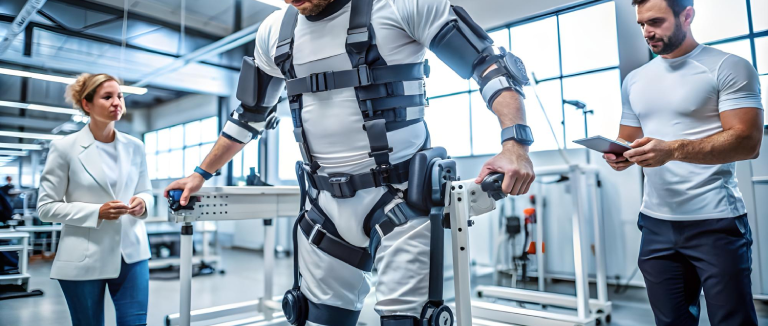
Why Choose Robotic Rehabilitation?
Precision and Personalization
Robotic Treatment is known for being precise, flexible, and able to meet each patient’s specific needs. During therapy, the system tracks every movement as it happens and can adjust resistance, speed, range of motion, and support as needed. This helps keep each exercise safe, controlled, and effective, lowering the risk of overexertion or injury.
At Liv Hospital, advanced Robotic Treatment systems help create personalized rehabilitation programs that change as the patient improves. Specialists use sensor data and performance results from each session, so therapists can design exercises that match each person’s recovery goals. This personal approach helps patients regain movement, build strength, and improve coordination, often faster than with traditional therapy alone.
Data-Driven, Measurable Progress
Another major advantage of Robotic Treatment is objective, data-based progress tracking. The robotic devices gather detailed information such as:
- Range of motion
- Force applied
- Speed of movement
- Repetition count
- Symmetry and quality of motion
Therapists use this data to make immediate adjustments to therapy plans and to measure progress with scientific accuracy. It also helps patients see their improvement visually, keeping them motivated and engaged throughout the rehabilitation journey. The transparency provided by Robotic Treatment strengthens communication between the care team and the patient, creating a more collaborative recovery experience.
Who Can Benefit?
Robotic rehabilitation is especially beneficial for individuals with::
- Neurological conditions, such as stroke, cerebral palsy, and multiple sclerosis
- Orthopedic issues requiring post-surgical rehabilitation
- Balance or mobility difficulties related to aging
- Rehabilitation following amputations or traumatic injuries
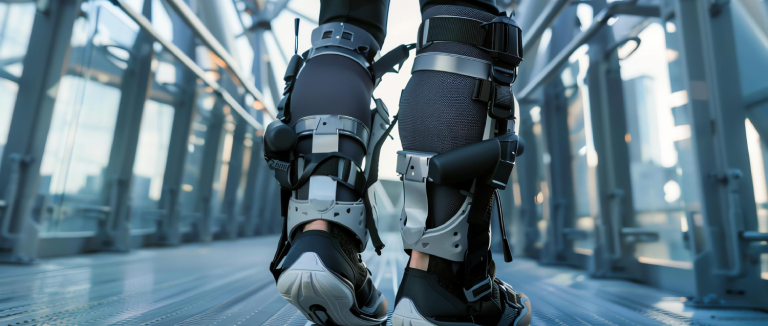
Advanced Robotic Solutions for Better Recovery
At Liv Hospital, we use advanced robotic technologies, each created for a specific rehabilitation goal. These systems help patients recover better, become more independent, and improve their ability to handle daily activities.
Walking Robots (Exoskeletons)
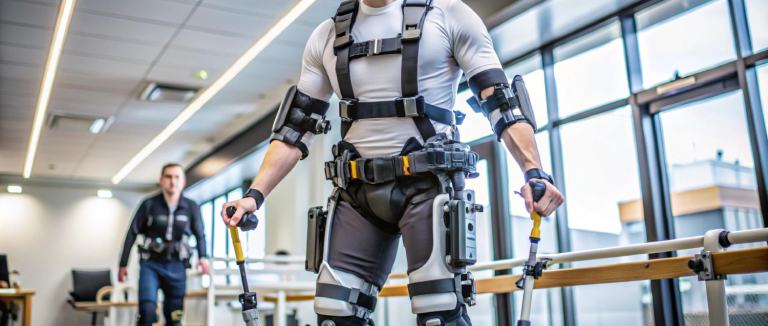
Robotic exoskeletons mimic natural walking, so patients who have lost mobility from neurological injury or illness can Robotic exoskeletons, one of the most innovative components of Robotic Treatment, replicate natural walking patterns. They help patients who have lost mobility due to neurological injury or illness practice walking safely and frequently. The device supports body weight, guides the legs, and improves:
- Muscle activation
- Step coordination
- Gait symmetry
- Balance
- Endurance
By repeating walking movements, the brain forms new neural connections—a process known as neuroplasticity. Over time, patients often regain better walking ability, improved posture, and increased stamina.
Shoulder and Arm Robots
For individuals experiencing upper limb weakness due to stroke, injury, or surgery, shoulder and arm robots provide repeated, controlled, and safe movements. These devices guide the arm through therapeutic exercises that strengthen the shoulder, elbow, wrist, and hand.
Robotic Treatment in upper-limb rehabilitation helps patients regain fine motor skills, such as grasping, writing, feeding, grooming, and dressing. These improvements significantly increase independence and support a more active daily life.
Balance and Coordination Devices
Robotic balance systems use platforms, sensors, and feedback screens to help improve posture and balance. These devices work well for patients recovering from neurological, inner ear, or bone and joint conditions.
By safely challenging the body to adjust to moving surfaces, these systems help:
- Reduce fall risk
- Improve postural stability
- Enhance body awareness
- Strengthen lower-body muscles
Robotic Beds for Early Mobilization
For patients who are bedridden or have trouble moving, robotic beds provide early support for getting active. These systems help patients sit up, turn, stand slowly, or move safely to prevent problems like:
- Pressure sores
- Muscle wasting
- Poor circulation
- Lung infections
Robotic beds make patients more comfortable and help them recover faster, especially in intensive care or after major surgery.
Advantages Beyond Physical Recovery
Motivation Through Gamification
At Liv Hospital, Robotic Treatment does more than help with physical rehabilitation. It also supports the emotional and motivational sides of recovery. By adding game-like features, therapy becomes interactive and enjoyable for patients.
Patients get real-time visual feedback, can track their performance, and reach achievement milestones. These features help them stay focused and excited about their progress.
Enhanced Cognitive and Emotional Benefits
Robotic rehabilitation helps with physical recovery and also boosts brain activity and mental focus. Many patients say they feel better, can concentrate more, and gain confidence as they regain their abilities. This mind-body connection leads to a more complete healing experience, supporting both physical and emotional health.
Supporting Therapists with Smart Technology
Robotic systems also help therapists by reducing the physical effort needed for repetitive tasks. This allows therapists to spend more time creating personalized rehab plans, reviewing patient data, and giving hands-on support when needed.
By combining human expertise with robotic precision, patients get the best possible care, along with safety, comfort, and efficiency.
* Liv Hospital Editorial Board has contributed to the publication of this content .
* Contents of this page is for informational purposes only. Please consult your doctor for diagnosis and treatment. The content of this page does not include information on medicinal health care at Liv Hospital .
For more information about our academic and training initiatives, visit Liv Hospital Academy
Frequently Asked Questions Robotic Treatment
How does robotic therapy differ from traditional physical therapy?
Robotic therapy uses advanced devices to deliver precise, controlled, and repeatable movements tailored to each patient. While traditional physical therapy relies on manual techniques, exercise programs, and therapist guidance, robotics provides consistency and data-rich feedback. Therapists remain central; they design the plan, interpret the data, and ensure functional carryover.
Are robotic physical therapy treatments painful?
They are typically not painful. Systems are programmed to keep movements within a safe, comfortable range. Mild discomfort can occur when regaining range or strength after surgery or injury. A licensed therapist supervises each session and adjusts assistance and intensity to match the patient’s tolerance and goals.
Who is a good candidate for robotic rehabilitation?
Candidates include people with stroke, cerebral palsy, multiple sclerosis, Parkinson’s disease, spinal cord injury, post-surgical orthopedic conditions, balance disorders related to aging, amputations, and traumatic injuries. Suitability depends on medical stability, safety considerations, and functional goals determined in a comprehensive evaluation.
What types of robots are used in therapy?
Common categories include walking robots (exoskeletons and gait trainers), upper-limb robots for shoulder, elbow, wrist, and hand function, balance platforms with biofeedback, and robotic beds for early mobilization and pressure sore prevention. Your care team selects devices based on your diagnosis and goals.
How is progress measured?
Progress is tracked using objective device metrics (range of motion, speed, force, symmetry, repetitions) alongside clinical scales and functional tests (walking distance, balance scores, independence in activities of daily living). This combination allows precise, transparent tracking over time and supports timely adjustments.
How long does a robotic rehabilitation program take?
How long robotic rehab takes depends on your condition, your goals, and how you respond to therapy. Some people notice changes in a few weeks, while others with more complex issues may need a longer program. Your plan is checked often, and therapy is adjusted based on your progress, safety, and results.
Does robotic therapy replace conventional therapy?
No, robotic therapy does not replace regular therapy. Instead, it works alongside traditional methods. Robots give you steady practice and helpful feedback, while therapists offer hands-on care, special exercises, education, and training for daily activities. The best results come from using both together.