Stem cells can develop into many cell types and act as the body’s repair system. They replace or restore damaged tissues, offering new possibilities for treating diseases.
Overview and definition
Stem cells are special cells with the unique ability to develop into many different cell types, from muscle to brain cells. They serve as the body’s internal repair system. This potential allows them to replace or repair damaged tissues and cells, offering new avenues for treating various diseases. This field, known as regenerative medicine, leverages the unique properties of stem cells to heal the body from within.

The Unique Properties of Stem Cells

Stem cells are distinguished by two key characteristics:
- Self-Renewal: They can divide and renew themselves many times, producing more stem cells.
- Differentiation: Under specific conditions, they can be induced to become specialized cells with specific functions, such as blood cells, heart muscle cells, or nerve cells.

Main Types of Stem Cells

There are several types of stem cells, each with different capabilities and sources:
- Embryonic Stem Cells (ESCs): These cells are derived from embryos. They are pluripotent, meaning they can differentiate into any cell type in the body.
- Adult Stem Cells (ASCs): These cells are found in small numbers in most adult tissues, such as bone marrow or fat. They are multipotent, meaning they can differentiate into a limited range of cell types related to their tissue of origin. For example, hematopoietic stem cells (in bone marrow) can form all kinds of blood cells.
Induced Pluripotent Stem Cells (iPSCs): These are adult cells (like skin cells) that have been genetically reprogrammed in a laboratory to behave like embryonic stem cells.
What is Regenerative Medicine?
Regenerative medicine is a branch of medicine that focuses on developing methods to regrow, repair, or replace damaged or diseased cells, organs, or tissues. Stem cell therapy is a cornerstone of this field, offering the potential to treat conditions previously considered incurable by providing a source of healthy new cells.

What Really Causes Cancer and Who Is at Risk
Cancer develops through the interaction of multiple factors including genetics, lifestyle, age and environmental exposures. Because every person has a unique risk profile, our specialists at Liv Hospital take time to evaluate these elements individually. We guide patients toward healthier lifestyle choices, early screening methods and practical preventive strategies. By transforming knowledge into action, we help you take meaningful steps toward protecting your long term health and well being.
At Liv Hospital, we believe that empowerment begins with understanding. While cancer is a complex disease with no single cause, our knowledge of contributing risk factors is constantly growing. We recognize that a combination of factors from genetic predispositions to lifestyle choices and environmental influences plays a role in its development. Our approach is proactive and personalized. The dedicated experts at Liv Hospital work with you to assess your individual risk profile and provide compassionate, practical guidance on lifestyle modifications. We partner with you to transform awareness into action, helping you take meaningful steps to safeguard your long-term health and well-being.
30
Years of
Excellence
Trusted Worldwide
With patients from across the globe, we bring over three decades of medical expertise and hospitality to every individual who walks through our doors.
Book a Free Certified Online
Doctor Consultation
[elementor-template id=”207591″]
Table of Contents
[elementor-template id=”211216″] 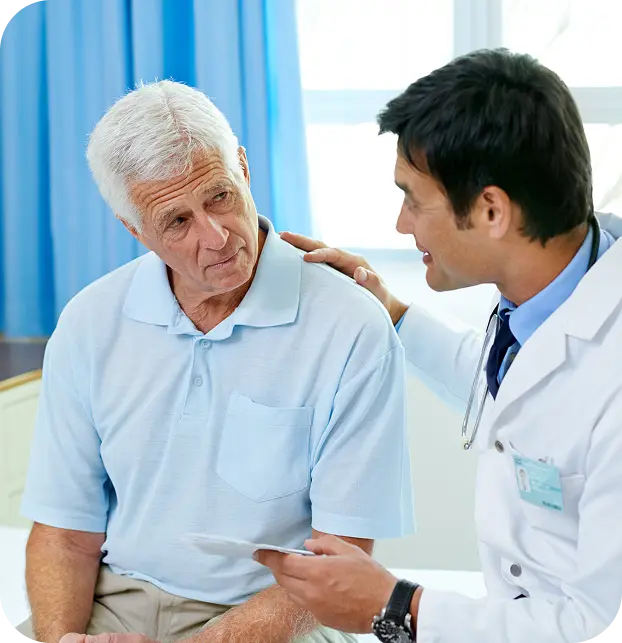
Conditions Treated and Therapeutic Potential
The primary reason for using stem cells is their ability to repair or replace damaged tissue. While much of the field remains experimental, some stem cell therapies are well-established and standard of care. The potential applications of stem cells continue to grow as research expands.
MEETING WITH THE DOCTOR
Established and Proven Stem Cell Treatments
The most common and fully established form of stem cell therapy is the hematopoietic stem cell transplant (HSCT), also known as a bone marrow transplant. This procedure is used to treat:
- Blood cancers (leukemias, lymphomas)
- Myeloma
- Certain genetic blood disorders, such as sickle cell anemia and thalassemia
- Some immune system disorders. In this therapy, the patient’s diseased bone marrow is replaced with healthy stem cells.
Promising Areas of Research
Research is actively exploring the use of stem cells for a wide range of debilitating conditions. While many of these applications are not yet standard treatment, they show significant promise:
- Neurological Diseases: Treating conditions like Parkinson’s disease, Alzheimer’s, and spinal cord injury by replacing damaged neurons.
- Heart Disease: Repairing the heart muscle damaged by a heart attack.
- Type 1 Diabetes: Replacing the insulin-producing cells in the pancreas.
- Orthopedic Conditions: Regenerating cartilage in joints for severe osteoarthritis or repairing bone.
Understanding Clinical Trials
For many conditions, stem cell therapies are only available through clinical trials. These are research studies designed to test the safety and effectiveness of a new treatment. Participation in a trial is a way to access new therapies while contributing to medical science, but it also carries unique risks and criteria.
Evaluation for Stem Cell Therapy

Determining if a patient is a suitable candidate for stem cell therapy is a rigorous process. It is not a one-size-fits-all solution. Doctors must first confirm the specific diagnosis and establish that conventional treatments have failed or are unsuitable. A thorough evaluation includes a complete medical history, physical examination, and advanced imaging. Blood tests and genetic screening are often required to match donor cells (if allogeneic) or to assess the health of the patient’s own cells (if autologous). This comprehensive assessment ensures both safety and the potential for a successful outcome.
Autologous vs. Allogeneic Therapy
The source of the stem cells is a critical factor in the evaluation process:
- Autologous Therapy: The stem cells are harvested from the patient’s own body (e.g., from their bone marrow or blood). This eliminates the risk of immune rejection.
Allogeneic Therapy: The stem cells are taken from a compatible donor. This is common in bone marrow transplantation.
The Importance of HLA Matching

In allogeneic transplantation, the donor’s immune markers must closely match the patient’s. This is determined by a blood test called Human Leukocyte Antigen (HLA) typing. A close match is essential to prevent two major complications: graft failure (where the patient’s body rejects the new cells) and Graft-versus-Host Disease (GVHD), where the donor’s immune cells attack the patient’s body.
Assessing Patient Fitness
Procedures like bone marrow transplants are intensive. They often require high-dose chemotherapy or radiation before the transplant to clear out the diseased cells. The medical team must conduct a thorough assessment of the patient’s overall health, including heart, lung, liver, and kidney function, to ensure they are strong enough to tolerate the procedure.
Stem Cell Therapy Procedures

Stem cell treatments vary significantly based on the condition. The most established method is the hematopoietic stem cell transplant (HSCT), commonly known as a bone marrow transplant. In this procedure, high-dose chemotherapy is used to eliminate diseased cells, followed by an infusion of healthy stem cells. In regenerative medicine, cells may be processed in a lab and then delivered directly to the site of injury, such as injection into a damaged heart or joint.Cancer is a complex disease, but with accurate diagnosis, personalised treatment and a supportive environment, every patient has a path toward healing. Liv Hospital is committed to walking beside you from the first examination to long term follow up. Our expert teams, advanced technologies and international care standards ensure that you receive safe, effective and compassionate treatment at every stage of the process. You can contact us today to start your evaluation, book a free certified online doctor consultation or send your medical reports for review.
Harvesting and Processing Stem Cells
Before they can be used, stem cells must be collected.
- Bone Marrow Harvest: This is a short surgical procedure performed under anesthesia in which cells are harvested from the hip bone.
- Peripheral Blood Stem Cell (PBSC) Collection: The donor receives injections to make their stem cells move from the bone marrow into the bloodstream. The blood is then drawn and processed through a machine (apheresis) that separates and collects the stem cells.
- Laboratory Processing: Once collected, the cells are often processed in a specialized clean-room laboratory (GMP facility) to concentrate the stem cells and ensure their safety for infusion.
The Transplantation or Infusion Process
The delivery method depends on the goal.
- HSCT: The healthy stem cells are given to the patient through an intravenous (IV) line, similar to a blood transfusion. The cells automatically travel to the bone marrow, where they begin to grow and produce new, healthy blood cells.
- Regenerative Delivery: For other applications, cells may be delivered via a catheter (e.g., into the heart) or a direct injection (e.g., into a knee joint).
Recovery and Engraftment
After an HSCT, the patient enters a critical recovery period. The immune system is severely weakened, requiring a hospital stay in a protected environment to prevent infection. Engraftment is the process by which the new stem cells settle into the bone marrow and start making new cells. This is monitored with daily blood tests and typically takes two to four weeks.
The Medical Center
Liv Hospital is at the forefront of cellular therapy, particularly in established treatments like bone marrow transplantation. Our dedicated department combines internationally recognized hematologists and oncologists with a state-of-the-art laboratory infrastructure. We adhere to the strictest international protocols for cell processing, safety, and patient care. Our multidisciplinary approach ensures that every patient is evaluated for the most appropriate and advanced therapeutic options available, prioritizing both safety and efficacy in this rapidly evolving field.v
Our Expertise in Bone Marrow Transplantation
Our Bone Marrow Transplant (BMT) unit is a center of excellence, managed by a highly experienced team of hematologists-oncologists. We specialize in both autologous and allogeneic transplants for a wide range of blood cancers and genetic disorders. Our team has a proven track record of managing complex cases, with a focus on successful engraftment and long-term patient survival.
State-of-the-Art Cellular Processing
The safety and viability of stem cells are paramount. Our center features an advanced, certified Good Manufacturing Practice (GMP) laboratory. This “clean-room” facility enables our specialists to process, concentrate, and store stem cells in accordance with the highest international quality standards, ensuring that every patient receives a safe, viable cellular product.
Book a Free Certified Online
Doctor Consultation
[elementor-template id=”207591″] 
FREQUENTLY ASKED QUESTIONS
What are the common side effects of chemotherapy?
I am item content. Click edit button to change this text. Lorem ipsum dolor sit amet, consectetur adipiscing elit. Ut elit tellus, luctus nec ullamcorper mattis, pulvinar dapibus leo.
How can I manage my diet during treatment?
I am item content. Click edit button to change this text. Lorem ipsum dolor sit amet, consectetur adipiscing elit. Ut elit tellus, luctus nec ullamcorper mattis, pulvinar dapibus leo.
What is immunotherapy and is it right for me?
I am item content. Click edit button to change this text. Lorem ipsum dolor sit amet, consectetur adipiscing elit. Ut elit tellus, luctus nec ullamcorper mattis, pulvinar dapibus leo.
How long will my recovery take after surgery?
I am item content. Click edit button to change this text. Lorem ipsum dolor sit amet, consectetur adipiscing elit. Ut elit tellus, luctus nec ullamcorper mattis, pulvinar dapibus leo.
What support services are available for patients and families?
I am item content. Click edit button to change this text. Lorem ipsum dolor sit amet, consectetur adipiscing elit. Ut elit tellus, luctus nec ullamcorper mattis, pulvinar dapibus leo.

RELATED VIDEOS
https://www.youtube.com/watch?v=XHOmBV4js_E
Understanding Your Cancer Diagnosis: A Beginner’s Guide
This video breaks down the basics of a cancer diagnosis, explaining common terms, what to expect, and questions to ask your doctor. A gentle introduction for newly diagnosed patients.
https://www.youtube.com/watch?v=XHOmBV4js_E
Navigating Treatment Side Effects: Tips for Comfort
Learn practical strategies and expert advice on managing common side effects like fatigue, nausea, and pain during cancer treatment. Find ways to improve your daily comfort and well-being.
https://www.youtube.com/watch?v=XHOmBV4js_E
Life Beyond Cancer: Thriving in Survivorship
Explore the journey of cancer survivorship, focusing on emotional recovery, long-term health, and embracing a fulfilling life after treatment. Hear inspiring stories and expert insights.
[elementor-template id=”211456″][elementor-template id=”186412″]