Did you know that lung cancer is one of the most common types of cancer worldwide? It causes millions of deaths each year.
A Positron Emission Tomography (PET) scan is a key tool in finding and managing lung cancer. What is a PET scan of the lungs? It’s a safe and effective way to diagnose and understand lung conditions, including cancer.
At our institution, we know how vital accurate diagnosis and treatment are. A PET scan for lungs helps detect abnormal activity that could signal lung cancer or other issues.
Key Takeaways
- PET scans help diagnose and stage lung cancer.
- A PET scan is a non-invasive diagnostic tool.
- Accurate diagnosis is key for good treatment.
- PET scans spot abnormal activity in the lungs.
- Our institution offers top medical treatments for international patients.
Understanding PET Scans: Basic Principles and Technology
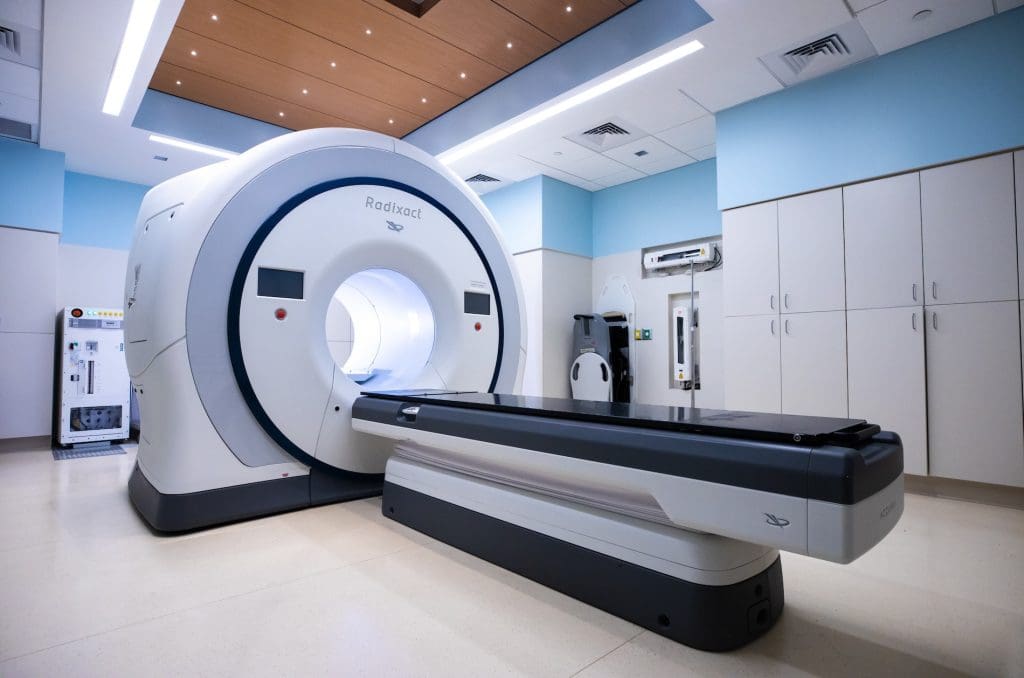
PET scans use special tracers to see how the body works. PET scan technology is key in finding and treating diseases, like cancer. We’ll look at how PET scans work, the role of tracers, and their history.
How Positron Emission Tomography Works
PET scans detect energy from tracers in active body areas. These tracers decay, sending out gamma rays. The scanner catches these rays to show body details and functions.
First, a tracer like fluorodeoxyglucose (FDG) is injected. It goes to cells that are busy, like cancer cells. This makes them show up on the scan.
The Role of Radioactive Tracers
Tracers are essential for PET scans. They show how the body works. By picking the right tracer, doctors can focus on what they need to see.
- FDG (Fluorodeoxyglucose): The most used tracer, FDG shows how cells use glucose.
- Other Tracers: Tracers like fluorothymidine (FLT) help see how fast cells are growing.
Development and History of PET Technology
PET technology started in the 1950s and 1960s. Early scanners were made then. Now, thanks to new tech, PET scans are better than ever.
Today, PET scans are vital in many fields. They help doctors make better treatment plans. As tech keeps getting better, PET scans will help even more.
PET Scan Lung Cancer: Detection and Diagnosis
Lung cancer detection has improved with PET scans. These scans show the body’s metabolic processes. They are key in oncology imaging, helping spot lung cancer by showing cell activity.
How PET Scans Identify Cancerous Cells
PET scans find cancer by looking at cell activity. Cancer cells use more glucose than normal cells. This is why PET scans use a glucose tracer to highlight tumors.
A small amount of radioactive glucose is injected into the body. Cancer cells take it up, and the PET scan shows where. This helps doctors see tumors and how far the cancer has spread.
Advantages Over Other Imaging Techniques
PET scans have big advantages over CT scans for lung cancer. They show how tissues are working, not just their shape. This is great for finding tumors and seeing how cancer has spread.
They can also spot cancer in lymph nodes or other areas that CT scans miss. This helps doctors understand the cancer better and plan treatment.
Metabolic Activity Assessment
PET scans are great for looking at tumor activity. They measure how much tracer a tumor takes up. This tells doctors how aggressive the cancer is.
The Standardized Uptake Value (SUV) shows how much tracer a tumor takes. A higher SUV means the cancer is more aggressive. This helps doctors know how severe the disease is and how well it’s responding to treatment.
The Difference Between PET, CT, and PET/CT Hybrid Scans
It’s important for patients to know the differences between PET, CT, and PET/CT scans. Each has its own strengths and benefits for diagnosing health issues.
Standalone PET Scans
PET scans are great for seeing how tissues and cells work. They use a special tracer to find areas that are very active. This is often a sign of cancer.
Because of this, PET scans are excellent for catching cancer early.
CT Scan Capabilities
CT scans give detailed pictures of the body’s inside. They’re good at finding problems like tumors and seeing how far disease has spread. CT scans help doctors understand the size and where tumors are.
Benefits of Combined PET/CT Technology
PET/CT scans mix the best of both worlds. They use PET’s metabolic info and CT’s detailed images. This combo makes diagnosis more accurate and helps plan treatments better.
In short, PET, CT, and PET/CT scans each have their own uses. Knowing these differences helps patients make better choices in their health care.
Common Reasons Why Doctors Order PET Scans for Lungs
PET scans are often used to diagnose and manage lung cancer. This process might seem scary, but PET scans are key for accurate diagnoses and treatment plans.
Initial Cancer Diagnosis
Doctors often use PET scans to first find lung cancer. These scans spot cancer by showing where cells are most active. This helps find cancer early, even before symptoms show.
Key benefits of PET scans in initial diagnosis include:
- High sensitivity in detecting cancerous tissues
- Ability to identify cancer spread to other parts of the body
- Guiding biopsy decisions for more accurate tissue sampling
Staging and Treatment Planning
After finding cancer, PET scans help stage it. Staging is key to know how far cancer has spread and plan treatment. We use PET scans to see if cancer has reached lymph nodes or other organs, which affects treatment choices.
“PET/CT has become an essential tool in the staging of lung cancer, providing critical information that guides treatment planning and improves patient outcomes.”
Journal of Clinical Oncology
Monitoring Treatment Response
PET scans also check if cancer treatment is working. They show if treatment is effective or if changes are needed. This helps us make quick decisions to adjust treatment plans.
Recurrence Detection
After treatment, PET scans find if lung cancer comes back. Finding cancer early means we can act fast, which can help improve outcomes. We suggest regular PET scans for long-term cancer care.
Understanding why doctors order PET scans helps patients see their importance. We aim to provide top-notch diagnostic services for lung cancer care.
Preparing for Your Lung PET Scan
Getting ready for a lung PET scan involves several steps. These steps help make sure the scan goes well and gives accurate results. We’ll guide you through what to do and what to expect.
Dietary Restrictions Before the Scan
Following dietary restrictions is key before your lung PET scan. Usually, you’ll need to fast for a while before the scan, but you can drink water. Also, avoid sugary foods and drinks as they can mess with the scan’s tracer.
Try to eat low-carb foods for a day or two before. This can make the scan images better. Also, skip hard exercise for a day before to help the tracer work right.
Medication Considerations
Tell your healthcare provider about all your medications. Some might need to be changed or stopped before the scan. Some meds can mess with the scan results, so it’s important to follow your provider’s advice.
We’ll help make sure your meds won’t interfere with the scan. If you have diabetes, we’ll give you special instructions. This is because diabetes meds and insulin can change your blood sugar and affect the scan.
What to Wear and Bring
Wear comfy, loose clothes on the day of your scan. Avoid metal things like jewelry, zippers, or clips as they can mess with the scan. You might get a gown to wear during the scan.
Bring any important medical records, insurance info, and a list of your meds. If you have questions, just ask our staff for help.
The Complete PET Scan Procedure: What to Expect
Knowing what to expect from a PET scan can ease your worries. We get that getting a diagnostic test can feel scary. But, knowing the steps can make it easier.
Tracer Injection Process
The PET scan starts with a tracer injection in your arm. This tracer, often FDG, is taken up by your body’s cells. Areas with more activity take up more tracer. The injection is quick and might feel a bit sharp.
Tracer Characteristics: The tracer is designed to be taken up by cells based on their activity. Cancer cells, with their high activity, take up more. This makes them stand out during the scan.
Waiting Period and Why It’s Necessary
After the injection, you wait for 30 to 60 minutes. This lets the tracer spread evenly in your body. It’s key for getting clear and useful images.
While waiting, stay as quiet and motionless as possible. This helps avoid extra tracer in muscles or other areas. It keeps the scan accurate.
During the Scanning Process
After waiting, you’ll lie down on a table that slides into the PET scanner. The scanner captures images of the tracer in your body. These images help diagnose and assess your condition.
The scan itself is painless and can last from a few minutes to an hour. It depends on the area scanned and your test’s needs.
Duration and Positioning
During the scan, you must stay very quiet and not move. The scan’s length varies, but the whole process takes a few hours.
| Procedure Step | Duration | Description |
| Tracer Injection | 1-2 minutes | Injection of radioactive tracer into a vein. |
| Waiting Period | 30-60 minutes | Time allowed for tracer absorption. |
| Scanning Process | 15-60 minutes | Actual scanning time, varying by area and requirements. |
Understanding the PET scan process can make it less scary. We’re here to support you every step of the way.
PET Scan Aftercare and Recovery
After a PET scan, knowing how to take care of yourself is key. We’re here to help you through the steps to stay safe and comfortable.
Immediate Post-Scan Guidelines
Drink lots of water right after your PET scan to get rid of the tracer. Also, stay away from pregnant women and young kids for a few hours to avoid radiation.
Key actions to take immediately after the scan include:
- Drink plenty of fluids
- Avoid close contact with vulnerable individuals
- Resume your normal diet unless instructed not to
Radiation Clearance from Your Body
The tracer in PET scans leaves your body fast. Most of it is gone in a few hours, mainly through urine and feces. Make sure to wash your hands well after using the bathroom.
When to Resume Normal Activities
You can usually go back to your normal routine soon after the scan, unless told not to. Always listen to your healthcare team’s advice on rest, meds, or follow-ups.
Having a PET scan can be stressful. We’re here to support you every step of the way. If you’re worried or have questions, please contact us.
Interpreting PET Scan Results for Lung Conditions
Understanding PET scan results for lung conditions can be tricky. But it’s key for getting a correct diagnosis and treatment plan. A PET scan shows how active our body’s tissues are.
Understanding SUV Values
The Standardized Uptake Value (SUV) is a key part of PET scan results. It shows how much an area of the body takes up the tracer compared to the average. A higher SUV value often means more activity, which can be cancer. But, SUV values can change based on the tracer and the patient’s blood sugar.
What “Hot Spots” Indicate
“Hot spots” in PET scans show areas with more tracer uptake. These areas are highlighted and often mean high activity. Hot spots are usually cancerous because they have high metabolic rates. But, not all hot spots are cancer; inflammation or infection can also cause them.
Limitations in Interpretation
PET scans are very useful, but they have limits. Small tumors or those with low activity might not show up. Also, false positives can happen due to inflammation or other conditions. Healthcare professionals must look at the whole picture when interpreting results.
Timeframe for Receiving Results
How long it takes to get PET scan results varies. It depends on the facility’s workload and the scan’s complexity. Usually, results come in a few days to a week. It’s important for patients to talk to their healthcare provider about the results.
Understanding PET scan results needs a deep grasp of the technology and its uses. Knowing about SUV values, hot spots, and the scan’s limits helps patients on their diagnostic journey.
PET Scan Accuracy and Reliability in Lung Cancer Detection
PET scans are key in finding lung cancer. They give us the info we need to diagnose and treat it.
Sensitivity and Specificity Rates
PET scans are very good at spotting lung cancer. Sensitivity is when the test finds the disease correctly. Specificity is when it misses the disease correctly.
Research shows PET scans are 90-95% sensitive and 80-85% specific. This means they’re very good at finding lung cancer. But, they can sometimes miss it or say it’s there when it’s not.
False Positives and False Negatives
False positives happen when a scan says there’s cancer when there isn’t. This causes worry and more tests. False negatives happen when a scan misses cancer. This can delay treatment.
- False positives can be due to inflammation, infection, or other non-cancerous issues.
- False negatives can be due to small tumors, low activity, or scan problems.
What Lung Cancer Types Can PET/CT Miss
PET/CT scans are very good, but they’re not perfect. Some lung cancers are harder to see because they don’t take up much activity.
- Carcinoid tumors, which grow slowly, might not show up well on PET scans.
- Adenocarcinoma in situ, a non-invasive lung cancer, can be tricky to spot.
Knowing what PET scans can’t find is important. It helps us understand the results better and make better treatment plans.
Radiation Exposure: How Much Radiation is in a PET Scan?
Thinking about a PET scan for lung health brings up concerns about radiation. We get it; patients want to know about safety and risks. A PET scan uses small amounts of radioactive tracers to check for health issues, like lung cancer.
Comparing PET Scan Radiation to Other Sources
A PET scan gives about 7 millisieverts (mSv) of radiation. This is similar to a CT scan of the chest. But it’s more than a chest X-ray, which is only 0.1 mSv.
Cumulative Radiation Concerns
Keeping track of total radiation is key. We record each patient’s dose to keep it low. This is vital for those needing many scans.
Safety Protocols in Place
We follow strict rules to cut down radiation. We use the least amount of tracer needed and train everyone in safety. We also follow rules from regulatory bodies to protect everyone.
Knowing about PET scan radiation helps patients make better choices. We aim to give top-notch care while keeping patients safe.
Safety Concerns and PET Scan Safety
It’s important to know about PET scan safety. These scans are useful for diagnosing but involve radiation and radioactive tracers. This means we need to think about their risks and side effects carefully.
Short-term Side Effects
Most people don’t have big problems right after a PET scan. But, some might get allergic reactions. This could be itching, rash, or trouble breathing. It’s key to tell your doctor about any allergies before the scan. The spot where the tracer was injected might also get a bit sore or swollen.
Long-term Considerations
Long-term, the main worry is radiation. Even though one PET scan is usually safe, too much over time might raise cancer or health risks. We’ll look into this more in the next parts.
Can PET Scans Cause Cancer?
Whether PET scans can lead to cancer is a tricky question. They do use radiation, which can cause cancer, but the risk from one scan is small. But, if you have many scans, the risk could grow. It’s important to think about the benefits and risks for each person.
Patient Populations at Higher Risk
Some groups face more risks with PET scans. This includes pregnant women, breastfeeding moms, and kids. Pregnant women should only get PET scans if really needed, to protect the baby. Moms who are breastfeeding might need to stop for a while because the tracer can get into milk. Kids are extra sensitive to radiation because their bodies are growing.
Frequency Limitations: How Often Can You Have a PET Scan?
Knowing how often you can have a PET scan is key for cancer patients and doctors. PET scans help in finding and tracking cancer. But, they must be used carefully to avoid too much radiation.
Guidelines for Cancer Patients
The number of PET scans for cancer patients depends on their cancer type, stage, and treatment. PET scans are used at specific times to check if treatment is working or if cancer has come back. It’s important to follow the schedule set by your doctor, as it’s made just for you.
The rules for when to have a PET scan include:
- Initial diagnosis and staging
- After treatment to see how it worked
- During follow-up to watch for cancer coming back
Lifetime Exposure Considerations
Thinking about the total radiation from PET scans over a person’s life is important. It’s a balance between getting accurate results and the risks of radiation. We plan PET scans carefully to keep doses low while getting the most information.
Balancing Diagnostic Benefits with Radiation Exposure
It’s important to weigh the good of PET scans against the risk of radiation. New PET technology means lower radiation doses, making scans safer. We always think about whether each scan is really needed for each patient.
In short, while there are rules for PET scans, each decision is unique. We work with patients to find the best timing for PET scans as part of their treatment plan.
PET Scans for Different Stages of Lung Cancer
PET scans are key in managing lung cancer. They give detailed insights at various stages. We use them to see how far cancer has spread, check how well treatments work, and spot cancer coming back.
Early-Stage Detection Capabilities
Finding lung cancer early is vital for good treatment. PET scans spot cancer cells before symptoms show. This early catch leads to better patient results.
Advanced and Stage 4 Cancer Assessment
PET scans are very helpful in advanced stages. They show how far cancer has spread. This info helps doctors plan the best treatment.
Recurrence Monitoring
After treatment, PET scans watch for cancer coming back. They help find it early, when it’s easier to treat.
Treatment Response Evaluation
PET scans also check if cancer is responding to treatment. This helps doctors adjust plans for better results. It’s key for effective treatment.
| Stage of Lung Cancer | Role of PET Scan |
| Early Stage | Detection of cancerous cells before symptoms appear |
| Advanced Stage | Assessment of cancer spread for treatment planning |
| Post-Treatment | Monitoring for recurrence |
| During Treatment | Evaluation of treatment response |
PET scans are essential at every lung cancer stage. They help us give detailed care for each patient. Whether it’s finding cancer early, checking advanced disease, watching for recurrence, or seeing how treatments work, PET scans are vital in fighting lung cancer.
Cost Factors and Insurance Coverage for Lung PET Scans
PET scans are a valuable tool for diagnosing lung conditions. But, they can be expensive. It’s important to know what affects their cost. This includes the scan itself, interpretation fees, and other services.
Average Costs in the United States
In the United States, PET scan costs vary. They can range from $1,000 to $5,000 or more. This depends on the facility, location, and scan specifics.
| Service | Range | |
| PET Scan | $1,000 – $5,000 | |
| Interpretation Fees | $100 – $500 | |
| Facility Fees | $200 – $1,000 |
Insurance Reimbursement Policies
Insurance coverage for PET scans varies.
- Private Insurance: Coverage varies by plan; some may require pre-approval.
- Out-of-Pocket: Patients may need to pay deductibles, copays, or coinsurance.
Why PET Scans Are Expensive
PET scans are costly due to several reasons. The technology is complex. Specialized equipment and trained staff are needed. The radioactive tracer also adds to the cost.
Financial Assistance Options
For those facing financial challenges, help is available. Hospitals, non-profit organizations, and government programs offer financial aid.
Understanding medical costs can be tough. We aim to help by providing clear information. This way, patients can make informed decisions about their care.
Conclusion: The Value of PET Scans in Lung Health Management
PET scans play a key role in diagnosing and managing lung conditions, like lung cancer. They show detailed information about lung tissue activity. This helps doctors spot cancer cells and see how far the disease has spread.
The benefits of PET scans are clear. They help doctors diagnose more accurately, plan treatments better, and check how well treatments work. This leads to better care for patients with lung health issues.
As medical technology gets better, PET scans become even more important. They are a vital tool in improving patient care. We look forward to their ongoing role in lung cancer treatment.
FAQ
How do I interpret my PET scan results?
Your doctor will explain your PET scan results to you. They’ll look at things like SUV values and “hot spots.” They’ll then talk to you about what the results mean and what to do next.
What are the limitations of PET scans in detecting lung cancer?
PET scans are very good at finding lung cancer, but not all types. They can also give false results sometimes.
Can PET scans cause cancer?
PET scans use radiation, but the chance of getting cancer from them is very low. Talk to your doctor about your own risks.
How often can I have a PET scan?
How often you can have a PET scan depends on your health needs. Your doctor will decide, but scans are not done too often because of radiation concerns.
Are PET scans safe?
PET scans are mostly safe, but they do use some radiation. Your doctor will talk to you about the risks and benefits.
What can I expect during the PET scan procedure?
During the scan, you’ll get a tracer injection and then wait. You’ll lie on a table while the scanner takes pictures of your body.
How do I prepare for a lung PET scan?
To get ready for a PET scan, you might need to eat certain foods, avoid some medicines, and wear loose clothes. Your doctor will tell you exactly what to do.
What are the benefits of using PET scans for lung cancer diagnosis?
PET scans are very good at finding cancer cells. They show how active the cells are and how far the disease has spread.
How does a PET scan work?
A PET scan injects a tracer that goes to active cells, like cancer. The scanner then makes detailed pictures of the body’s inside.
What is a PET scan, and how is it used in diagnosing lung cancer?
A PET scan is a test that uses a radioactive tracer to see how cells in the body work. It helps find and check how far lung cancer has spread. It also checks how well treatments are working.