Type 2 Diabetes: Causes, Symptoms, and Effective Management
Type 2 diabetes is the most common type of diabetes. In this condition, the body does not use insulin properly, leading to increased blood sugar levels. Although it was once known as a disease affecting mostly adults and the elderly, type 2 diabetes can occur at any age. It can also affect young people, particularly those who are overweight or have childhood obesity.

What are the Symptoms of Type 2 Diabetes?
In the early stages, type 2 diabetes may cause only mild symptoms or none at all. Because of this, it can go unnoticed and may not be diagnosed until later. Common symptoms of it include:
- Constant thirst,
- Too much urination,
- Blurred vision,
- Tingling or numbness in the hand or foot,
- Don’t feel tired,
- Delayed healing of wounds,
- Recurrent yeast infections,
- Constant hunger
- Weight loss without trying to lose weight,
- Constant infections.
A dark, velvety rash in or around the armpits, known as acanthosis nigricans, can be a sign that the body is becoming resistant to insulin. While these rashes are not always caused by diabetes, they can be an indicator of an underlying issue. If you notice such changes in your skin, it’s important to consult with your healthcare provider for a proper evaluation.
What are the Causes of Type 2 Diabetes?
The causes of type diabetes vary from person to person. However, there are some main causes.
- Genetics: Certain genes can influence how the body produces or uses insulin. Variations in specific segments of DNA may increase the risk of developing it.
- Weight: Excess body weight, especially obesity, makes the body less sensitive to insulin, leading to insulin resistance and increasing the risk of developing it.
- Metabolic syndrome: Individuals with metabolic syndrome””a cluster of conditions including high blood pressure, high blood sugar, excess abdominal fat, and abnormal cholesterol levels””often have insulin resistance, which increases their risk of developing it.
- Liver: The liver typically stores excess glucose and releases it when the body needs energy. In some people, this process does not work correctly, causing the liver to release too much glucose into the bloodstream after eating. This leads to consistently high blood sugar levels.
- Cells: Sometimes cells can send the wrong signals to each other or the incoming signal can be misunderstood by the cell. If the cells produce glucose as a result, this can lead to diabetes.
- Beta cells: When insulin-producing beta cells in the pancreas do not release insulin at the right times or in the right amounts, blood sugar levels can become unbalanced. Chronic high blood sugar can eventually damage these beta cells, making it even harder for the body to control glucose levels.
What are the Stages of Type 2 Diabetes?
Type 2 diabetes progresses through four stages: insulin resistance, prediabetes, type 2 diabetes, and type 2 diabetes with vascular complications. During the insulin resistance stage, the body is able to produce enough insulin to maintain normal blood sugar levels, but the cells don’t respond to insulin as they should. As a result, the body compensates by producing more insulin. This stage can be temporary or may persist and progress to later stages..
Prediabetes Stage
When insulin resistance develops, glucose starts to accumulate in the blood, causing higher-than-normal blood sugar levels. If these levels are not high enough to be classified as diabetes, this is known as the prediabetes stage. Most people do not experience symptoms at this stage, but prediabetes significantly increases the risk of progressing to type 2 diabetes and developing heart disease in the future.
A diagnosis of it is made when your A1c level is above 6.5%. At this stage, you might notice symptoms such as constant thirst and blurred vision. The final stage, it with vascular complications, means the disease has begun to damage blood vessels. This can lead to problems such as eye and kidney damage or even stroke.
Who is at Risk of Type 2 Diabetes?
Some conditions can increase the risk of it. These can be listed as follows:
- Age: Being 45 years old or older increases your risk of developing type 2 diabetes.
- Family history: Having a close relative with diabetes increases your risk of developing type 2 diabetes.
- Medical history: A history of insulin resistance, prediabetes, cardiovascular disease, high blood pressure, or low levels of “good” (HDL) cholesterol increases your risk of developing it.,
Being overweight or obese, - Gestational diabetes: Developing diabetes during pregnancy (gestational diabetes) increases your risk of developing type 2 diabetes later in life.
- Lifestyle factors can also raise your risk for it,. These include physical inactivity, smoking, chronic stress, and inconsistent or insufficient sleep.
Are There Side Effects of Type 2 Diabetes?
When type 2 diabetes is not well controlled, it can lead to several serious health complications..
- If you have type 2 diabetes, you may be twice as likely to develop heart disease even at a young age.
- Over time, type 2 diabetes can damage the kidneys, eventually leading to kidney failure if the condition is not managed well.
- Consistently high blood sugar levels can damage the small blood vessels in the back of the eye, which may lead to vision loss or even blindness if not treated.
- Nerve damage from it can cause numbness or tingling, especially in the feet and sometimes in the nerves that control digestion.
- Poor blood circulation from type 2 diabetes can slow wound healing and make infections more likely.
- Type 2 diabetes can increase your risk of developing sleep apnea, a condition where breathing repeatedly stops and starts during sleep.
- You may have problems with hearing.
- Chronic high blood sugar can damage the brain over time and is linked to a higher risk of developing Alzheimer’s disease.
Can Type 2 Diabetes be Prevented?
You can lower your risk of type 2 diabetes by maintaining a healthy lifestyle. If you are overweight, losing 7-10% of your current weight can cut your risk in half. Aim for at least 30 minutes of brisk walking or physical activity each day. FocYou can lower your risk of type 2 diabetes by maintaining a healthy lifestyle. If you are overweight, losing 7-10% of your current weight can cut your risk in half. Aim for at least 30 minutes of brisk walking or physical activity each day. Focus your diet on whole foods, limit processed foods, sugary items, and saturated fats. If you smoke, quitting can further decrease your risk.us your diet on whole foods, limit processed foods, sugary items, and saturated fats. If you smoke, quitting can further decrease your risk.
Type 1 Vs. Type 2
Although both conditions feature issues with insulin and high blood sugar, there are important distinctions between type 1 and type 2 diabetes:
• A healthy diet is especially important for managing type 2 diabetes
Type 1 diabetes is an autoimmune condition in which the immune system destroys the pancreas’s beta cells, eliminating the body’s ability to produce insulin. It typically develops in children or teenagers, though it can occur at any age.
• Type 2 diabetes is more often linked to adults, though it is becoming more common in younger people. It is strongly associated with lifestyle risk factors such as genetics, excess weight, and lack of physical activity. In type 2 diabetes, the body either does not produce enough insulin or the cells become resistant to it.
• People with type 1 diabetes require insulin injections for survival, while those with type 2 diabetes may be able to manage their condition through lifestyle changes, oral medications, or insulin when needed.
How is Type 2 Diabetes Diagnosed?
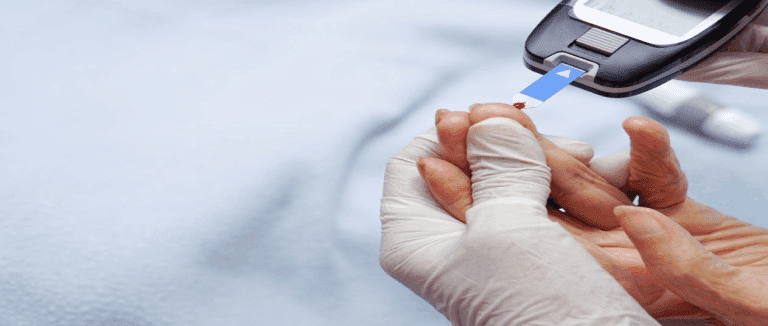
Several tests are used to diagnose type 2 diabetes. These may be done on two different days to confirm the diagnosis, but if your doctor is confident, a single test can be enough. The main tests include:
A1c: Measures your average blood sugar over the past 2″“3 months.
Fasting plasma glucose: Blood sugar is measured after fasting for at least 8 hours.
Oral glucose tolerance test: Blood sugar is measured before and again two hours after consuming a sugary drink.
Your doctor will review the results and determine whether you have type 2 diabetes.
How is Type 2 Diabetes Controlled?
Managing type 2 diabetes can be complex, but adopting a healthy lifestyle can significantly reduce your symptoms and risk of complications. Work with a dietitian to create a medication and meal plan that is right for you. Focus on a diet that limits processed foods and added sugars, and includes plenty of non-starchy vegetables. Regular physical activity, monitoring your blood pressure and cholesterol, and scheduling routine eye and dental check-ups are all essential parts of effective diabetes management.
Home Treatment of Type 2 Diabetes
It’s important to regularly check your feet for swelling, redness, or any unusual changes, and contact your doctor about even minor issues. Getting enough quality sleep is crucial, as insomnia can raise blood sugar levels””speak to your doctor if you have trouble sleeping. Limiting alcohol consumption is also beneficial for managing your overall health with type 2 diabetes.
Use your prescribed medications as directed by your doctor to help control your type 2 diabetes symptoms and manage your blood sugar levels effectively.
Type 2 diabetes medication names can be listed as follows:
- Metformin,
- Sulfonylurea
- Meglitinite
- Insulin
Essential Diet Tips For Type 2 Diabetes
Here are the essential parts of a good eating plan:
- Monitor carbohydrates: Choose complex carbohydrates such as whole grains, beans, and vegetables, as they have a smaller impact on blood sugar levels.
- Practice portion control: Be mindful of portion sizes to help manage both blood sugar and calorie intake.
- Ensure balanced nutrition: Incorporate a variety of lean proteins, healthy fats, and fiber into every meal to boost energy and improve insulin sensitivity.
- Limit sugar and processed foods: Reduce consumption of sugary snacks and processed foods to prevent spikes in blood sugar levels.
If you notice symptoms of type 2 diabetes or believe you may be at risk, protect your health by speaking with a healthcare specialist as soon as possible.
* Liv Hospital Editorial Board has contributed to the publication of this content .
* Contents of this page is for informational purposes only. Please consult your doctor for diagnosis and treatment. The content of this page does not include information on medicinal health care at Liv Hospital .
For more information about our academic and training initiatives, visit Liv Hospital Academy
Frequently Asked Questions
What is the difference between type 1 and type 2 diabetes?
Type 2 diabetes is a chronic condition where the body cannot use insulin effectively, causing high blood sugar levels. It is the most common type of diabetes and can occur at any age.
What are the first signs of Type 2 Diabetes?
Early signs include increased thirst, frequent urination, fatigue, blurred vision, slow-healing wounds, and tingling in the hands or feet.
Can Type 2 Diabetes be cured?
There is no complete cure, but it can be managed effectively through lifestyle changes, medication, and regular monitoring to maintain healthy blood sugar levels.
What foods should be avoided in Type 2 Diabetes?
Limit sugary foods, processed snacks, white bread, fried foods, and sugary drinks. Focus on whole grains, vegetables, and lean proteins instead.
Is Type 2 Diabetes genetic?
Genetics play a role, especially if a close family member has diabetes. However, lifestyle factors like poor diet and inactivity are also major contributors.
How is Type 2 Diabetes treated?
Treatment includes oral medications such as metformin, insulin when necessary, a healthy diet, regular exercise, and weight management.
Can Type 2 Diabetes cause complications?
Yes, if left uncontrolled, it can lead to heart disease, kidney problems, nerve damage, and vision loss. Early diagnosis and consistent care greatly reduce these risks.